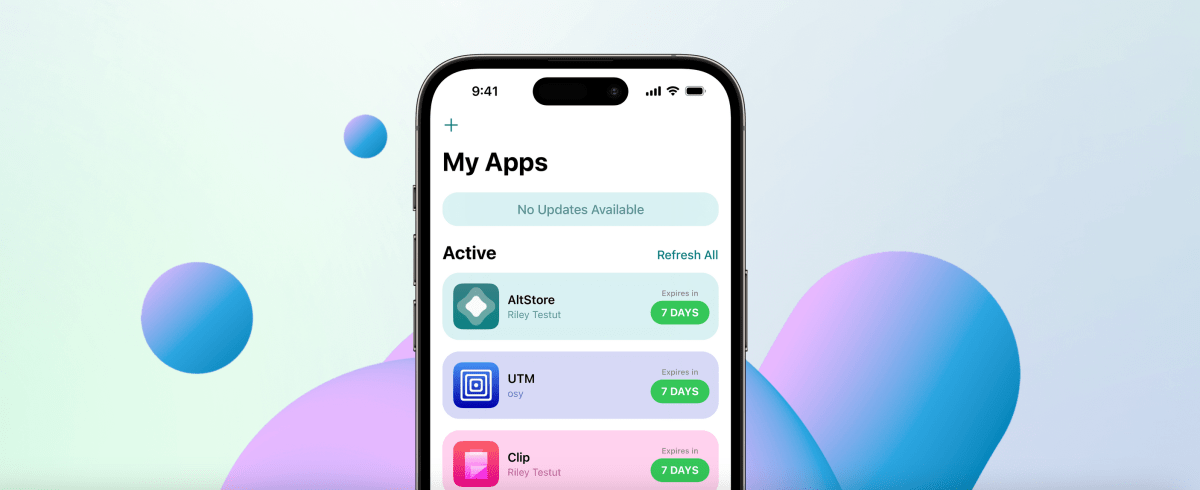
The landscape of app distribution for iPhone users is poised for change in the European Union (EU), as new regulations under the Digital Markets Act (DMA) are set to challenge Apple’s tight control over the App Store. This shift opens doors for alternative app marketplaces, such as AltStore, to provide users and developers more options outside the traditional App Store environment.
AltStore, developed by Riley Testut, stands as a prime example of alternative app ecosystems preparing to leverage this regulatory change. This marketplace intends to offer a fresh take on the app distribution model by including support for Patreon-backed applications, thus creating a novel revenue channel for developers.
The EU’s DMA obliges Apple to allow third-party developers to distribute apps without going through the App Store, leading to the creation of new APIs and frameworks for this purpose. AltStore is among the first to adapt to these changes, with Testut recently highlighting the upcoming version of its app store designed explicitly for the EU market.
What sets AltStore apart is its approach to app monetization. The marketplace plans to incorporate a custom Patreon integration, which enables developers to finance their apps via direct patronage from users. This method is a departure from the traditional means such as advertising, paid downloads, or in-app purchases.
Initially, AltStore will feature two apps at launch within the EU – Delta, a video game emulator offered for free, and Clip, an AltStore-owned clipboard manager accessible through a $1 Patreon pledge. Beta versions of both apps are expected to follow, requiring a $3 monthly pledge. This monetization strategy bypasses the substantial commissions commonly taken by Apple, typically ranging from 15% to 30% of sales.
The new EU rules allow alternative app stores, like AltStore, to pay a €0.50 Core Technology Fee per first annual install after reaching a threshold of 1 million installs, representing a different way to draw revenue from popular apps.
Once the AltStore platform stabilizes, Testut aims to enable other developers to distribute their apps using the same Patreon integration model. This capability provides a fresh business model for apps and offers a more personalized connection between developers and users.
The AltStore’s EU version also promises to be dramatically simpler for consumers to use than the current iteration. Current methods for sideloading apps involve using a computer, entering Apple ID credentials, and frequently refreshing apps, which raises security concerns and can be cumbersome. In contrast, the EU’s AltStore will streamline this process, functioning similarly to the traditional App Store.
The store interface showcases familiar app categories and download options but will include an extra confirmation screen to inform users that updates and purchases will go through AltStore, not Apple. Apps distributed via AltStore will need to be notarized by Apple, meaning only approved .ipa files can be installed.
The launch of the new AltStore is contingent on Apple’s final approval. This forthcoming alternative marketplace signifies a significant step toward diversifying the app distribution landscape and could pave the way for similar platforms in the future.