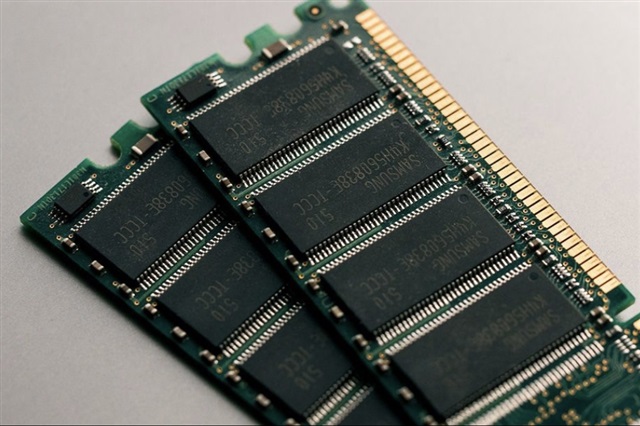
The global memory market is heading into its tightest squeeze in more than ten years, and it’s already showing up in fast-rising prices across the board. DRAM and NAND costs are climbing at a pace the industry hasn’t seen in a long time, while the most in-demand memory for modern computing is being pulled into a single, powerful trend: artificial intelligence.
At the center of the surge is high-bandwidth memory (HBM), the ultra-fast, premium-grade memory that helps fuel today’s AI accelerators and data center workloads. As more companies race to build and expand AI infrastructure, data centers are buying up massive amounts of HBM capacity. That demand doesn’t just affect enterprise hardware—it can ripple through the entire supply chain, tightening availability and pushing pricing pressure onto broader memory categories.
DRAM and NAND are essential components found in everything from laptops and gaming PCs to smartphones, servers, and storage devices. When pricing turns “parabolic,” it usually signals a mix of constrained production capacity, strong demand, and limited near-term flexibility for suppliers to quickly add more output. In a market like this, even small disruptions or sudden demand shifts can lead to outsized jumps in pricing.
For consumers and PC builders, this kind of environment often translates into higher costs for memory upgrades and storage—think RAM kits, SSDs, and other components tied to NAND flash. For manufacturers, it can mean tougher decisions around product pricing, margins, and inventory planning. And for businesses buying servers or expanding cloud infrastructure, it can raise the cost of scaling at a time when computing demand is accelerating.
The bigger picture is clear: AI isn’t just changing software and services—it’s reshaping the hardware economy behind the scenes. With high-bandwidth memory increasingly dedicated to AI data centers and DRAM and NAND prices climbing rapidly, the memory industry is entering a period where supply, demand, and pricing could remain unusually volatile. If the current trajectory continues, the next several months may bring even tighter availability and further price increases across key memory products.