AI Energy Demands Are Pushing Semiconductor Innovation Into a New Era
The rapid growth of artificial intelligence is reshaping the semiconductor industry, and energy efficiency is quickly becoming one of its biggest challenges. As AI models become larger and more complex, the computing power needed to train and run them continues to rise. This surge is placing enormous pressure on data centers, chipmakers, and the entire technology supply chain.
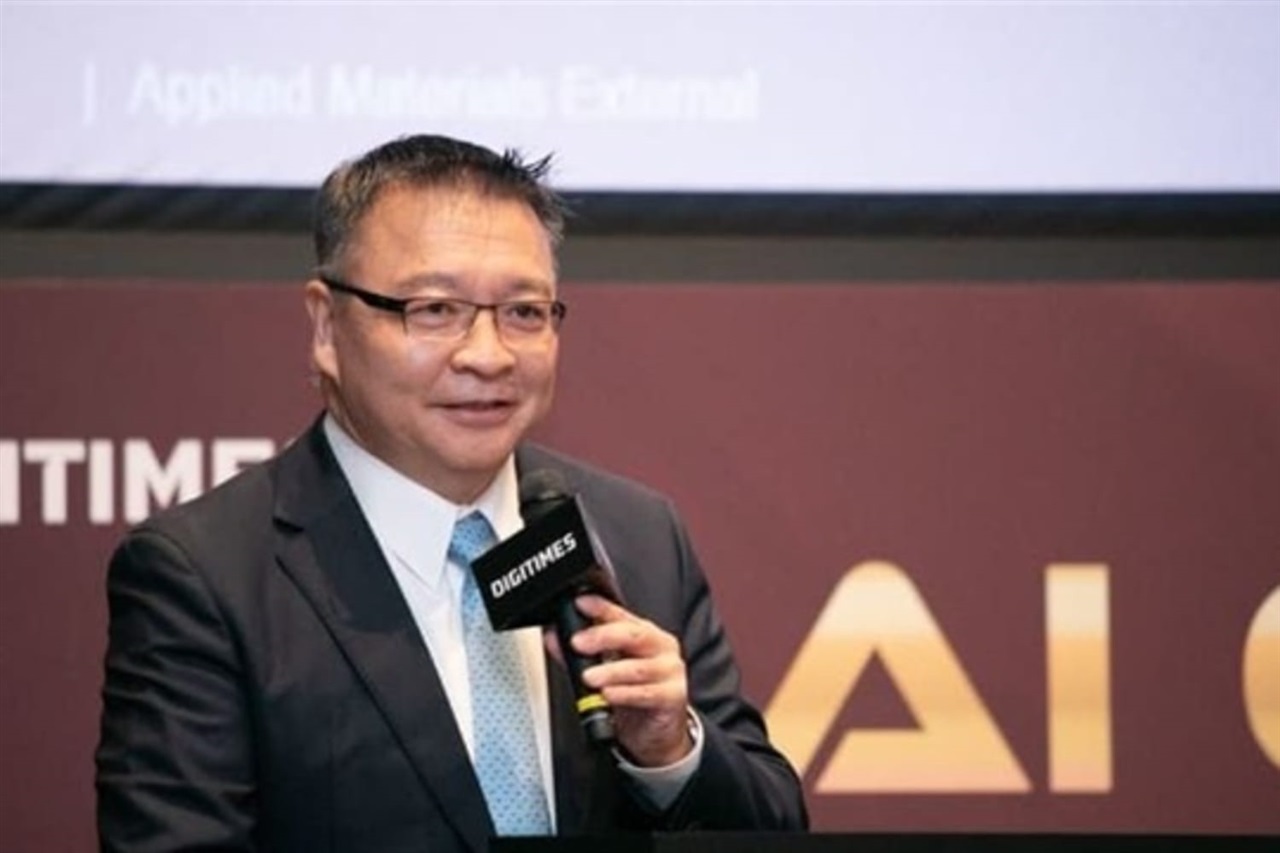
According to Applied Materials group vice president and Taiwan president Eric Yu, the next phase of semiconductor competition will not be defined only by faster chips or higher transistor counts. In the AI era, the real breakthrough will come from delivering more computing power while using less energy.
For years, chip innovation has focused heavily on performance gains. Smaller process nodes, denser transistor designs, and more advanced chip architectures have helped the industry keep up with rising demand. But AI workloads are changing the equation. Training advanced models and running AI services at scale require massive amounts of electricity, making power consumption a central concern for the future of computing.
This shift is turning energy into a major bottleneck for artificial intelligence. If the industry cannot improve efficiency, AI growth could become limited by power availability, cooling requirements, and operating costs. Data centers already consume significant energy, and the expansion of AI infrastructure is expected to increase that demand even further.
As a result, semiconductor materials innovation is becoming more important than ever. New materials, advanced packaging technologies, and improved chip manufacturing processes will play a critical role in reducing power consumption while maintaining strong performance. Instead of relying only on traditional scaling, chipmakers must explore new ways to improve energy efficiency across every layer of the semiconductor stack.
AI chips, including GPUs, accelerators, and custom processors, need to handle enormous data flows with minimal power loss. This creates demand for better interconnects, more efficient memory solutions, and advanced packaging that can bring computing components closer together. Reducing the distance data must travel inside a system can significantly improve both speed and energy efficiency.
The industry is also paying closer attention to power delivery and heat management. As chips become more powerful, managing thermal output becomes increasingly difficult. Better materials can help improve heat dissipation, reduce energy waste, and support stable performance in high-density computing environments.
Taiwan, a key hub in the global semiconductor supply chain, is expected to remain central to this transformation. With its strong ecosystem of chip manufacturing, packaging, and materials expertise, the region is well positioned to support the next generation of AI-focused semiconductor technologies.
The message is clear: the future of AI depends not only on smarter algorithms and more powerful processors, but also on more sustainable computing infrastructure. Energy-efficient semiconductor technology will be essential for supporting the continued expansion of artificial intelligence across industries such as cloud computing, autonomous vehicles, robotics, healthcare, finance, and consumer electronics.
As AI adoption accelerates, the semiconductor industry is entering a new competitive era. The winners will be the companies that can combine high performance with lower energy consumption, enabling more powerful AI systems without overwhelming power grids or driving up operating costs.
The next breakthrough in artificial intelligence may not come only from bigger models or faster chips. It may come from the ability to compute more intelligently, more efficiently, and with far less energy.