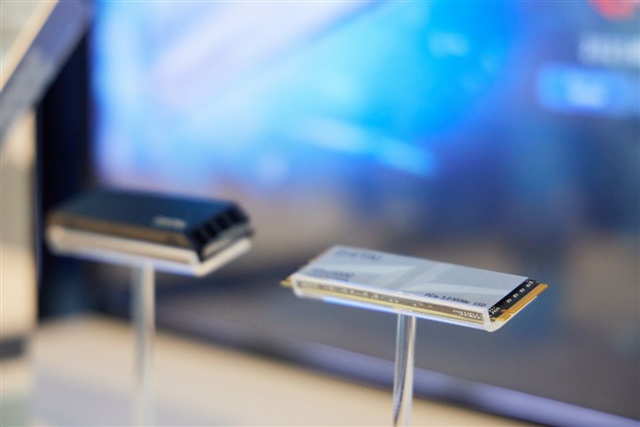
China’s Memory Chip Leaders CXMT and YMTC Move Toward IPOs as AI Demand Surges
China’s semiconductor ambitions are once again drawing major attention as the country’s two leading memory chip companies, CXMT and YMTC, appear to be moving closer to the public markets. Their potential IPO plans come at a time when global demand for memory chips is rising sharply, driven by the rapid growth of artificial intelligence, cloud computing, data centers, and advanced consumer electronics.
CXMT, known for its work in DRAM memory, and YMTC, a key player in NAND flash storage, are among China’s most important semiconductor companies. Their progress is seen as a major indicator of how far China’s domestic chip industry has advanced, especially as memory remains one of the most critical components in modern technology.
The timing could be significant. AI systems require massive amounts of memory and storage to process data, train models, and support high-performance computing workloads. As companies around the world invest heavily in AI infrastructure, demand for advanced memory products continues to climb. This shift is creating new opportunities for memory chipmakers, particularly those that can scale production and improve technology competitiveness.
For China, the possible market debuts of CXMT and YMTC would represent more than just fundraising events. They could help strengthen the country’s semiconductor supply chain, attract new investors, and support long-term research and development. Access to public capital may give both companies more resources to expand manufacturing, improve chip design, and compete in a market dominated by global memory giants.
The memory chip industry is highly competitive and capital-intensive. Building advanced fabrication facilities, developing next-generation memory technologies, and maintaining strong production yields require enormous investment. An IPO could provide CXMT and YMTC with the financial backing needed to accelerate their growth and respond to increasing demand from AI, smartphones, servers, electric vehicles, and smart devices.
Investor interest in China’s chip sector has also been growing as the country continues to prioritize semiconductor self-sufficiency. Memory chips are especially important because they are used across nearly every major technology category. From laptops and smartphones to AI servers and automotive systems, DRAM and NAND flash are essential to performance, speed, and data storage.
However, challenges remain. The global semiconductor market is cyclical, and memory chip prices can fluctuate depending on supply and demand. CXMT and YMTC will also need to continue improving product quality, production capacity, and technological capability to compete with established international rivals. Still, the rising need for AI-related memory could create a favorable environment for their next stage of growth.
If CXMT and YMTC move forward with public listings, it could mark a turning point for China’s memory chip industry. Their progress would signal growing confidence in the domestic semiconductor sector and highlight the increasing importance of memory technology in the AI era.
As artificial intelligence reshapes the global technology landscape, memory chips are becoming more valuable than ever. CXMT and YMTC are now positioned at the center of this shift, and their potential IPOs could place China’s memory industry firmly back in the spotlight.