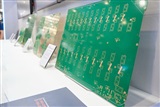
AI Infrastructure Boom Pushes PCB Makers Into a New Growth Era
The global race to build stronger artificial intelligence infrastructure is accelerating, and printed circuit board manufacturers are becoming increasingly important to that expansion. As companies invest heavily in AI servers, advanced data centers, high-speed networking equipment, and optical communication modules, the demand for more powerful and reliable PCBs is rising fast.
PCBs have long been essential components in electronics, but the AI boom is changing their role. Modern AI systems require extreme computing power, faster data transmission, better heat management, and higher signal stability. These requirements are pushing PCB designs to become more complex, more advanced, and more valuable.
AI servers, in particular, are driving a major shift in PCB specifications. Compared with traditional server hardware, AI-focused systems rely on higher-layer boards, improved materials, tighter manufacturing precision, and stronger performance under heavy workloads. This means PCB suppliers are no longer simply competing on volume. Instead, they are moving toward high-end manufacturing, where technical capability and product reliability matter more than ever.
The same trend is being seen in high-speed optical modules, which are critical for moving massive amounts of data between servers and data centers. As AI workloads grow, data traffic increases sharply, creating stronger demand for PCBs that can support faster speeds and lower signal loss. This is helping raise the average selling price of advanced circuit boards and improving their position within the broader electronics supply chain.
For PCB makers in China and Taiwan, this wave of AI-related demand presents a major opportunity. Manufacturers that can meet the strict requirements of AI computing hardware are likely to benefit from stronger orders, better margins, and deeper partnerships with global technology companies. At the same time, competition is expected to intensify as more suppliers race to upgrade production capacity and improve technical standards.
The rise of AI infrastructure is also reshaping how the electronics industry views PCBs. Once seen mainly as a foundational component, PCBs are now becoming a key factor in system performance. As AI hardware continues to evolve, circuit boards must support faster processing, greater energy efficiency, and more advanced system integration.
With investment in AI data centers and computing platforms expected to remain strong, the PCB industry is entering a new phase of growth. Higher technical barriers, rising product prices, and increasing demand for premium components are all helping redefine the value of PCBs in the global technology supply chain.
As artificial intelligence continues to transform industries, the companies behind the hardware foundation are gaining new visibility. For PCB manufacturers capable of delivering advanced, high-performance solutions, the AI boom could mark the beginning of a powerful long-term growth cycle.