AI Demand Puts Silicon Wafers at the Center of the Next Semiconductor Growth Wave
Artificial intelligence is no longer driving demand only for powerful chips. Its impact is now spreading across the entire semiconductor supply chain, raising the importance of the materials and technologies that make advanced computing possible. One of the biggest beneficiaries of this shift is the silicon wafer industry.
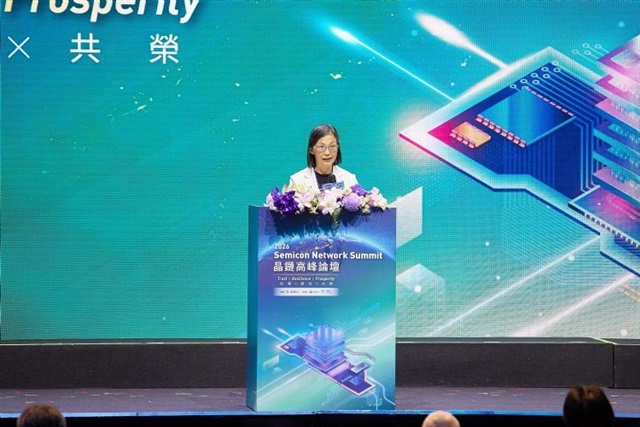
GlobalWafers chair Doris Hsu said the rise of AI is changing how the market views silicon wafers, turning them into a more strategically important part of semiconductor production. As AI workloads continue to expand, chipmakers require more advanced manufacturing processes, stronger supply chain support, and higher-performance materials. That puts wafer suppliers in a critical position as the industry prepares for a new stage of growth.
According to Hsu, the current momentum is not just another short-term recovery after a market downturn. Instead, she described it as the beginning of a broader growth phase powered by multiple long-term trends. AI remains the main driver, but advanced packaging and changes in semiconductor materials are also reshaping demand.
Advanced packaging has become increasingly important as chip designers look for ways to improve performance, efficiency, and density. As traditional chip scaling becomes more complex and costly, packaging technologies are playing a larger role in delivering the computing power needed for AI servers, data centers, high-performance computing systems, and next-generation devices.
This evolution is also creating new opportunities for wafer manufacturers. Silicon wafers are the foundation of chip production, and demand for higher-quality wafers is expected to grow as semiconductor designs become more advanced. The industry is moving toward more specialized applications, where material quality, consistency, and supply reliability matter more than ever.
The AI boom has already pushed demand for processors, accelerators, memory, and networking components. Now, that demand is reaching deeper into the supply chain. Wafer producers are becoming essential partners for chipmakers working to meet the needs of cloud computing, machine learning, autonomous systems, and other AI-driven technologies.
Hsu’s comments highlight a key shift in the semiconductor market: growth is no longer being shaped only by chip sales or consumer electronics cycles. Instead, structural demand from AI infrastructure and advanced manufacturing is creating a more durable outlook for the wafer industry.
As companies continue investing in AI data centers and next-generation semiconductor technologies, silicon wafers are expected to play an increasingly important role. The industry’s future growth will likely depend not only on chip design breakthroughs, but also on the ability of wafer suppliers to support more complex and demanding production requirements.
For the semiconductor sector, this marks a major turning point. AI is not just increasing demand for finished chips; it is redefining the value of the entire supply chain. Silicon wafers, once viewed mainly as a foundational component, are now becoming a strategic pillar of the AI era.


