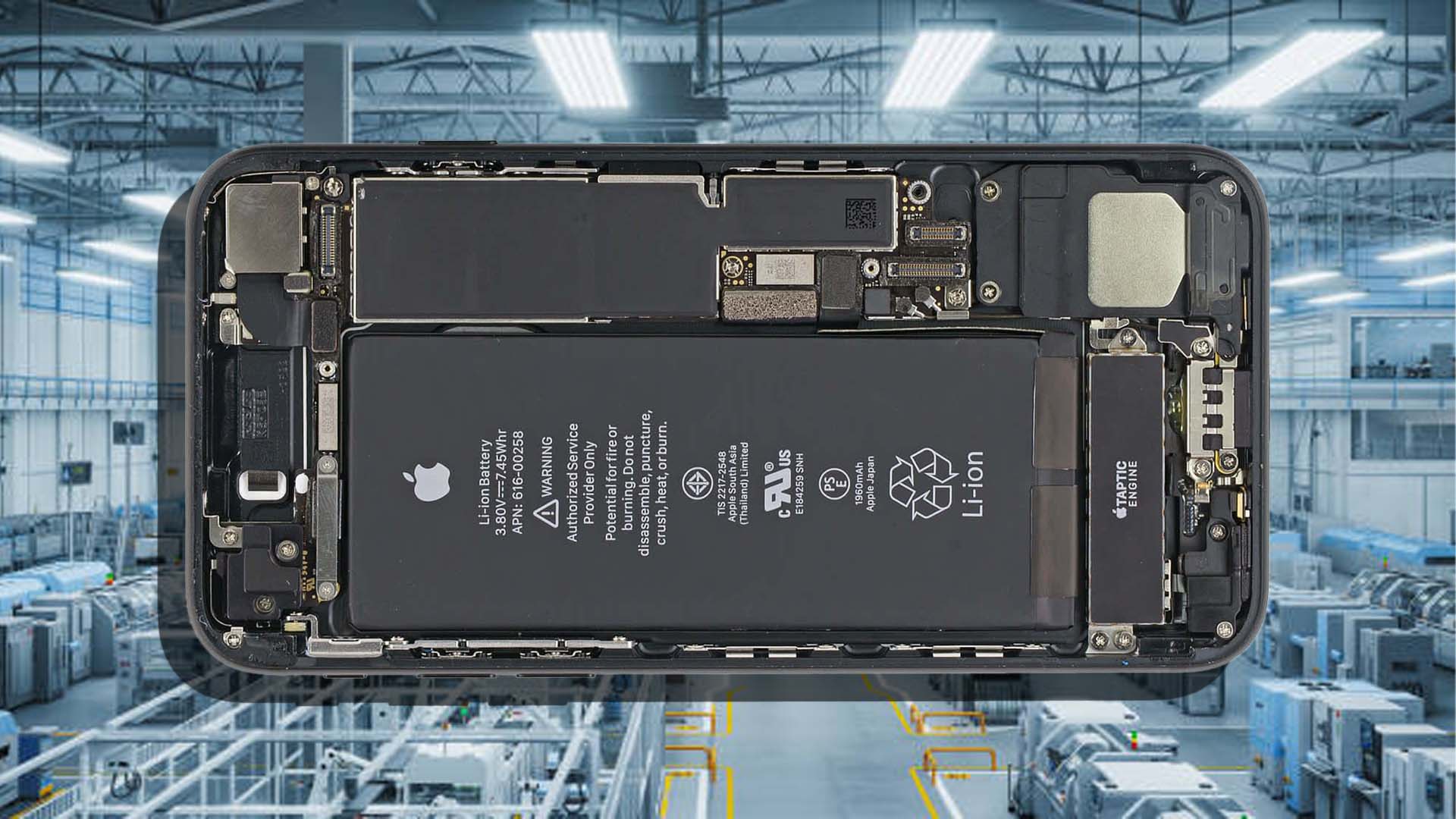
Varta, the 130-year-old German battery manufacturer known for producing tiny cells used in hearing aids, consumer electronics, and Apple AirPods, is facing a major financial crisis after losing a key supply agreement with Apple.
The company has reportedly filed for insolvency following a combination of rising operating costs, aggressive expansion, heavy dependence on a single major customer, and the sudden loss of its AirPods battery contract. The setback has placed one of Germany’s most recognizable battery brands under severe pressure and could lead to further restructuring across the business.
For years, Varta built a strong reputation in the miniature battery market. Its small, high-performance batteries were used in hearing aids and compact electronic devices, giving the company a stable position in a specialized sector. The rapid popularity of Apple’s AirPods appeared to open the door to even greater growth, as demand for wireless earbuds continued to rise worldwide.
To keep up with expected orders, Varta expanded its production capabilities. However, that strategy became a major risk when Apple reportedly ended its battery supply agreement in May. Instead of continuing with Varta, Apple is said to have moved its AirPods battery business to a Chinese supplier.
The impact was immediate. Varta is now expected to close its AirPods battery plant in Nördlingen this fall, with around 350 jobs set to be eliminated. The company currently employs roughly 3,000 people, but further job cuts could follow as it looks for ways to scale down operations, sell parts of the business, and restructure.
Varta’s situation highlights the danger of relying too heavily on one dominant customer. While working with a global technology giant can bring huge order volumes and credibility, it can also leave suppliers vulnerable if contracts are suddenly reduced or canceled. In Varta’s case, the loss of Apple’s business appears to have exposed deeper issues, including costly expansion decisions and pressure from rising expenses.
Apple has long been known for using its size and influence to negotiate extremely favorable supply deals. That approach can help keep production costs low, but it can also place intense pressure on manufacturers that depend on Apple’s orders. Larger suppliers with diversified businesses may be able to absorb the impact, but smaller or more specialized companies can face serious consequences when a major contract disappears.
Varta’s troubles also come at a time when the global battery market is becoming more competitive. Asian suppliers, especially from China, continue to gain ground by offering large-scale production and competitive pricing. For European manufacturers, staying profitable in this environment has become increasingly difficult, especially when energy costs, labor costs, and investment demands continue to climb.
The collapse of Varta’s AirPods battery business is more than just a company-specific problem. It reflects a wider challenge facing traditional manufacturers in Europe as they compete with lower-cost rivals and navigate relationships with powerful technology brands. Innovation, diversification, and financial discipline are becoming essential for survival.
For Varta, the next step will likely involve a painful restructuring process. The company may need to sell assets, reduce its workforce, and focus on areas where it can still compete effectively. Whether the historic German battery maker can recover will depend on how quickly it can stabilize its finances and reduce its dependence on a small number of major customers.
After more than a century in business, Varta’s crisis serves as a clear warning to suppliers across the tech industry: winning a major contract can fuel rapid growth, but relying too much on one customer can turn that success into a serious weakness.