Acer Predator Atlas 8 Debuts as a Powerful Intel Arc G3 Extreme Gaming Handheld
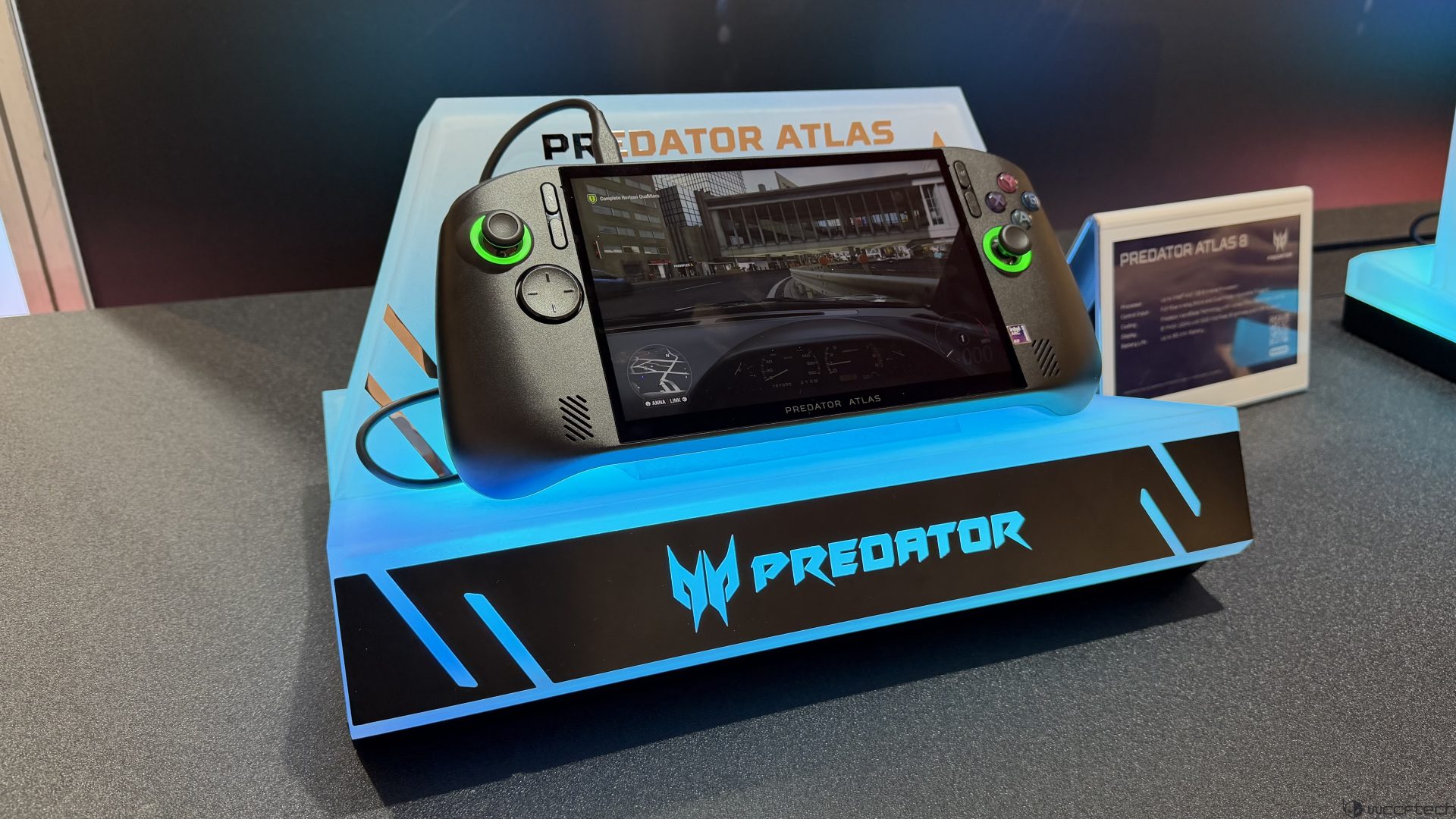
Acer is stepping deeper into the handheld gaming PC market with the Predator Atlas 8, a new portable gaming device built around Intel’s high-end Arc G3 Extreme platform. Designed for players who want PC-level gaming in a compact form factor, the Atlas 8 combines a large fast display, strong graphics hardware, Windows 11 support, and a big battery aimed at extended play sessions.
The biggest highlight is the Intel Arc G3 Extreme chip. Acer is positioning the Predator Atlas 8 as one of the first gaming handhelds to use Intel’s latest top-tier handheld-focused silicon. The platform can be configured with Intel Arc B390 graphics, bringing ray tracing support and Intel XeSS 3 AI-powered upscaling for smoother performance in modern games. With 14 CPU cores and 12 Xe3 GPU cores in the flagship configuration, the handheld is being aimed at serious PC gamers who want more than basic portable performance.
The Predator Atlas 8 features an 8-inch WUXGA touchscreen with a 120 Hz refresh rate and Variable Refresh Rate support. That combination should help deliver smoother gameplay, especially in fast-paced titles where frame pacing matters. The screen also reaches up to 500 nits of brightness, making it suitable for gaming in brighter indoor environments or while traveling.
Acer is also focusing heavily on cooling. The handheld uses Predator AeroBlade cooling with a dual-fan design, including what Acer describes as the first metal fan used in a handheld gaming device. The company says this setup can provide up to 10 percent more airflow, while Vortex Flow tuning helps manage thermals and sustain performance during longer gaming sessions.
The device runs Windows 11 Home, giving players access to a wide range of PC game stores and services. It also supports Xbox Mode and works with Xbox Game Pass, making it easier for users to jump into a large library of games without being locked into a single ecosystem.
For controls, the Predator Atlas 8 includes the expected handheld gaming layout: A, B, X, and Y buttons, a D-pad, full-size left and right analog sticks, bumpers, Hall-effect analog triggers, macro buttons, adjustable trigger switches, a dedicated Xbox Game Bar button, and a PredatorSense button. PredatorSense lets users adjust performance and lighting settings, with Quiet, Balanced, Turbo, and Manual modes available depending on whether they want lower noise, longer battery life, or maximum performance.
Memory and storage options are also competitive. The handheld supports up to 24 GB of LPDDR5x memory running at 7467 MT/s and up to 1 TB of PCIe Gen4 NVMe SSD storage through an M.2 2280 slot. Connectivity includes two Thunderbolt 4 ports, a UHS-II microSD card reader, a 3.5 mm combo audio jack, Intel Killer Wi-Fi 7, and Bluetooth 5.4.
Audio features include two 2 W speakers, dual onboard microphones, DTS:X Ultra, Hi-Res Audio support, and Acer PurifiedVoice. The power button also includes a fingerprint sensor for quicker and more secure login.
Battery capacity is another major selling point. Acer lists the Predator Atlas 8 with up to an 80 Wh battery, which should help it compete with other premium handheld gaming PCs. The device weighs under 810 grams with the 80 Wh battery and under 770 grams with a 60 Wh battery option. Its dimensions are listed at 299 x 127.4 x 28.5/58.37 mm.
Acer has not announced pricing yet, which will likely be one of the most important factors in deciding how attractive the Predator Atlas 8 is compared with other Windows gaming handhelds. The device is expected to reach retail around October 2026.
With its Intel Arc G3 Extreme hardware, 8-inch 120 Hz display, large battery, Windows 11 gaming support, and advanced cooling system, the Acer Predator Atlas 8 looks like a promising new entry in the handheld gaming PC market. The real test will be how well it performs in demanding games, how long the battery lasts under load, and whether Acer can price it competitively.


