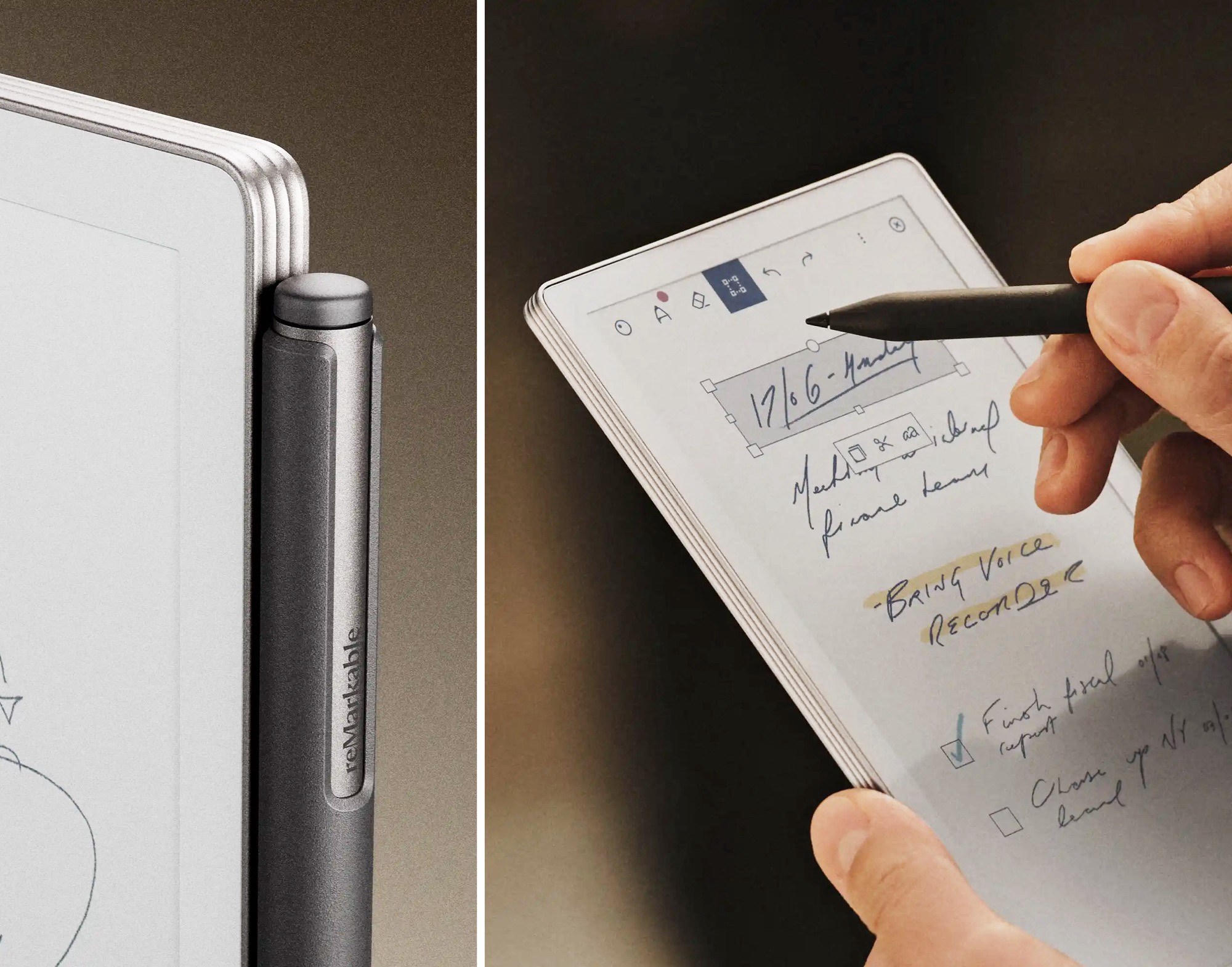
Developer Turns reMarkable Paper Pro Into a Real-Life Tom Riddle’s Diary With AI Handwriting Replies
A creative developer has transformed the reMarkable Paper Pro into something straight out of the Wizarding World: a working version of Tom Riddle’s diary from Harry Potter and the Chamber of Secrets.
The project recreates one of the most memorable effects from the story. A user writes a message on the tablet, the handwriting slowly disappears from the page, and then a response appears in a handwriting-like style, as if the diary itself is answering back.
Unlike the fictional diary, this version is powered by modern software and artificial intelligence. Instead of relying on a prewritten script, the system generates replies dynamically, allowing users to have a back-and-forth conversation simply by writing on the screen.
The build was created by developer Maxime Rivest using the reMarkable Paper Pro’s software development kit. This toolkit allows developers to create apps that run directly on the device, making it possible to experiment with the tablet’s e-ink display, stylus input, and custom rendering features.
To create the disappearing ink illusion, the software captures the handwritten message, removes it from the screen, and then displays an AI-generated reply in a font designed to resemble handwriting. The result feels far more magical than a normal chatbot experience. There are no chat bubbles, no keyboard, and no bright smartphone-style interface. Everything happens through handwriting, which makes the interaction feel closer to the enchanted diary from the Harry Potter books.
The reMarkable Paper Pro is best known as a digital notebook and e-reading tablet, designed for distraction-free writing, sketching, and reading. That is part of what makes this project so interesting. Instead of using the tablet only for notes or documents, Rivest turned it into an interactive storytelling device that blends e-ink technology, stylus input, and AI conversation.
The concept has quickly caught attention among reMarkable users, developers, and Harry Potter fans. Many have praised it as one of the most imaginative uses of the tablet’s hardware and software so far. The e-ink display is especially well suited to the illusion, since its paper-like appearance makes the vanishing and reappearing text feel more natural than it would on a typical LCD or OLED screen.
For now, the AI-powered Tom Riddle diary remains a personal project rather than an official product or app release. There is also no sign that reMarkable was involved in its creation. Still, the project shows how flexible digital paper devices can become when developers push them beyond their original purpose.
It also highlights a growing trend in consumer technology: combining familiar physical interactions, like handwriting, with AI-powered responses. Instead of making users adapt to traditional chatbot interfaces, projects like this make artificial intelligence feel more natural, playful, and immersive.
For Harry Potter fans, it is a clever tribute to one of the series’ most iconic magical objects. For tech enthusiasts, it is a fascinating example of what can happen when e-ink tablets, custom software, and generative AI come together.


