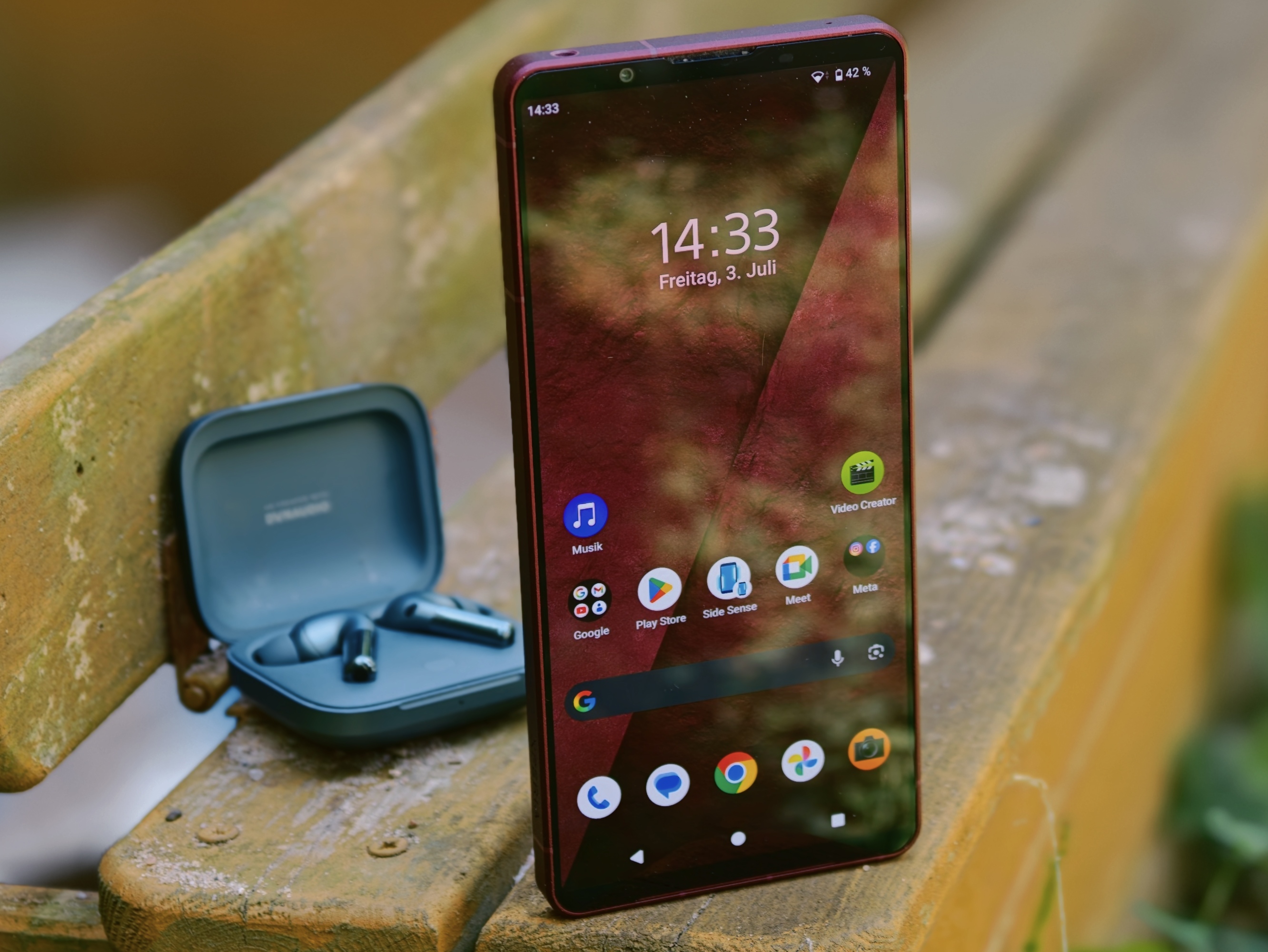
Sony’s Flagship Still Shines in Daily Use, But Its Charging Speed Feels Outdated
Sony continues to build premium smartphones with a clear focus on design, display quality, camera control, and a clean user experience. However, one area where the company still trails far behind many rivals is battery technology, especially when it comes to charging speed.
The latest Sony flagship comes with a 5,000 mAh battery, which is a respectable size for a high-end Android phone. In everyday use, that capacity can still deliver reliable performance, especially for users who value efficient software, media playback, photography, and a lightweight premium device. But when it is time to recharge, the phone begins to show its weakness.
With a maximum wired charging speed of 30 watts, Sony’s flagship takes close to an hour and a half to fully refill its battery. That may have been acceptable a few years ago, but in today’s market, it feels noticeably slow. Many competing smartphones now offer much faster charging, often at similar or even lower prices.
The difference becomes even more obvious when looking back at older rivals. The Xiaomi Mi 10 Ultra, released in 2020, could charge a battery of similar size in under 30 minutes. That comparison highlights how far fast-charging technology has advanced and how conservative Sony remains in this department.
For buyers who frequently top up their phones during busy days, this could be a major drawback. A quick 10- or 15-minute charge can make a big difference, and many modern flagship phones are designed around that convenience. Sony’s slower charging means users may need to plan ahead, especially if they rely heavily on their phone for video recording, gaming, navigation, or mobile photography.
Still, battery and charging numbers do not tell the whole story. Sony’s flagship continues to impress in everyday use for reasons beyond raw charging speed. Its refined software, premium build quality, sharp display, and camera-focused features help it stand out from the crowded flagship market. For users who prioritize reliability, media features, and a more traditional smartphone experience, Sony still has plenty to offer.
The main issue is value. When competitors deliver larger batteries, faster charging, and aggressive pricing, Sony’s 30W charging limit feels difficult to justify in a premium device. The phone may be excellent in many areas, but its charging performance is no longer competitive by current flagship standards.
In short, Sony’s latest flagship remains a compelling choice for fans of the brand and users who care about display quality, camera control, and polished everyday performance. However, anyone looking for the fastest charging phone or the best battery value may find better options elsewhere. Sony has created a phone that still feels premium, but its battery charging technology is one area that badly needs a modern upgrade.