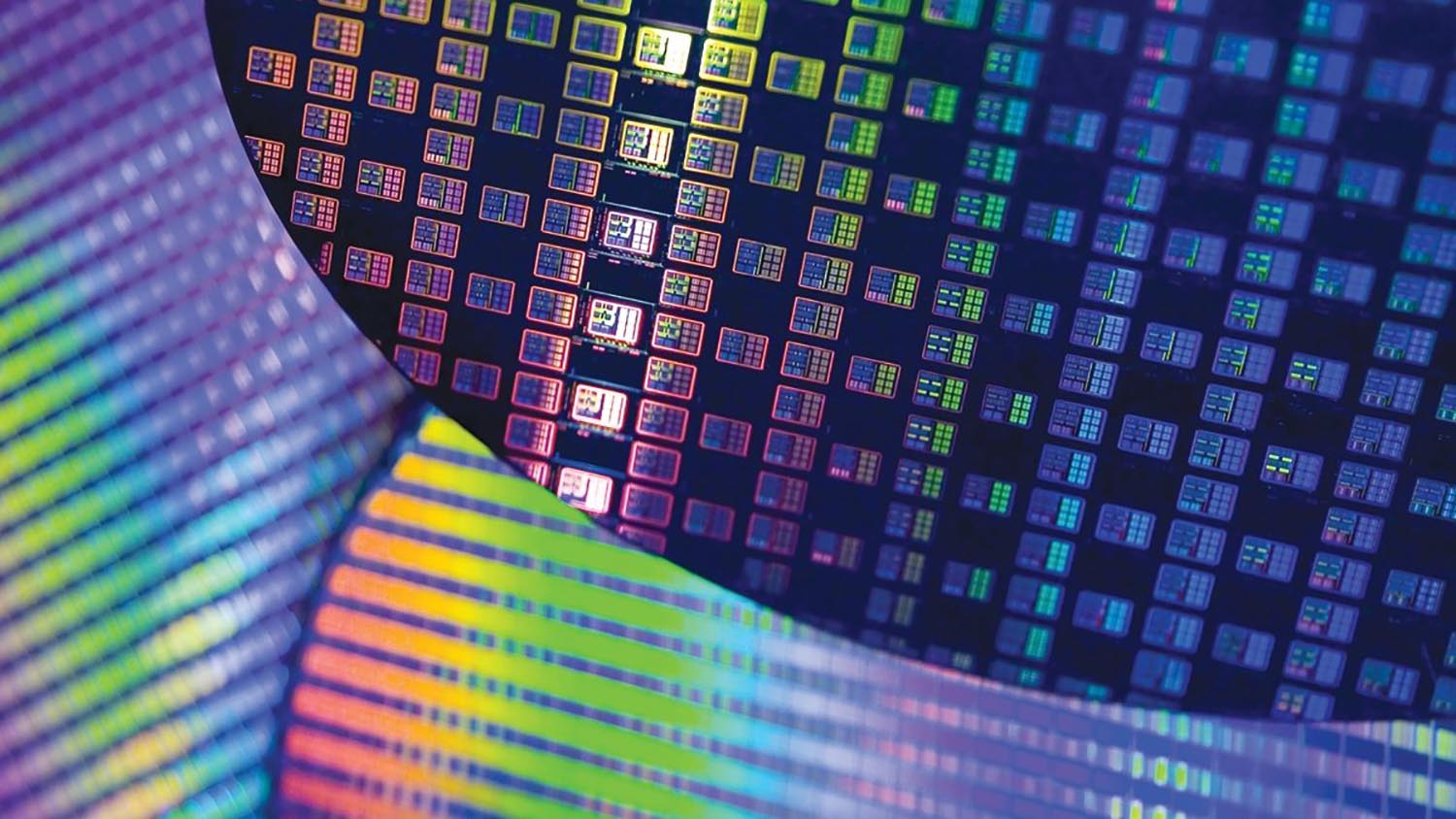
TSMC’s 2nm manufacturing process is shaping up to be a major inflection point for the chip industry—and an expensive one. According to a report from ChinaTimes, the foundry’s next-gen N2 node and its derivatives could come with a significant price jump, with rumors pointing to increases as high as 50%. While this is still unconfirmed and may shift as mass production nears, the direction is clear: advanced semiconductor nodes are getting pricier, and that could ripple through everything from AI accelerators to gaming GPUs and flagship smartphones.
Why costs could surge
– Massive capital expenditure: Building out 2nm capacity requires new equipment, facilities, and process tech, including the transition to gate-all-around transistors. These investments are substantial.
– Yield and pricing power: The report suggests yields are already meeting internal targets, which reduces the need for discounts or aggressive price negotiations early on.
– Demand pivot to HPC: Traditionally, cutting-edge nodes debut in mobile chips. This time, demand appears to be tilting toward high‑performance computing as AI and data center markets explode. Reports indicate a majority of early 2nm customers are focused on HPC, giving TSMC flexibility to hold firm on pricing.
Who’s likely to adopt 2nm early
On the data center and AI side, next-gen platforms such as NVIDIA’s Rubin Ultra and AMD’s Instinct MI450 are rumored to target N2. On the consumer front, speculation points to RTX Rubin GPUs and AMD Zen 6 desktop and mobile CPUs tapping into the same node. If that happens, 2nm adoption could be broader and faster than in previous cycles.
What it could mean for prices
If wafer costs really do climb by 50%, finished products are unlikely to escape the impact. Expect higher baseline prices for:
– Next-gen AI accelerators and data center CPUs/GPUs
– Premium desktop graphics cards and enthusiast-class processors
– Top-tier smartphone SoCs as mobile transitions into the 2nm era
Even if vendors absorb some of the increase, pricing pressure could still show up via smaller die sizes, more aggressive chiplet strategies, or tighter segmentation. Add to that the growing cost and scarcity of advanced packaging for AI and HPC (such as high-bandwidth memory integration), and the total bill of materials for cutting-edge chips could rise sharply.
The bottom line
A sizable price hike for TSMC’s 2nm node would mark a new chapter in semiconductor economics. With the industry’s center of gravity shifting toward HPC and AI, customers that can justify higher capital outlay may take priority. If the rumored 50% increase holds anywhere close to true, it’s reasonable to expect next-gen CPUs and GPUs—along with top-end mobile devices—to become more expensive. As always, treat these figures as provisional until TSMC’s N2 ramps into full commercial production, but plan for a pricier path to the bleeding edge.