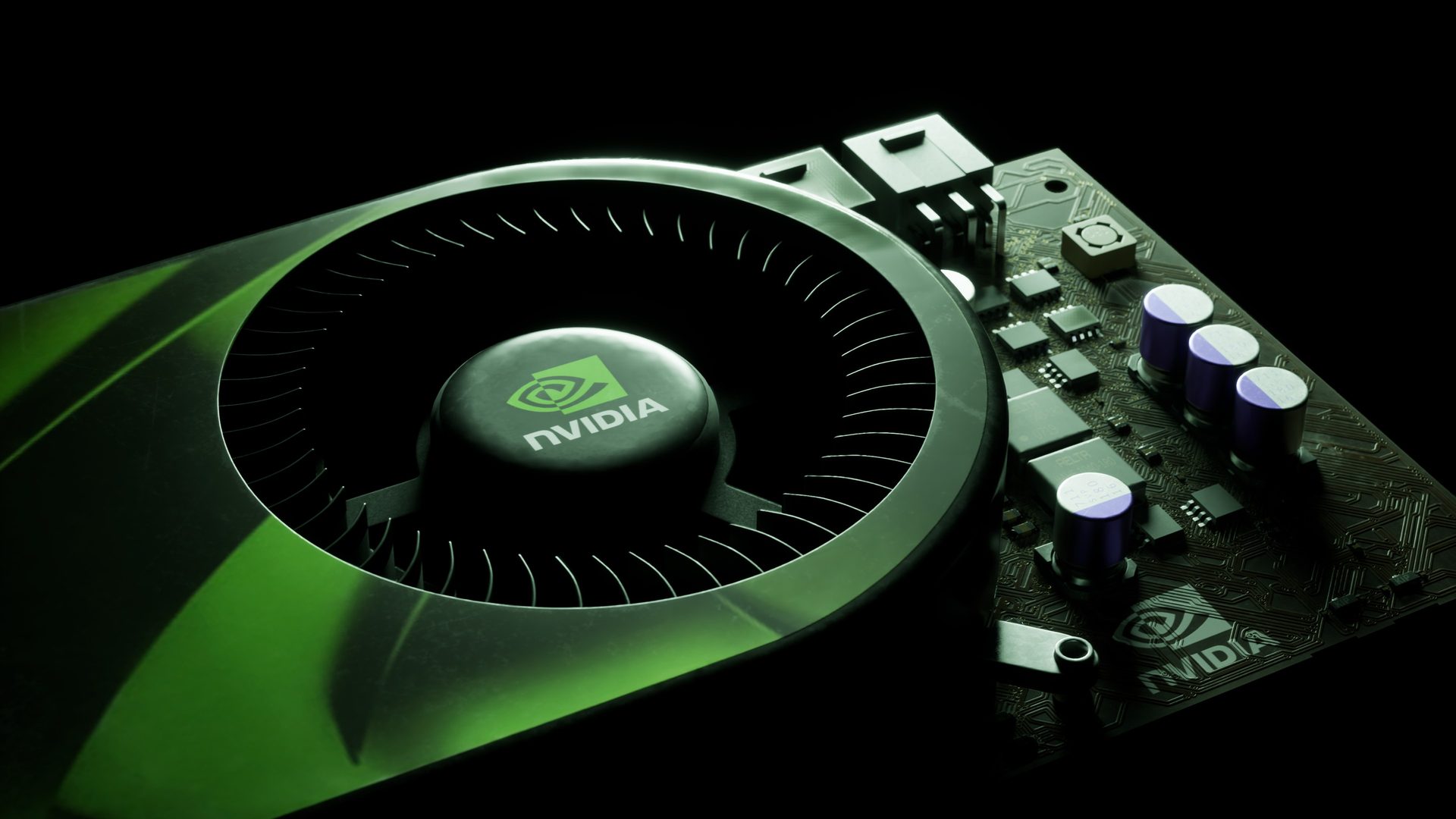
NVIDIA GeForce 8800 GTX Turns 20: The GPU That Changed PC Gaming, CUDA, and the Future of AI
Twenty years ago, NVIDIA released a graphics card that did far more than make games look better. The GeForce 8800 GTX, launched on November 8, 2006, became one of the most important GPUs in PC hardware history. It arrived at a time when the graphics market was highly competitive, and it helped push NVIDIA into a new era of dominance by introducing technology that would shape not only gaming, but also accelerated computing and modern artificial intelligence.
For many PC gamers, the GeForce 8800 GTX is remembered as a dream upgrade. It was expensive, powerful, and ahead of its time. More importantly, it was the first NVIDIA graphics card to support CUDA, a computing architecture that allowed GPUs to move beyond traditional graphics rendering. What started as a major leap for gaming would eventually become the foundation for GPU-accelerated workloads, professional visualization, scientific computing, machine learning, and today’s AI revolution.
When the GeForce 8800 GTX arrived, the PC gaming landscape was entering a golden era. Titles such as Crysis, BioShock, and Company of Heroes pushed hardware harder than ever before. Gamers wanted higher resolutions, smoother frame rates, and more advanced visual effects, and the 8800 GTX delivered performance that felt truly next-generation.
Built on NVIDIA’s Tesla architecture and powered by the G80 GPU, the GeForce 8800 GTX was manufactured on a 90nm process and featured 128 unified stream processors. At the time, this was a major shift in GPU design. Instead of using separate hardware units for different shader tasks, the unified architecture allowed the GPU to handle workloads more flexibly and efficiently.
The card operated at a 576 MHz core clock and came equipped with 768 MB of GDDR3 memory on a wide 384-bit memory bus. That gave it 86.4 GB/s of memory bandwidth, which was extremely impressive in 2006. It also carried a 155W power rating and required two 6-pin power connectors, making it a serious piece of enthusiast hardware for its day.
Its launch price was $599, a premium figure at the time, but the performance justified the attention it received. The GeForce 8800 GTX quickly became one of the most desirable graphics cards on the market because it could run demanding games at playable frame rates without forcing players to drastically reduce visual quality.
The GeForce 8800 GTX also introduced support for DirectX 10 and Shader Model 4.0, making it a key graphics card for the Windows Vista era. While driver support ended long ago, the card remains popular among retro PC builders and collectors who want to recreate the experience of mid-2000s gaming.
The true legacy of the 8800 GTX, however, goes far beyond frame rates. Its CUDA-capable design marked the beginning of a new approach to computing. CUDA, short for Compute Unified Device Architecture, allowed developers to use the parallel processing power of the GPU for tasks that were not strictly related to gaming or graphics.
That idea was revolutionary. GPUs were no longer just devices for drawing pixels on a screen. They could process massive amounts of data in parallel, making them ideal for workloads that needed high throughput. Over time, this concept became essential to video rendering, simulations, data science, neural networks, and AI training. Today’s most advanced AI systems rely heavily on the same basic principle: using powerful GPUs to accelerate complex calculations.
Looking at the GeForce 8800 GTX next to a modern flagship GPU shows just how far the industry has come. NVIDIA’s GeForce RTX 5090, for example, represents an enormous generational leap. Compared with the 8800 GTX, it features tens of thousands of CUDA cores, vastly higher clock speeds, far more memory, much greater bandwidth, dedicated ray tracing hardware, and specialized AI acceleration through Tensor Cores.
The numbers are staggering. The 8800 GTX had 128 CUDA-capable cores, while a modern high-end GPU can feature more than 20,000 CUDA cores. The 8800 GTX offered 768 MB of video memory, while newer flagship cards can provide 32 GB or more. Memory bandwidth has climbed from 86.4 GB/s to well over 1 TB/s. Raw FP32 compute performance has increased from a fraction of a teraflop to more than 100 teraflops.
Yet despite those massive improvements, the GeForce 8800 GTX still holds a special place in PC gaming history because it helped establish the path that modern GPUs continue to follow.
To celebrate the 20th anniversary of the GeForce 8800 GTX, NVIDIA released an interactive Steam demo titled GeForce 8800 GTX – 20 Years of a Legend. Created by Unreal Engine artist Dylan Browne, the demo is designed as a nostalgic tribute to the 2006 PC gaming era.
Instead of simply showing the graphics card as a static model, the experience places players inside a retro gaming room filled with throwbacks from the mid-2000s. Users can unbox, inspect, and install the legendary GPU while discovering details that celebrate the hardware and gaming culture of that period.
The demo also uses modern RTX technologies to highlight how far graphics have evolved since the days of the 8800 GTX. It includes features such as path tracing, DLSS 4.5 Ray Reconstruction, Dynamic Multi Frame Generation, and RTX Mega Geometry. The contrast is intentional: players are revisiting a classic piece of hardware through the lens of today’s most advanced rendering techniques.
The room includes references to classic NVIDIA tech demos, older graphics cards such as the TNT2, GeForce 2, and GeForce 6800 Ultra, the original GeForce 8800 GTX box design, an NVIDIA nForce 680i motherboard, and nostalgic PC details from the Windows Vista era, including the famous startup sound. There are also magazines, hardware boxes, and other small touches meant to recreate the atmosphere of a 2006 gaming setup.
For longtime PC enthusiasts, the demo is more than a simple anniversary project. It is a reminder of a period when graphics technology was advancing rapidly and every new GPU generation felt like a major leap. The mid-2000s were an exciting time for PC gaming, with new APIs, new engines, and new hardware pushing visual quality forward at a fast pace.
Today, the graphics card industry is more advanced than ever, but it is also more complicated. Modern GPUs are incredibly powerful, supporting real-time ray tracing, AI-enhanced upscaling, frame generation, professional creation tools, and high-end gaming at resolutions that were unimaginable in 2006. At the same time, many PC gamers face high prices, supply challenges, and expensive upgrade paths.
That contrast makes the GeForce 8800 GTX anniversary feel especially meaningful. It represents a time when a single graphics card could redefine expectations and open the door to an entirely new computing future. What began as a high-end gaming GPU became a milestone in the development of CUDA, accelerated computing, and the AI-driven technologies that dominate the industry today.
Two decades later, the NVIDIA GeForce 8800 GTX remains one of the most legendary graphics cards ever released. It was not just a fast GPU for its time. It was a turning point for PC gaming, a foundation for modern GPU computing, and an early step toward the AI-powered world we now live in.