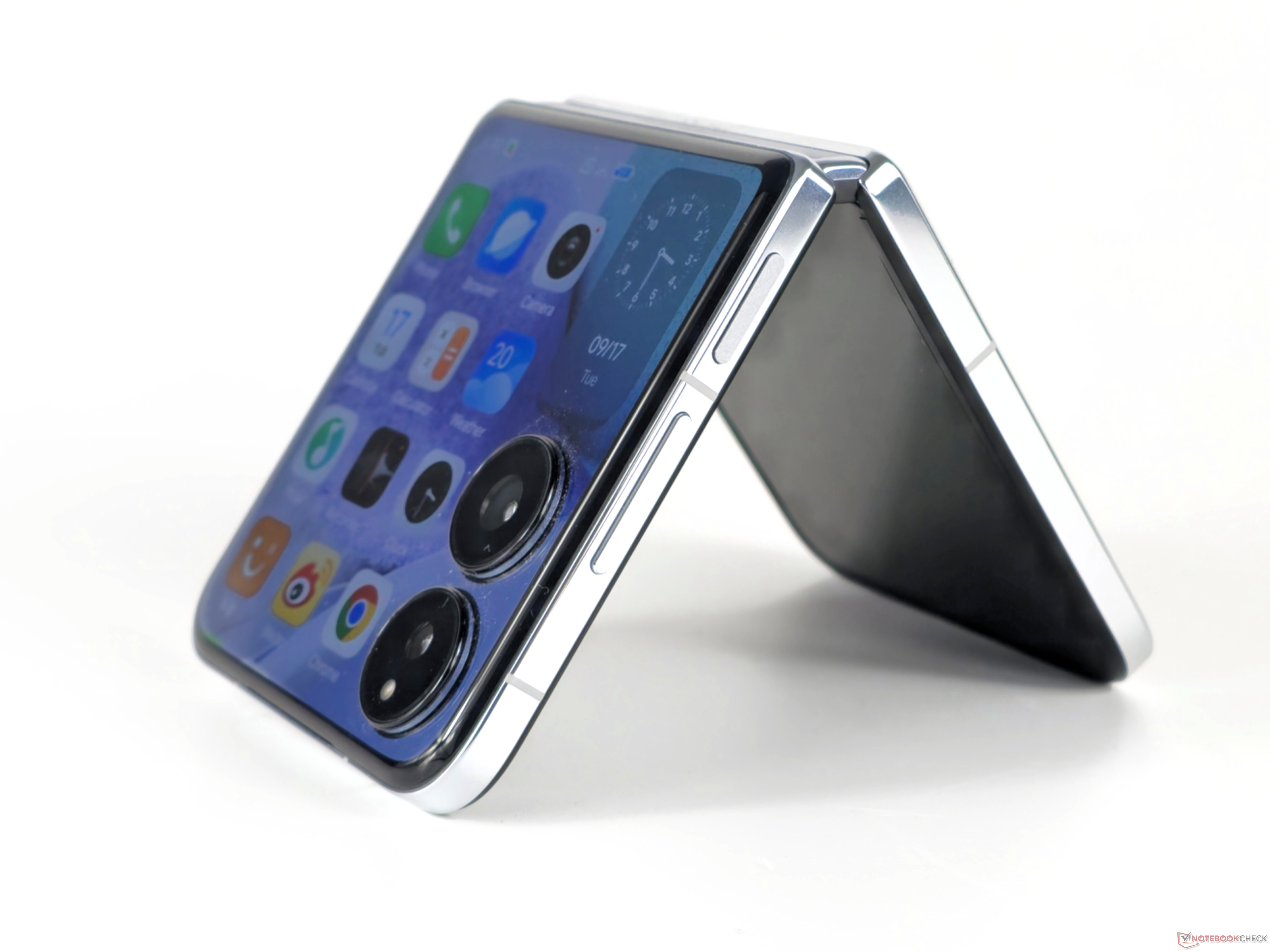
The Xiaomi Mix Flip presents itself as a formidable contender to the Galaxy Z Flip6, garnering attention with its impressive OLED displays and unique features. While the Mix Flip demonstrates potential and leads in several aspects compared to its Samsung counterpart, it reveals certain areas of improvement that could be addressed in future iterations, such as the Mix Flip 2.
On paper, the Mix Flip shines brightly, offering advanced specifications that outpace the Galaxy Z Flip6 in many respects. Despite these promising features, our thorough testing has identified a few shortcomings. For instance, the Mix Flip’s camera setup feels somewhat incomplete. The device is equipped with a 50-MP telephoto camera with a 47 mm focal length but omits an ultrawide angle lens. This exclusion affects the camera’s versatility, especially during zoomed-in shots where digital enhancements can make images appear slightly artificial and lacking in detail. In comparison, the Galaxy Z Flip6, even without a dedicated telephoto lens, manages to deliver more detailed images at 5x zoom.
Another point of concern is the main 50-MP camera’s performance in low-light conditions. While it performs better than the Honor Magic V Flip, it still falls short of the Galaxy Z Flip6’s capabilities, which uses an ISOCELL GN3 sensor of a similar size to capture sharper and more detailed night shots.
Currently, the Xiaomi Mix Flip is only available in China, priced around $960 for imports. However, global availability seems likely in the future. As for software support, Xiaomi’s current flagship series enjoys four years of Android updates and five years of security patches. It is reasonable to expect that the Mix series will follow a similar update policy. Nevertheless, the Galaxy Z Flip6 boasts a more extended update period, offering a total of seven years of support.
In terms of connectivity, the Mix Flip supports the latest WiFi 7 standard with MU-MIMO, although it only operates on the 2.4 and 5 GHz bands, unlike the Galaxy Z Flip6, which supports WiFi 6E and includes the 6 GHz band. Despite this, the Mix Flip delivers higher transfer rates in our tests.
One of the standout features of the Xiaomi Mix Flip is its nearly bezel-less 4.01-inch secondary display, which boasts a 120 Hz refresh rate, enhancing the user experience significantly. There are other areas where the Mix Flip outperforms the Galaxy Z Flip6, making it a strong competitor in the market.
In summary, while the Xiaomi Mix Flip shows great promise with its standout features and specifications, there are areas where it could improve, particularly concerning camera versatility and low-light performance. As it stands, it is a worthy alternative to the Galaxy Z Flip6, with a bright future ahead if the noted enhancements are addressed in subsequent models.


