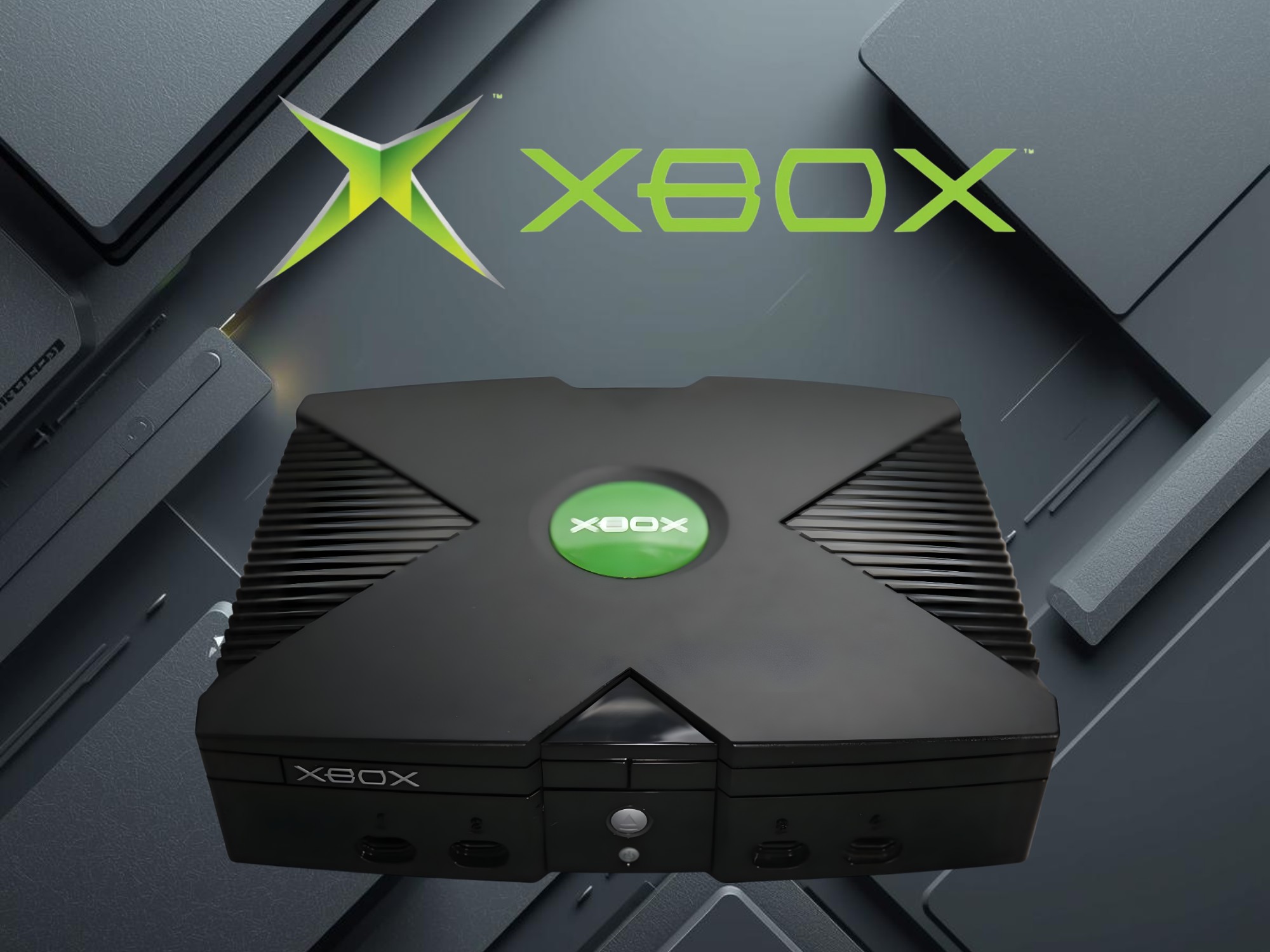
Seamus Blackley, one of the key creators behind the original Xbox console, is sounding the alarm about where he believes Microsoft is taking the Xbox brand next. In his view, the recent leadership shift inside Microsoft Gaming isn’t a reset back to what made Xbox special. Instead, he predicts it’s a sign the company is preparing to phase Xbox out slowly as Microsoft doubles down on artificial intelligence as its main priority.
Blackley’s concern centers on Microsoft’s massive AI push under CEO Satya Nadella. He argues that when a company commits this heavily to AI as a core business, everything else starts to look like a side project. From his perspective, Xbox isn’t being openly shut down, but it could be put on a path where it matters less and less over time—gradually “sunsetted” while the company’s resources and attention shift toward AI-led initiatives. He even frames the new Microsoft Gaming CEO role as potentially being more about easing Xbox into a quieter future than rebuilding it into a stronger gaming-first brand.
The appointment of Asha Sharma is a major part of why Blackley thinks this way. He points to her professional background, which he says is rooted in AI rather than traditional game development and publishing. To him, that matters because the games business doesn’t operate like most tech sectors: it’s not only about engineering and platforms, but also about creative leadership, studio culture, long production cycles, and the unpredictable nature of what audiences will love. Blackley suggests that outsiders—especially those approaching gaming as a purely technical problem—often underestimate how hard it is to consistently deliver great games and manage studios successfully.
His comments also tap into a broader industry debate: whether generative AI will replace human creators. Some critics worry that publishers will lean on AI tools to reduce costs, cutting back on developers, artists, writers, and other creative roles. Blackley strongly doubts that machine learning can truly reproduce human-made art in a way that matches the originality and emotional impact of games crafted by people. He also questions why Microsoft would move away from a proven business model in gaming for an AI-first strategy that hasn’t yet demonstrated it can create better games—or even games that players actually want.
At the same time, Blackley acknowledges a hard truth: Xbox has spent years struggling to match the consistent momentum of Nintendo and PlayStation using the conventional console-and-exclusives formula. That competitive pressure may be part of what’s driving Microsoft to rethink the role of Xbox in its wider business, especially if leadership believes AI is where the company’s next era of growth truly resides.
Still, there are signals that Microsoft Gaming’s new leadership may not be ready to abandon Xbox hardware and traditional games outright. Sharma has stated she doesn’t want to “flood” the ecosystem with low-effort AI content and has spoken about a renewed commitment to Xbox that begins with the console. Those comments suggest she understands how important first-party hardware and quality games are to the brand’s identity.
Even so, skepticism remains high among gamers after years of shifting strategies. Rumors about the next Xbox point to a device that could feel closer to a Windows-based gaming PC, and some fans fear the platform could move further away from the console identity that helped Xbox stand out. If that happens—especially alongside fewer true exclusives—many players may see it as another step toward Xbox becoming less of a distinct gaming platform and more of a service or broader ecosystem.
Whether Blackley’s prediction proves accurate or not, his message is clear: if Microsoft treats AI as the center of everything, Xbox could someday become just one of many AI-driven initiatives rather than a gaming-first brand. For fans, the biggest question is whether the next phase of Xbox will strengthen what made it matter—great hardware, standout games, and a clear identity—or whether it will gradually fade as Microsoft’s AI ambitions take over.