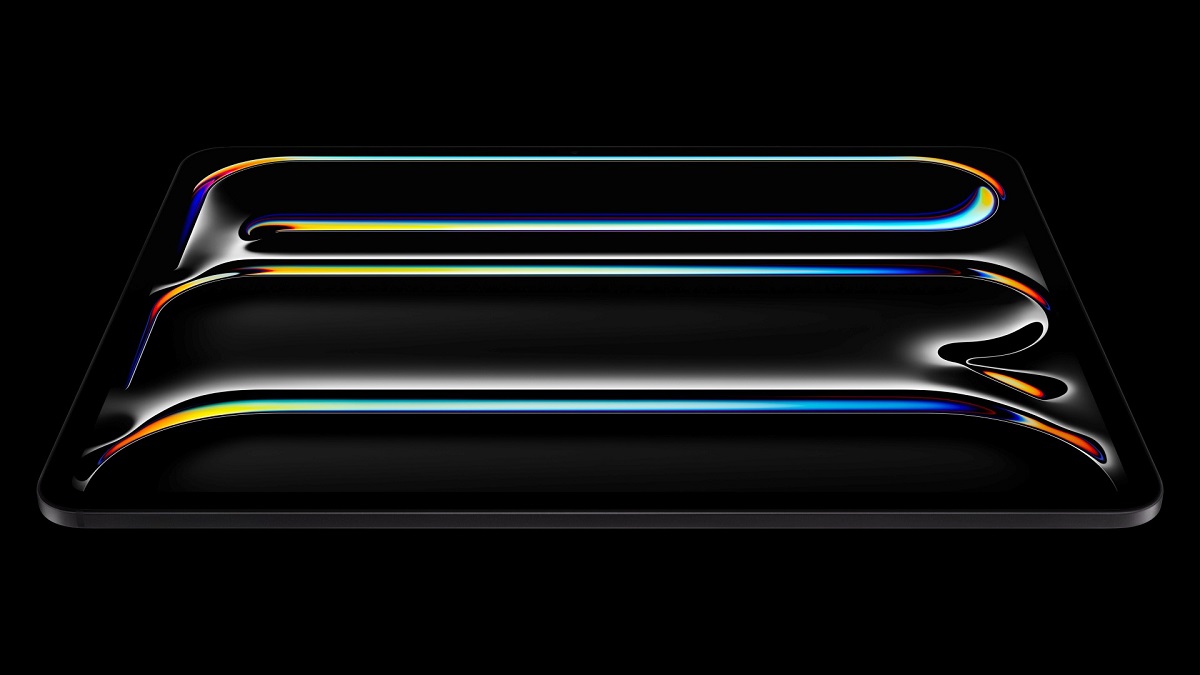
Recent findings have indicated a significant pattern among Apple product users. iPad owners tend to keep their devices for extended periods, often stretching beyond three years, in contrast to iPhone users who are more prone to frequent upgrades. This phenomenon has become more pronounced with the introduction of updated iPad Pros powered by M4 chips.
The latest study, which encompasses a twelve-month period leading up to March 2024, shows that a significant 67% of iPad users either keep their tablets for prolonged use or pass them on to family members. Conversely, iPhone owners exhibit less attachment to their devices.
The data suggests that even when iPad users upgrade their devices, they often find alternative uses for their outdated models. This is a stark departure from iPhone users who are typically quick to embrace the latest models. A possible explanation for this disparity is the higher trade-in value of iPhones, which offers a financial incentive for users to upgrade regularly. In contrast, iPads have a considerably lower resale value, discouraging trade-ins. Only a small fraction of iPad customers—less than 10%—take advantage of trade-in offers.
The primary motivation for an iPad user to upgrade seems rooted in necessity—whether the device has been stolen, lost, or damaged. In the case of iPhones, however, nearly half of the owners are prompted by trade-in value or the allure of new features that come with the most recent models.
This pronounced difference also suggests that iPads may require fewer replacements driven by need, as opposed to iPhones. The loyalty observed among iPad users may be a reflection of the device’s enduring value to its user base, leading them to find alternative uses or pass their iPads on rather than seeking the latest release.
Understanding these consumer behaviors could offer insights for potential buyers and current owners of Apple products. For iPads, it signals a durable investment that can serve various purposes beyond its intended lifespan. iPhone enthusiasts, on the other hand, can expect to capitalize on frequent updates and trade-ins driven by technological advancements and market demand.
In summary, the longer retention of iPads compared to iPhones is influenced by lower trade-in values and consumer habits rooted in necessity and device versatility. These factors paint a picture of a product that is cherished for its longevity and adaptability in the hands of its users.