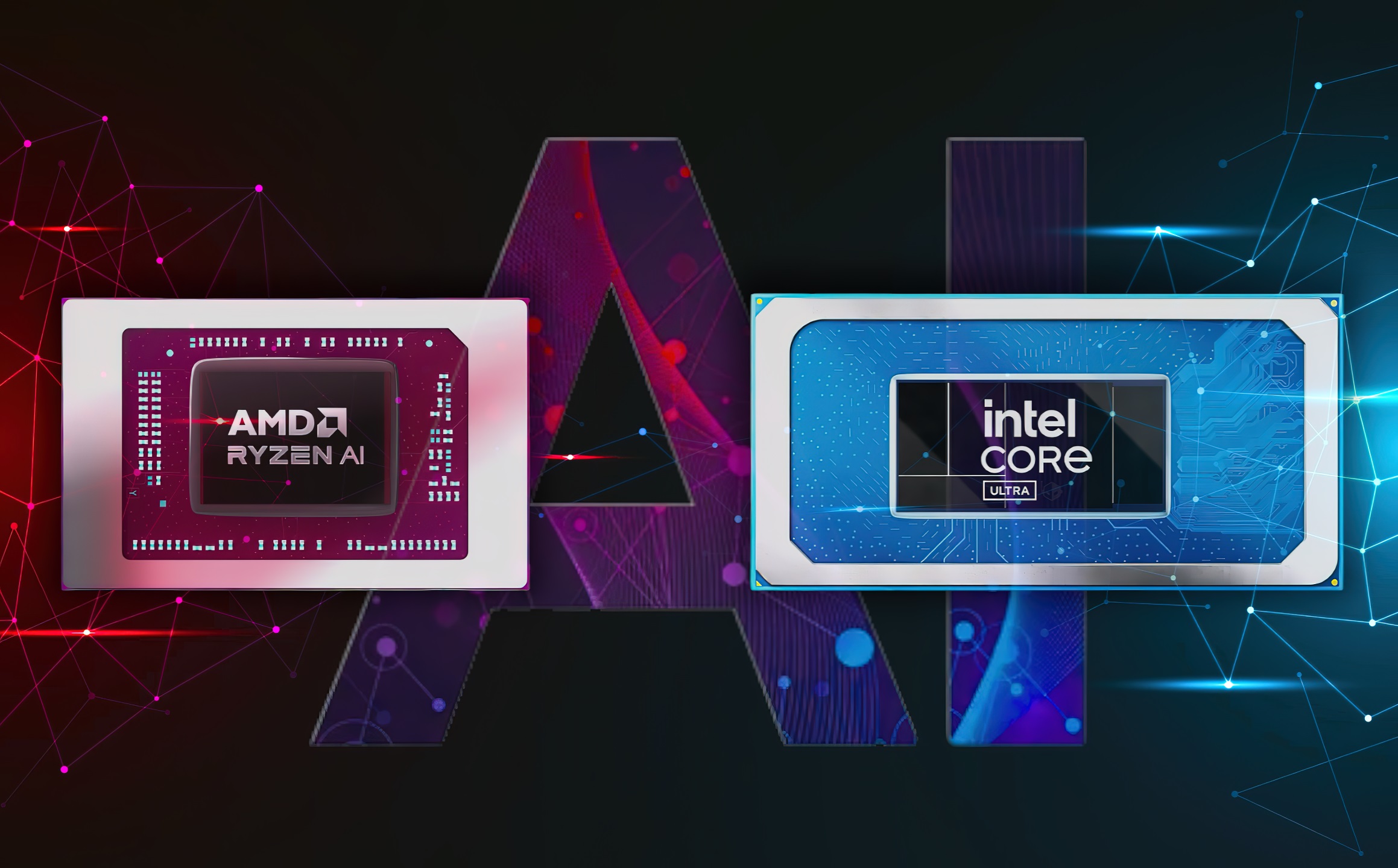
The world of laptop CPUs is set to witness a dynamic evolution with incoming chips from Intel and AMD. Let’s dig into when these cutting-edge processors are expected to hit the market and what they have in store for users.
Intel’s Forward-Looking Laptop CPU Lineup
Intel is gearing up to upgrade its high-end HX series with the Arrow Lake-HX family. Scheduled for a release around the end of 2024 to early 2025, these CPUs are looking at a potential unveiling at CES 2025. Arrow Lake-HX processors will pack up to 8 Lion Cove P-Cores and 16 Skymont E-Cores, mirroring the desktop variants. While launching initially with a 50W power envelope, Intel hints at a refresh come CES 2026 with advanced specs and added AI capabilities.
Stepping into the mainstream, the Arrow Lake-H and Arrow Lake-U are also on the horizon, with both lineups likely to make their debut around the same time as their HX counterparts. The Arrow Lake-H series will be refreshed shortly after their introduction. Positioned with 28-45W TDPs, and the U series at 15W, they’ll be compatible with previous-gen Meteor Lake sockets. However, Panther Lake will introduce a new pin configuration. Anticipated around CES 2026, these chips mark Intel’s advancements with the 18A process node, which is expected to be ready for mass production in the first half of 2025.
We can’t forget the thin and light segment where Intel’s Lunar Lake “Core Ultra 200V” chips, poised in 17W configurations, are expected to enter the market in Q3 of this year.
Intel Mobility CPU Overview:
Intel’s mobility CPU catalog spans from Alder Lake, with Intel 7 process node, through to Panther Lake on the Intel 18A. This progression will also see changes in CPU architecture from hybrid dual-core to hybrid designs, and GPU tile process nodes from Intel 7 to TSMC’s sub-5nm.
AMD’s Counter Strategy with Fire Range and Strix CPUs
AMD has intriguing plans for 2025, particularly with its Fire Range CPU family which will embrace the AMD Zen 5 core architecture. These models plan to maintain a 16-core configuration with X3D variants heightened by 3D V-Cache, enhancing gaming performance.
On the other hand, the Strix family unveils Strix Halo chips featuring 16 Zen 5 cores and Strix Point, recently termed the Ryzen AI 300 series, with 12 cores and robust TOPs.
AMD Ryzen Mobility Details:
AMD has a comprehensive range featuring everything from Dragon Range to the anticipated Strix Point Halo. Each family has its characteristics, from process nodes ranging from 14nm to 5nm to different GPU architectures like RDNA 2 and 3. TDPs vary accordingly, accommodating various power requirements across the spectrum.
The Strix Point CPUs are rumored for release as soon as July 2024, with subsequent models to follow in alignment with CLEVO’s reported timeline. Variants ranging from 8 to 16 cores and embracing new architecture adaptations like Zen 5 and Zen 5C will bring significant improvements to the mobile CPU space.
Anticipated CPU Launches Through The Years
Over the next few years, enthusiasts can look forward to Alder Lake-HX, Raptor Lake-HX, Phoenix, and more as high-end offerings. Mainstream markets will be served by a breadth of U-series chips across the Alder Lake, Phoenix, and Meteor Lake families, with the low-power segment energized by Lunar Lake-M.
These revelations underscore the technology race between Intel and AMD, highlighting their commitment to innovation in the laptop CPU sphere. As these processors move from conception to reality, advancements in power, efficiency, and performance are poised to redefine mobile computing.