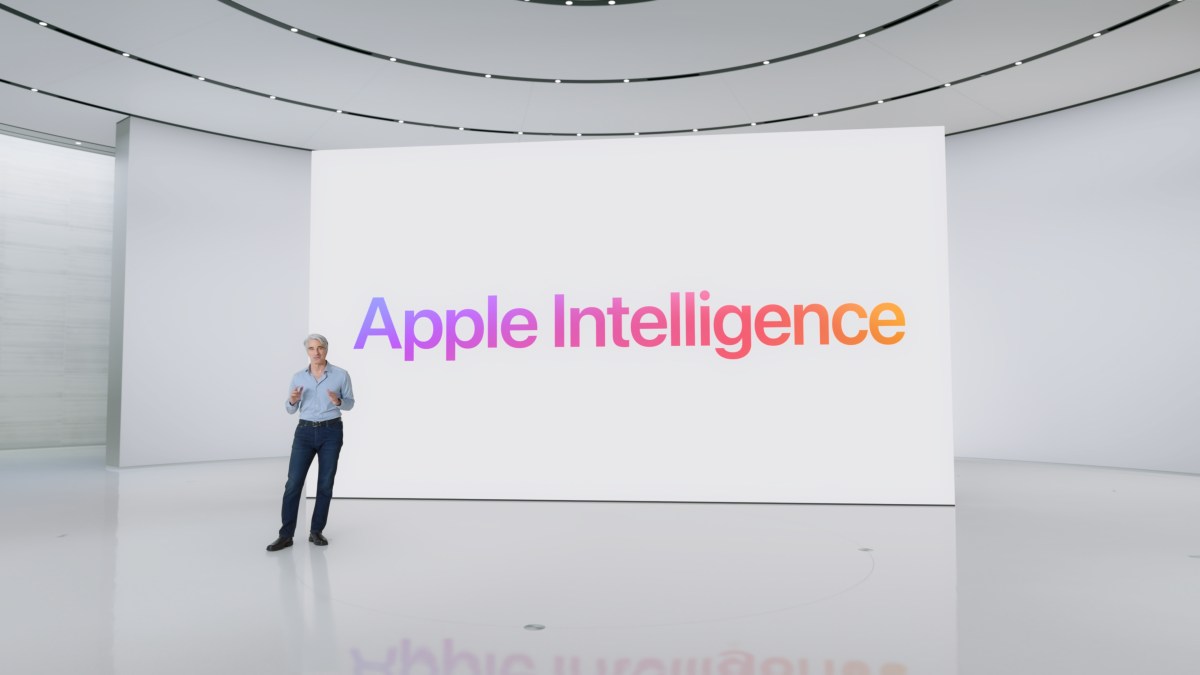
After months of speculation, Apple finally unveiled its new platform, Apple Intelligence, at the WWDC 2024 event this past June. Amid a flood of generative AI developments from tech giants like Google and Open AI, many wondered if Apple had fallen behind on the latest technological wave. However, Apple has proven them wrong by revealing its unique approach to artificial intelligence.
Apple Intelligence isn’t about creating a separate product; instead, it’s about enhancing existing services with AI capabilities. This strategic integration aims to subtly weave AI into the apps and features we already use. Far from being a flashy new gadget, it serves functionality with flair in typical Apple style.
Revealed further during the iPhone 16 event on September 9, Apple showcased AI-powered features such as translation on the Apple Watch Series 10, visual search on iPhones, and a host of Siri enhancements. The rollout of Apple Intelligence begins at the end of October with updates to iOS 18.1, iPadOS 18.1, and macOS Sequoia 15.1. Additional features are expected in subsequent updates.
Initially, the AI features will be available in U.S. English, with other English dialects following soon. Support for additional languages including French, German, and Spanish is scheduled for 2025, although users in China and the EU might face some regulatory delays.
Apple’s tagline for Apple Intelligence, “AI for the rest of us,” reflects its willingness to harness AI’s text and image-generating capabilities to augment their services. The platform uses large language models (LLMs) to help users draft messages, proofread, summarize long texts, and more. The integration of customizable, AI-generated emojis, or “Genmojis,” and the standalone “Image Playground” app point to Apple’s creative applications of AI.
One of the platform’s most significant upgrades is to Siri, Apple’s long-standing assistant that has lately been overshadowed by rivals. Siri no longer relies solely on a voice command; an iridescent light around the iPhone screen now indicates activation. Siri’s smarter integration means it understands context better than ever, allowing for practically seamless task execution across apps.
The initial access to Apple Intelligence includes iPhone 16 models, certain iPads, and Mac computers. Notably, the iPhone 15 Pro models will also support it, thanks to their advanced chipsets. The package is offered for free across selected devices.
Apple’s approach to AI involves training smaller, specific models rather than using vast datasets. This bespoke approach reduces resource demands, allowing many tasks to run directly on devices. However, complex tasks engage the Private Cloud Compute, where operations occur on Apple’s remote servers while maintaining user privacy.
A strategic partnership with OpenAI enriches Apple Intelligence. The collaboration allows Siri to leverage external resources when more extensive knowledge is needed, like cooking recipes or travel plans. Users will be able to activate this feature with prompts designed to access ChatGPT, alongside Apple’s native AI tools.
Looking ahead, Apple is anticipated to form partnerships with additional AI services. Google Gemini might be next in line, positioning Apple Intelligence to further expand its AI-enhanced offerings.
As Apple blends style and functionality with cutting-edge AI, users are set to experience more intuitive technology seamlessly woven into their daily lives.


