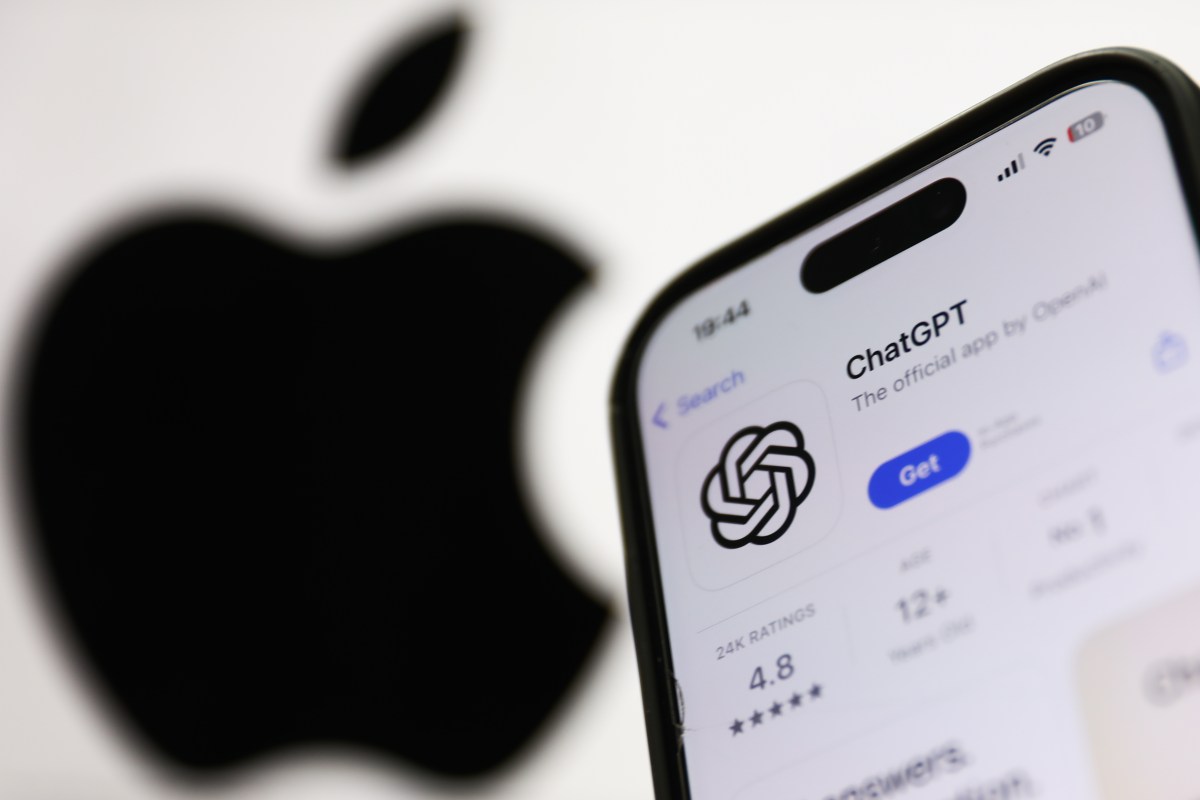
Apple has seamlessly integrated OpenAI’s ChatGPT into its latest operating systems: iOS 18, iPadOS 18, and macOS Sequoia. Users now have the option to experience ChatGPT with or without logging into a ChatGPT account. However, using an account unlocks more advanced AI models and features like saving conversation history.
For those choosing the more anonymous route—using ChatGPT without an account—OpenAI assures users of privacy. They do not collect IP addresses, store user requests, or use these requests for AI training purposes. Conversations without an account are processed securely to provide responses in compliance with legal standards.
If you opt to continue a conversation begun via Apple’s integration later on the ChatGPT app or website, OpenAI will handle your data according to its standard privacy policy. This includes using tools to track interactions, gauging browser types, time zones, and device information.
On the other hand, connecting through a ChatGPT account while using Apple’s integration adheres closely to your existing preferences. For those who have chosen to save conversations, any dialogue with ChatGPT via Apple will also be available in your ChatGPT account history for later access. Moreover, if you’ve specified that your conversations not be used to train AI models, OpenAI respects this setting across all your interactions, including those through Apple.
Upon linking your ChatGPT account, Apple’s integration will display some account details on your device. This information includes your name, email, profile image, workspace names, and billing plan— all facilitating a seamless user experience.
This collaborative innovation between Apple and OpenAI promises ease of use while prioritizing privacy and user preferences, inviting users to explore AI capabilities in an environment that balances functionality with security.