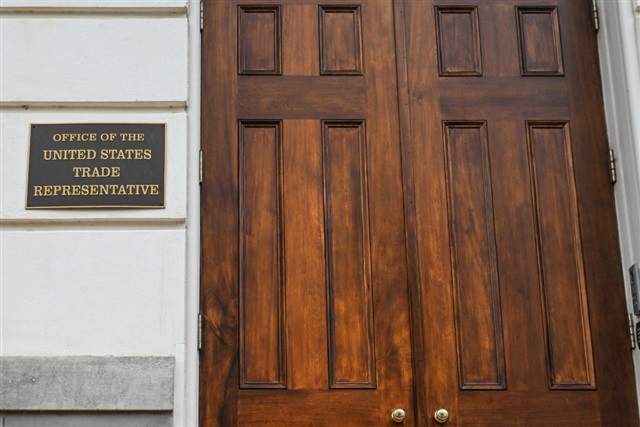
The United States is ramping up scrutiny of global manufacturing practices, as the Office of the US Trade Representative (USTR) has announced the launch of new investigations under Section 301(b) of the Trade Act of 1974. The move signals a tougher stance on what US officials describe as “structural excess capacity” and production policies across multiple economies—an issue that has become a major flashpoint in international trade.
These Section 301 investigations will take a close look at the acts, policies, and practices tied to manufacturing sectors in the targeted economies. According to the USTR’s announcement, the central question is whether these measures are “unreasonable or discriminatory” and whether they place a burden on, restrict, or otherwise harm US commerce.
Section 301 is a powerful trade enforcement tool. It allows the US government to investigate trade practices it believes are unfair and, depending on the findings, can open the door to potential responses designed to protect American businesses and workers. While the investigations themselves are fact-finding and evaluative, they often draw intense attention because of what could follow if the US determines that certain policies are damaging to US trade interests.
At the heart of the probes is the idea of structural excess capacity—when production levels in certain industries significantly outpace demand, often sustained by policy decisions that can keep output high even when market signals suggest otherwise. For US manufacturers and exporters, that can translate into tougher competition, pricing pressure, and reduced market opportunities.
For now, the USTR is beginning the formal process of assessing the relevant policies and their trade impact. Businesses involved in manufacturing, supply chains, and cross-border trade will be watching closely, as the outcomes could influence trade conditions, market dynamics, and the broader direction of US trade enforcement in the months ahead.