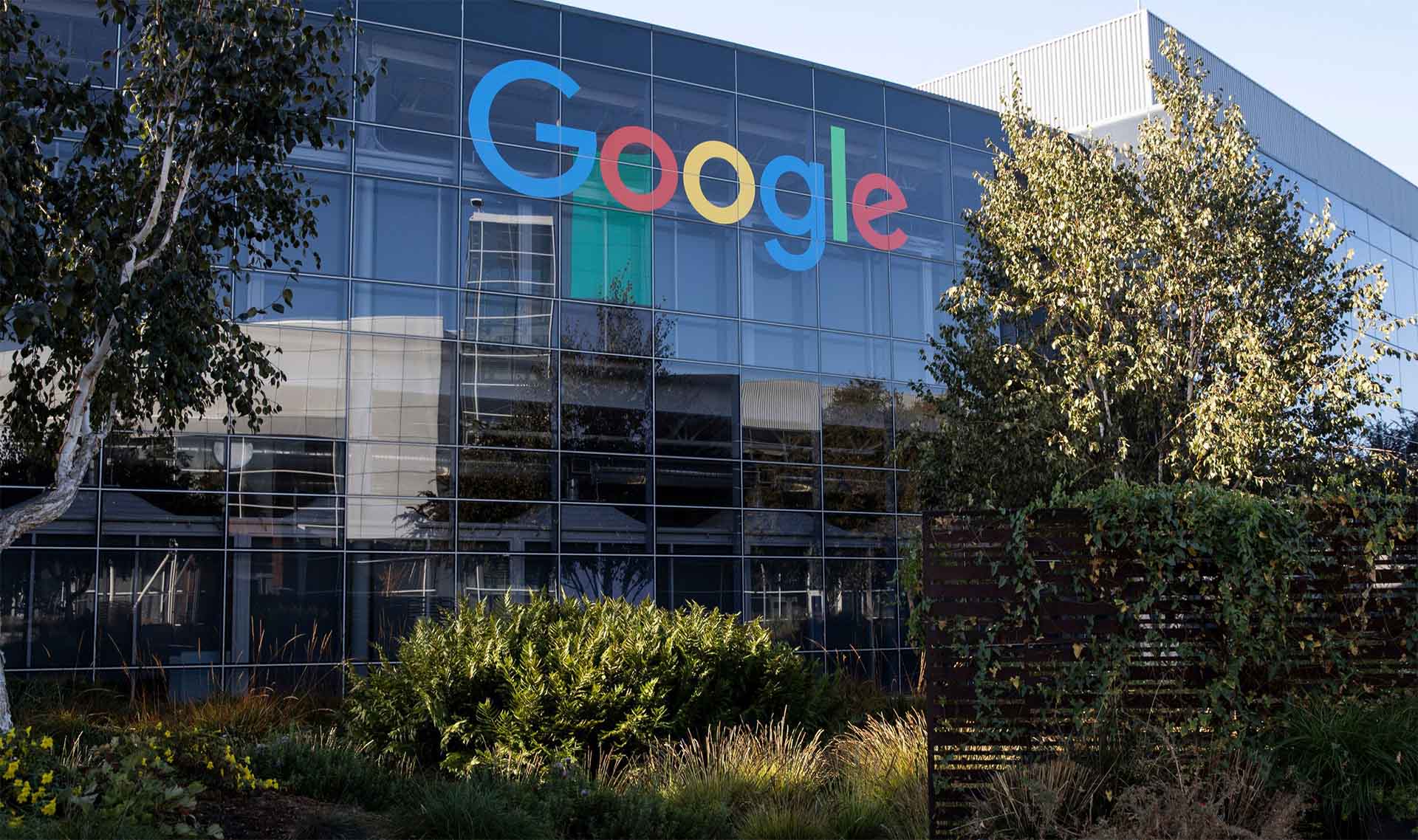
A recent ruling by Judge Amit Mehta has put technology giant Google in the spotlight, as it has been labeled an illegal monopoly. The decision comes as a result of Google’s extensive spending to maintain its dominance and hinder competition within the industry, thus violating antitrust law. This has sparked a significant response from the U.S. Department of Justice, which is now considering various strategies to reduce Google’s grip on the tech market.
In the wake of this ruling, sources have revealed to Bloomberg that the Department of Justice is contemplating a number of drastic measures. Among these, the option of breaking Google into smaller, independent companies stands out as a potential approach to dismantling the tech firm’s influence. This could be a significant step towards addressing the broader issue of Big Tech’s control over the market.
However, the authorities are not limiting themselves to such extreme measures. Other considerations include mandating Google to allow access to its data for competitors, aiming to level the playing field and prevent Google from leveraging its search engine dominance unfairly. These plans aim to curb Google’s competitive advantage in various AI products, which has been amplified by its broad search engine reach.
Beyond search and AI, Google’s Android operating system is another focus for the DOJ, with discussions around divesting the platform taking place. The DOJ is also contemplating enforcing the sale of AdWords, Google’s search advertising program, and possibly the divestment of the Chrome web browser.
It is important to note that Google is not the only tech entity to come under scrutiny for anti-competitive behavior. Other tech giants, such as Meta, Amazon, and Apple, have previously been criticized by antitrust watchdogs for allegedly monopolizing the market.
Historically, Microsoft had its own legal tussles with the DOJ back in 2004 over claims that the company was coercing Windows computer users to adopt its Internet Explorer browser. Fast forward to the present, court documents have surfaced revealing that Google has been paying Apple billions to remain the default search engine on its devices. In 2021, Apple reportedly earned $26 billion from this arrangement. Notwithstanding this financial bond, Apple executive Eddy Cue has expressed that there is no real alternative to Google’s search engine and has suggested that no monetary offer from Microsoft could persuade Apple to end this lucrative agreement.
As these discussions and legal proceedings unfold, it’s clear that the landscape of the tech industry may be on the cusp of significant change, driven by the pursuit of fair competition and the mitigation of monopolistic practices.