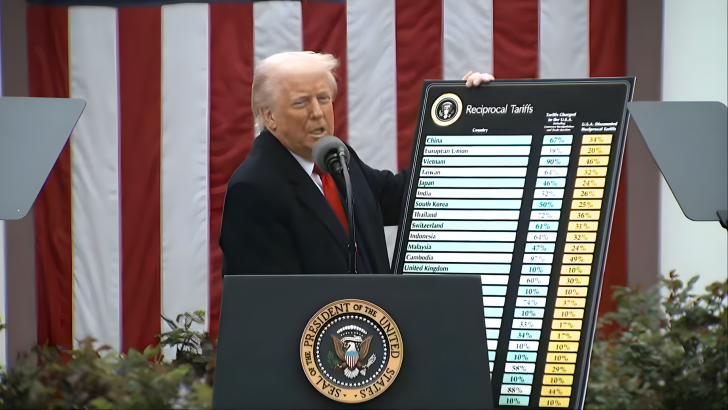
The latest trade policies introduced by Trump have stirred quite a conversation, especially among chipmakers. While intended to boost domestic production, these policies may not have the intended effect of enticing chip manufacturers to flock to the US. The main hurdle lies in the skyrocketing costs of equipment that companies will face when setting up shop in America.
For offshore companies such as TSMC, venturing into US manufacturing poses several challenges. The industry still grapples with issues like a less mature market, steeper operating expenses, and fluctuating government policies. Although one of Trump’s objectives with these tariffs is to rejuvenate the US manufacturing sector, the reality is that the increased costs might deter international interest. SemiAnalysis indicates that producing advanced technology nodes in the US could be 32% more expensive than in Taiwan, inevitably leading to pricier US-made chips.
The procurement of vital equipment has become costlier, largely due to the tariffs that have come into effect. For instance, obtaining cutting-edge machinery like Extreme Ultraviolet (EUV) scanners can now cost up to 15% more. This scenario paints a challenging picture for any ambitious plans to position the US as a leading chip production hub. As costs potentially trickle down to the consumer level, wafer prices might surge, making Taiwan a more cost-effective option even after factoring in tariffs.
However, there is a silver lining for some domestic companies. Intel Foundry, for example, could find these tariffs advantageous. With competitors like Apple and NVIDIA potentially facing steeper costs when sourcing from TSMC’s US facilities, Intel’s American-made chips could emerge as the more economical choice. But given the current pace of technological advancements within Intel Foundry, the reality remains that companies might still resort to expensive imports if they choose US manufacturing, underscoring a complex and uncertain future for the US chip industry.
Trump has also hinted at pressuring TSMC to expand its operations in the US by threatening them with hefty tariffs. While this move might appear promising, the new trade policies introduce further ambiguity about the administration’s long-term goals. As geopolitical tensions weave into supply chain dynamics, consumers should brace themselves for potential increases in costs down the line. The path forward for the US chip industry remains fraught with challenges, yet domestic players may find unexpected opportunities amidst the turbulence.