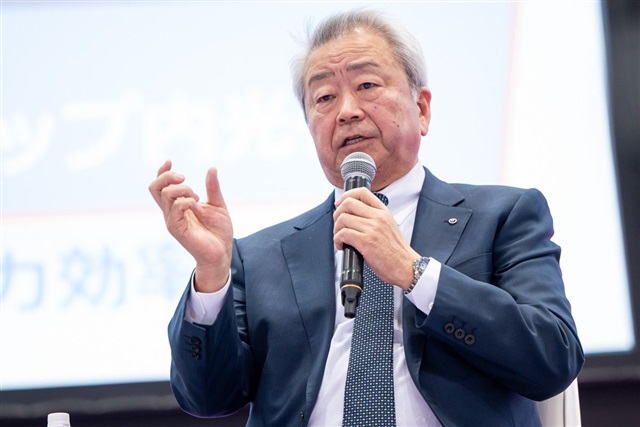
Rapidus is on an ambitious journey towards pioneering the production of 2nm chips, a venture laden with challenges that can redefine Japan’s presence in the semiconductor industry. Led by Chairman Tetsuro Higashi, the company aims to tackle three major hurdles: technical feasibility, market positioning, and funding sustainability.
From a technical standpoint, Japan’s current semiconductor capabilities only reach down to 40nm processes. Rapidus’s leap directly to 2nm is seen as daring, but Higashi remains optimistic. Leveraging collaboration with experts and institutions like IBM, the company aims to harness cutting-edge technology and experience. Despite initial considerations of entering the mid-tier semiconductor market, Rapidus decided that the existing players had too strong a foothold. Thus, the move towards an advanced, niche market where conditions are more favorable for newcomers seems strategic.
In terms of market positioning, Rapidus is carving out a niche as a specialized supplier distinct from industry titan TSMC. The company is championing the shift from standardized chips to more customized solutions tailored for specific applications like robotics, autonomous vehicles, and telemedicine. This shift promises to transform energy consumption levels dramatically, making semiconductors more efficient and sustainable. Higashi predicts a future where generative AI markets will thrive on chips optimized for specific algorithms, drastically altering the industry’s current landscape.
Financially, Rapidus is heavily dependent on the Japanese government, a situation fueled by private investors’ caution towards the high-risk nature of this advanced technology production. The company estimates it will need a staggering JPY5 trillion (approximately USD 32 billion) to reach mass production. Already, government subsidies have provided JPY920 billion, with promises of more funding to bolster Japan’s semiconductor industry. However, this reliance poses a challenge. There is an ongoing dialogue about the risks of becoming effectively state-owned if governmental aid remains their primary financial lifeline.
To mitigate this, Rapidus has plans to broaden its funding sources and aims for greater private investment in the coming years. Chairman Higashi envisions a future where bank loans and capital influx from private partners will finance nearly half of their equipment investments. Such fiscal independence is crucial not only for Rapidus’s growth but also for its sustainability in a rapidly evolving global market.
Rapidus’s journey is not just about technological breakthroughs; it represents a pivotal moment for Japan in the global semiconductor race, blending innovation with strategic financial planning to transform vision into reality.


