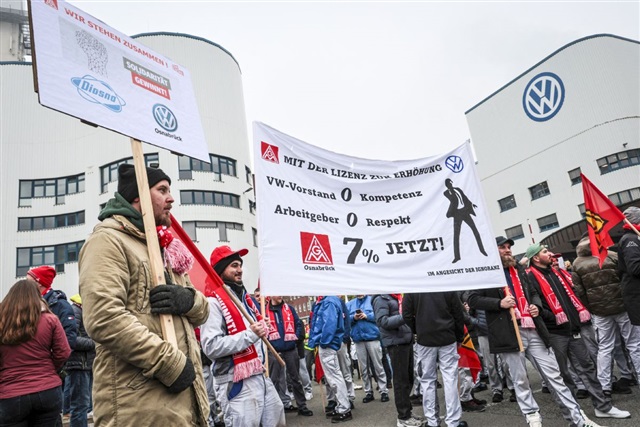
Germany, once the powerhouse of industrial excellence, thrived after World War II thanks to its cutting-edge technology, industrious workforce, and prestigious luxury car brands that captivated the high-end automotive market. For many years, its economic engine purred smoothly, propelling the nation to the forefront of global economic success.
But the landscape is shifting. Recent events have introduced new challenges to Germany’s once unshakable economic foundation. The once dominant luxury car brands are now navigating the complexities of changing consumer demands, a push towards sustainable technologies, and fierce global competition. The pressures of evolving environmental regulations and the rapid advancement in electric vehicle technology are pushing traditional automakers to innovate or risk obsolescence.
Additionally, the global economy’s interconnectedness means that Germany’s economy is also susceptible to international economic fluctuations. Trade tensions, supply chain disruptions, and geopolitical factors have all contributed to a more uncertain outlook. As a result, Germany, like its European counterparts, is exploring new strategies to revitalize its economy and maintain its strong position on the world stage.
In this new era, the skills and adaptability of Germany’s workforce, combined with the country’s ability to innovate, will be crucial. The focus is shifting towards fostering innovation in renewable energies, tech industries, and digital transformation to sustain growth. How well Germany navigates these challenges and seizes new opportunities will determine the next chapter in its storied economic history.
This evolving narrative of Germany’s economy is a reminder of the need to adapt and innovate in response to shifting market dynamics and global changes. As Germany adjusts to these new realities, its actions might redefine its future and offer lessons for economies worldwide.