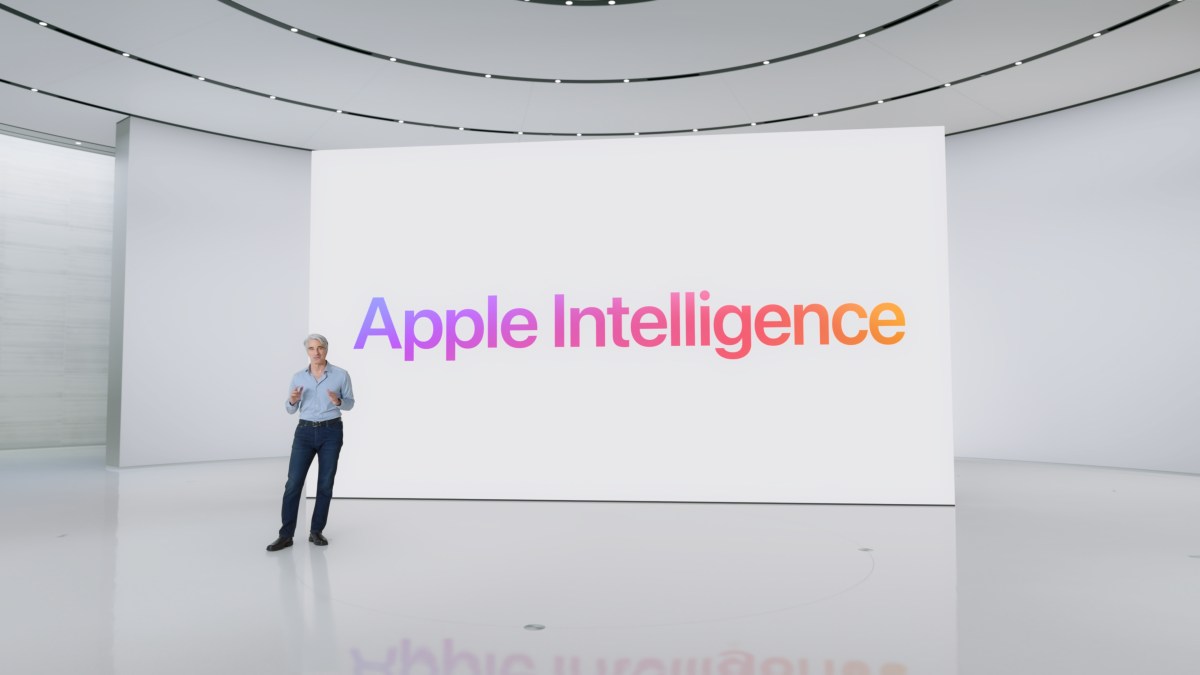
If you’ve recently upgraded to a new iPhone, you might have noticed a fresh feature popping up in your favorite apps—Apple Intelligence. This advanced tool, which made its debut in Apple’s ecosystem in October 2024, is part of Apple’s bid to rival leading AI developers like Google and OpenAI.
So, what exactly is Apple Intelligence?
Dubbed “AI for the rest of us” by Apple’s marketing execs, this platform aims to enhance existing app features using the power of generative AI. Whether it’s about text, images, video, or music, Apple Intelligence draws on vast information models and deep learning techniques to establish sophisticated connections.
One of the prominent aspects is its text capability, powered by a large language model (LLM). This feature, known as Writing Tools, is integrated across multiple Apple apps such as Mail, Messages, and Pages, offering services like text summarization, proofreading, and even content creation tailored to your tone and preferences.
Image generation isn’t left behind either. With Apple Intelligence, users can create custom emojis, affectionately called “Genmojis,” and leverage a dedicated app called Image Playground to produce creative visuals for their presentations and social media.
A notable enhancement is the revamped Siri. Once being an early contender in the smart assistant arena, Siri now boasts deeper integration across Apple’s systems. For example, the assistant can edit a photo and insert it directly into a text message. This new Siri not only has a slick visual update but operates more contextually, responding based on your current activities.
Anticipation was high for a further enhanced Siri at WWDC 2025. Although the launch of an even more personalized version was postponed, Apple hinted at future capabilities where Siri might understand and interact with your personal context like relationships and routines. However, due to quality concerns, its release is delayed.
During the same event, Apple also showcased a new feature called Visual Intelligence for enhanced image searches and a Live Translation tool that can translate conversations in real time across several apps. These are expected to roll out with iOS 26 later in 2025.
When did Apple Intelligence first appear?
Apple Intelligence first came into the spotlight during WWDC 2024. This announcement followed a surge of generative AI innovations from competitors. Apple had been crafting its AI strategy, showcasing a unique, pragmatic approach rather than chasing trends.
Apple Intelligence isn’t a standalone entity. Instead, it infuses existing apps with new capabilities powered by its large language model, all operating behind the scenes.
Further details were revealed at the iPhone 16 launch in September 2024, highlighting new AI-driven features across various Apple devices, with the first batch released in October as part of updates to iOS 18.1, iPadOS 18.1, and macOS Sequoia 15.1. Initially available in U.S. English, it will expand to other languages in 2025.
Who can access Apple Intelligence?
Apple Intelligence became available in October 2024 with updates to iOS 18.1, iPadOS 18.1, and macOS Sequoia 15.1. These updates brought integrated writing tools, article summaries, and an upgraded Siri experience. A subsequent update introduced features like Genmoji, Image Playground, and integration with ChatGPT.
These offerings are free for users with devices like the iPhone 16 series, certain iPhone 15 Pro models, and recent versions of iPad Pro, MacBook, iMac, and others.
How does Apple’s AI function offline?
Unlike traditional AI systems requiring an internet connection to process queries, Apple uses a bespoke, small-model approach to perform many tasks directly on your device. This method reduces resource demands and enhances privacy. For more complex tasks, Apple offers Private Cloud Compute, letting users switch seamlessly between on-device and cloud processing without noticing.
Apple Intelligence and third-party apps
Before its launch, Apple’s collaboration with OpenAI was a hot topic. While not directly powering Apple Intelligence, this partnership allows Apple to provide alternative solutions for tasks beyond its system’s scope. ChatGPT integration, for instance, supplements Siri’s knowledge and enhances writing capabilities.
Through iOS 18.2, iPadOS 18.2, and macOS Sequoia 15.2, users can leverage ChatGPT for content generation and information retrieval. Apple has hinted at future alliances, with Google Gemini likely in line.
Can developers build on Apple’s AI models?
At WWDC 2025, Apple introduced the Foundation Models framework, enabling developers to incorporate Apple’s AI systems into their apps even while offline. This opens doors for creating innovative AI-driven experiences without needing expensive cloud solutions, ensuring smart, privacy-focused user interactions.
For example, an educational app could create personalized quizzes from your notes, making study sessions more engaging—all handled locally on your device. This initiative showcases Apple’s commitment to smart, seamless tech solutions that prioritize user privacy.