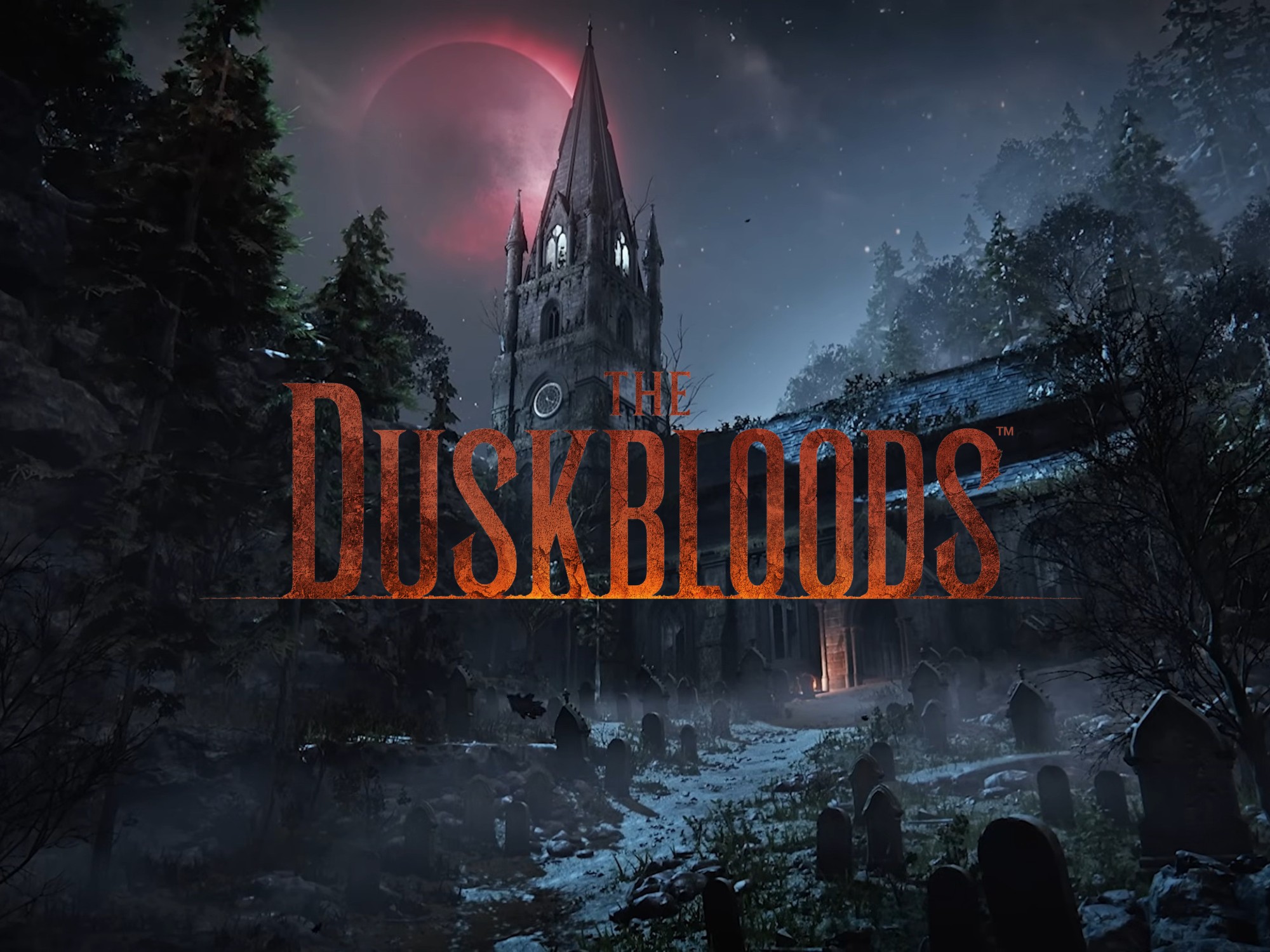
The Duskbloods network test is finally live for Nintendo Switch 2 players, giving fans their first real chance to see how FromSoftware’s upcoming online PvPvE action game performs. While the test has revealed plenty of promise, early player impressions suggest the game still needs meaningful optimization before launch.
The biggest concerns so far involve input lag, frame rate drops, and occasionally soft image quality. For a fast-paced action game built around dodging, blocking, timing attacks, and surviving chaotic multiplayer encounters, responsiveness is crucial. Even small delays between pressing a button and seeing the action happen on screen can make combat feel less precise.
After a delayed start, the network test resumed for Switch 2 users eager to try The Duskbloods ahead of its planned 2026 release window. Since this is still a pre-release test, performance problems are not unusual. However, the feedback gives a useful look at the challenges FromSoftware may need to address before the final version arrives.
In docked mode, players report that The Duskbloods usually runs somewhere between 40 and 60 frames per second. During smaller encounters, the experience appears reasonably smooth. However, when more characters appear on screen and the action becomes more intense, the frame rate can fluctuate, making the gameplay feel slightly uneven.
The drops do not appear to ruin the experience entirely, but they are noticeable enough for players to mention. In a game where reaction time matters, maintaining a stable frame rate could be more important than pushing visual quality.
Handheld mode seems to struggle more. Early impressions suggest performance can fall into the 30 to 40 fps range, especially during busy scenes. The Switch 2’s variable refresh rate support may help reduce the feeling of stutter, but it does not fully solve every performance concern.
For many players, though, the frame rate is not the biggest issue. Input lag has become the most talked-about problem from the test. Some users claim there can be a delay of around 200 milliseconds between pressing a button and the game responding. That kind of delay can be especially frustrating in a FromSoftware title, where combat is often built around precise timing and fast reactions.
Interestingly, the input delay does not seem to be limited to online matches. Players have also noticed sluggish response during the offline tutorial, which suggests the problem may not simply be caused by server latency or weak internet connections. If the delay is tied to the game’s internal performance or input processing, it may require deeper optimization before release.
The Duskbloods is designed around online battles with up to eight players, mixing PvP and PvE elements into unpredictable encounters. That structure makes smooth performance especially important. When multiple enemies, allies, effects, and attacks fill the screen, players need the game to remain responsive so they can make quick decisions and avoid unfair-feeling deaths.
Visual quality is another area receiving mixed reactions. Many players are praising the game’s art direction and atmosphere, which appear to carry the dark, stylish tone fans expect from FromSoftware. However, the image can look blurry or soft at times. Early reports suggest the game may be rendering at around 1080p even when docked, which could disappoint players hoping for sharper visuals on the Switch 2.
Still, resolution may not be the top priority for this kind of game. Most fans would likely prefer lower resolution if it means smoother combat, better frame pacing, and reduced input delay. For an action-heavy title like The Duskbloods, performance and responsiveness will have a major impact on how satisfying the final game feels.
The test also raises broader questions about how demanding FromSoftware’s games can be on different hardware. Previous titles from the studio have faced frame pacing and performance complaints on stronger platforms, so expectations for a Switch 2 exclusive are high. Because The Duskbloods is being built specifically for Nintendo’s new system, many players hope it will eventually deliver a more polished and stable experience than a typical port.
For now, the reaction to The Duskbloods network test is cautious but not negative. The core concept, visual style, and multiplayer structure have generated excitement, but the technical issues are hard to ignore. Input lag in particular could become a major problem if it remains in the final release.
The good news is that The Duskbloods does not yet have a fixed release date beyond its 2026 window. That gives FromSoftware time to improve frame rates, sharpen responsiveness, and refine the overall experience. Network tests are meant to reveal issues early, and player feedback could help shape the final version into a stronger Switch 2 exclusive.
As it stands, The Duskbloods shows potential, but it still needs work. If the developers can reduce input lag and stabilize performance in both docked and handheld modes, it could become one of the most intriguing multiplayer action games on the Nintendo Switch 2.