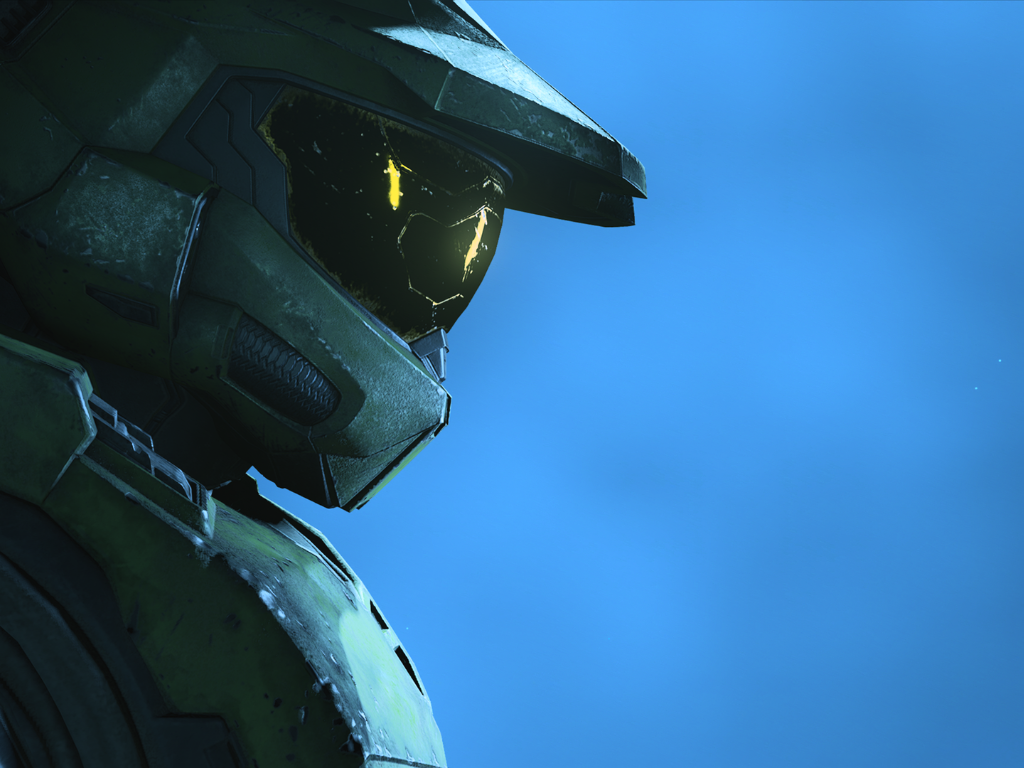
Steve Downes, the iconic voice of Master Chief in the Halo series, is speaking out about a growing trend he says goes too far: AI-generated recreations of his voice.
In a recent Q&A on his YouTube channel, Downes said he’s uneasy about how easily artificial intelligence can now mimic established voice performances—especially when those clips are shared in ways that make fans believe they’re hearing authentic, newly recorded lines. While he acknowledged that AI is here to stay and can bring real benefits to entertainment and society, he also emphasized the downside for performers whose work can be replicated without consent or compensation.
Downes explained that fan attention can be overwhelming on its own, but AI changes the stakes. Some AI-made content may seem harmless at first, he said, yet it can quickly shift into something more damaging. His biggest concern is the deceptive aspect: when a cloned voice sounds convincingly real and is used in a way that implies the actor actually recorded it. That, in his view, is the point where things “cross a line” into territory he isn’t comfortable with.
He also made it clear that he appreciates genuine fan-made projects created with passion. The difference, he suggests, is intent and transparency. Creative tributes are one thing—but using AI voice cloning to imitate a performer so closely that audiences can’t tell it’s fake is another, especially when it risks undermining the actor’s livelihood.
Downes’ comments land at a moment when deepfakes and AI voice mimicry are improving rapidly. In recent years, synthetic voices have become far more realistic—often close to indistinguishable from the real speaker. Analysts increasingly warn that 2026 could bring an even bigger surge of AI-generated voice-overs, with serious consequences for trust and safety.
That concern isn’t just theoretical. AI voice cloning is already being used in scams, with many people receiving large volumes of automated fraudulent calls that sound increasingly human. As the technology becomes more accessible, the risk grows—not only for consumers, but also for artists and voice actors whose identities and performances can be imitated at scale.
Downes’ message is straightforward: he doesn’t support unauthorized AI reproductions of his voice, and he wants the practice to stop—especially when it misleads fans into believing the words are his. His stance adds to the wider debate over AI in entertainment, where the central questions remain consent, credit, compensation, and how to prevent machines from impersonating real people without permission.