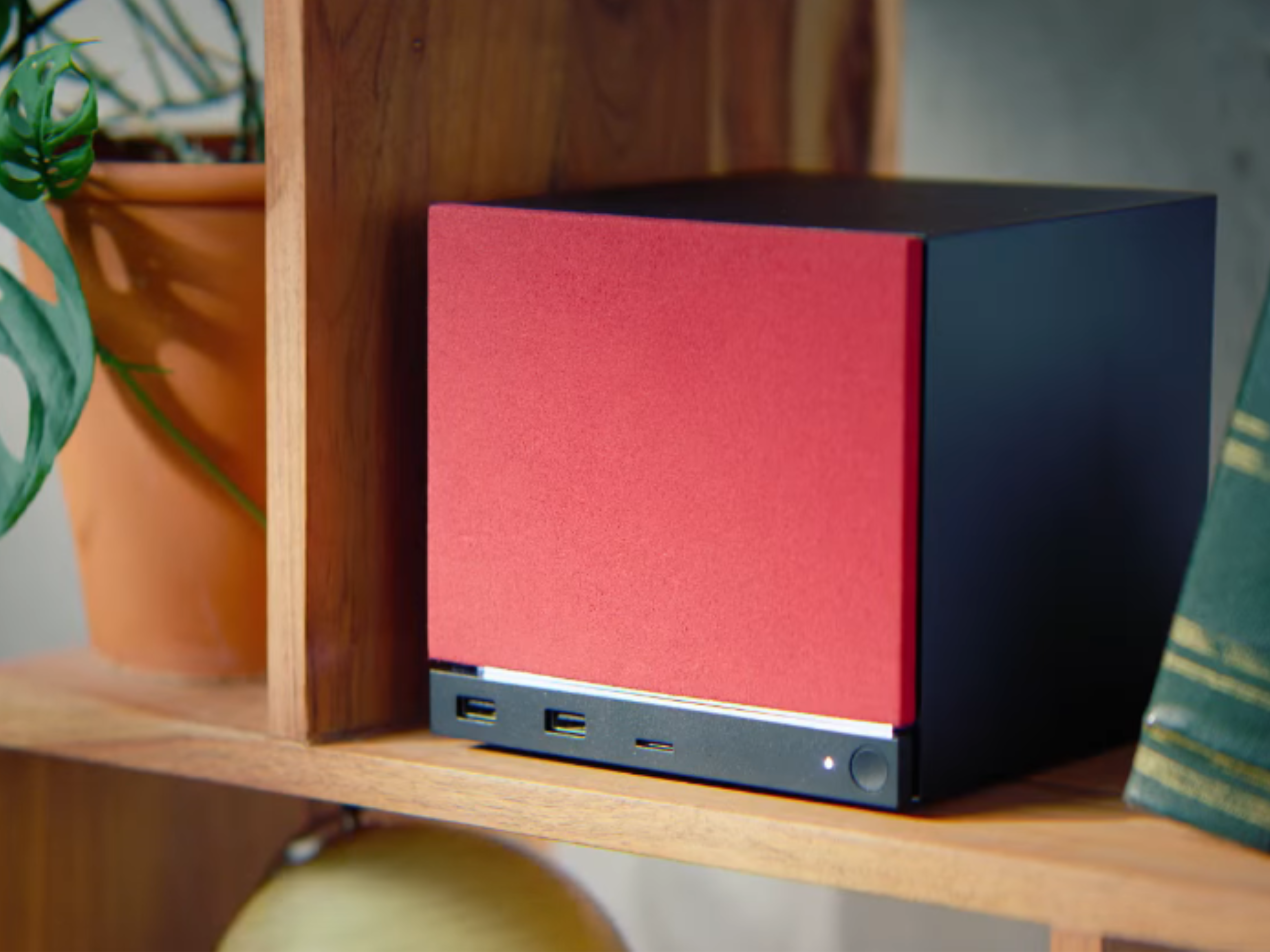
Steam Machine Shows Impressive PS3 Emulation Performance in RPCS3 Testing
The Steam Deck has already proven that handheld PC hardware can be a surprisingly capable option for retro gaming, especially with the right setup and a bit of tweaking. However, PlayStation 3 emulation remains one of the tougher challenges. Sony’s PS3 architecture is notoriously complex, and even today, many systems struggle to deliver smooth performance across the console’s library.
That is where the more powerful Steam Machine appears to stand out. In a recent performance test shared by Game Esoterica, the device was put through its paces with RPCS3, the popular PlayStation 3 emulator. The results suggest that the Steam Machine could become a serious choice for players interested in high-quality console emulation.
What makes the test especially interesting is that it was not performed under perfect conditions. No performance patches were applied, and shaders were not precompiled before launching the games. That means the test reflects a more realistic “first run” experience for users who have just installed the emulator and started playing.
In other words, the performance shown is not necessarily the best the system can do. Once shaders are cached and emulator settings are adjusted, many games could run even smoother.
The first game tested was Virtua Fighter 5. While this fighting game is not among the most demanding PS3 titles, it is very sensitive to frame pacing problems and input delay. Fighting games need fast response times and consistent performance, so even small stutters can affect gameplay.
On the Steam Machine, Virtua Fighter 5 ran extremely well. The game was tested at a higher internal resolution than the original PS3 version and showed no major visual problems, frame pacing issues, or noticeable input lag. For a game where timing is everything, that is a strong result.
God of War 3 was another major highlight. The action-heavy title is known as one of the more demanding games in the PS3 library, with large-scale battles, fast combat, and intense visual effects. The Steam Machine handled it well enough to be considered fully playable.
The game did not stay locked at 60 frames per second at all times, but that is not unexpected. Even on original PS3 hardware, God of War 3 had performance drops in certain scenes. The important takeaway is that the experience remained smooth enough to enjoy, showing that the Steam Machine has enough power to manage one of the console’s most ambitious exclusives.
CPU-heavy PlayStation 3 games also performed better than expected. Katamari Forever was one of the most interesting examples in the test. The game may look simple at first glance, but it places heavy pressure on the system due to the large number of objects on screen and the constant physics calculations happening in real time.
Despite those demands, the Steam Machine held a stable 30 frames per second, which matches the game’s intended performance target. That is a particularly encouraging sign because PS3 emulation often depends heavily on CPU strength, not just graphics power.
Dark Souls also delivered excellent results. The action RPG ran at a steady 30 frames per second while using a higher internal resolution than the original console version. For players who want to revisit Lordran with cleaner visuals while keeping the classic experience intact, the Steam Machine appears to be more than capable.
Not every test was perfect, though. Gran Turismo 6 showed a graphical issue involving the rear-view mirror. However, this appears to be more related to the current state of RPCS3 compatibility than a limitation of the Steam Machine itself. The emulator continues to improve over time, and occasional visual glitches are still expected in certain games.
Even with that issue, Gran Turismo 6 remained playable, which is notable given the game’s complexity and demanding nature.
Overall, the Steam Machine looks like a powerful option for PS3 emulation. The test results show strong performance across fighting games, action titles, racing games, and CPU-intensive releases. Since the games were tested without extra optimization, the system may have even more performance potential with proper emulator settings, shader caching, and game-specific patches.
Game Esoterica described the device as an “emulation beast,” and based on these results, that label seems fitting. Of course, expectations are high due to the system’s premium pricing. A device in this category should deliver strong emulation performance, especially for users looking beyond basic retro gaming.
Still, the results are promising. For anyone interested in RPCS3, PlayStation 3 emulation, and high-resolution classic console gaming, the Steam Machine appears to be a very capable platform. Many viewers are already asking to see more tests with other demanding emulators, including Xbox 360, PlayStation 4, and arcade platforms.
If future testing shows similar results across those systems, the Steam Machine could become one of the most appealing all-in-one emulation devices for serious retro gaming fans.