Valve Steam Machine BIOS Update Aims to Fix Red LED Thermal Warning Issue
Valve is reportedly preparing a BIOS update for the Steam Machine to address a problem where the emergency red LED warning light activates earlier than it should. The issue does not appear to be caused by faulty hardware, but it has still sparked debate because it touches one of the Steam Machine’s biggest selling points: simplicity.
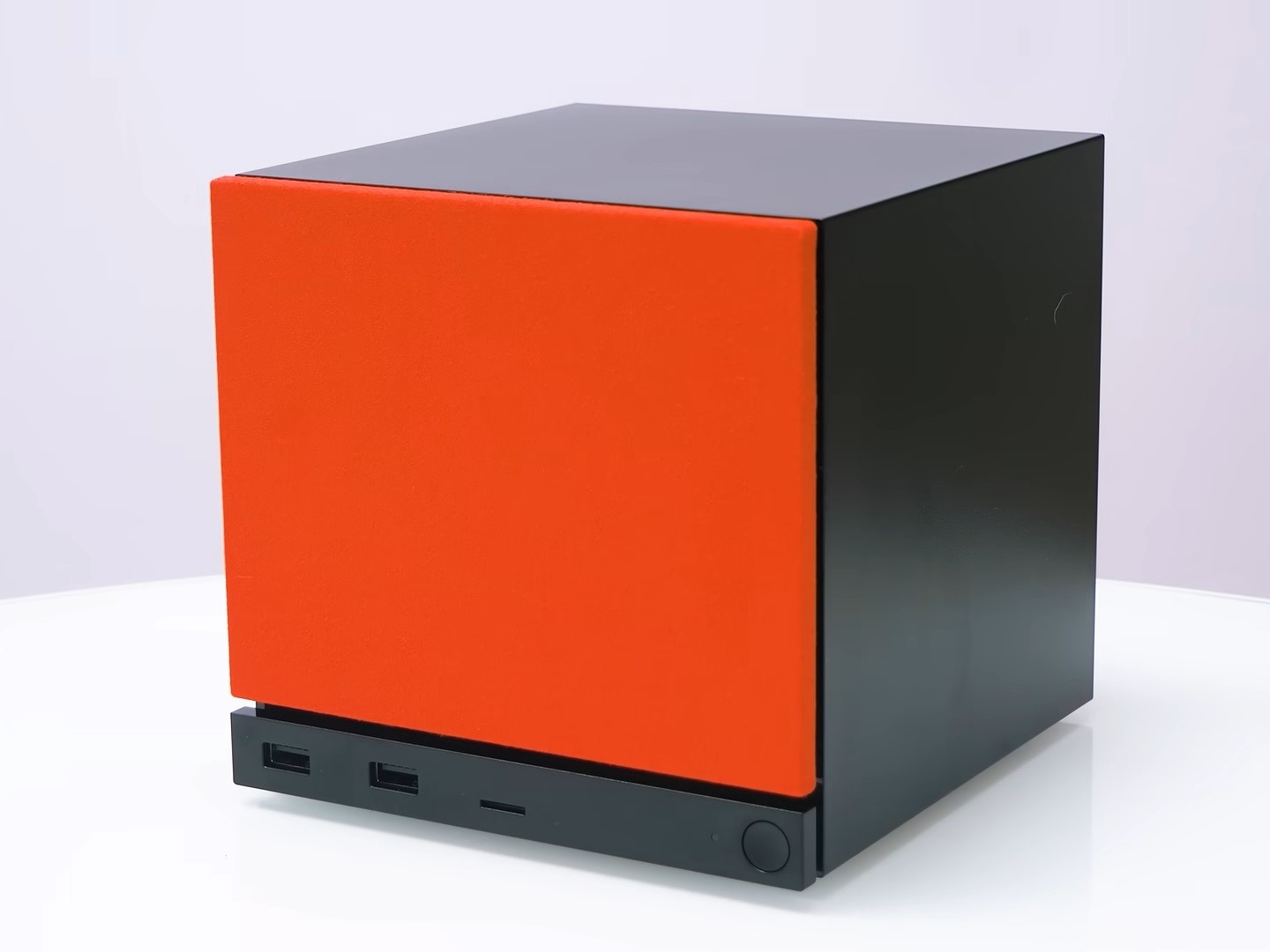
The Steam Machine has been promoted as a compact, console-style gaming device built around the Steam ecosystem. For many players, its appeal is clear. It offers access to a Steam library in a living-room-friendly form factor, avoids the usual Windows gaming PC setup, and is designed to feel easier to use than a traditional desktop. Features like swappable faceplates also help give it a more console-like identity rather than making it feel like just another small gaming PC.
However, the upcoming BIOS update has given critics a reason to question that message. Some have pointed out that if the Steam Machine is supposed to be more convenient than a regular gaming PC, needing a BIOS update to prevent premature thermal warnings or potential throttling is not exactly ideal.
Supporters argue that this criticism is overblown. Modern consumer electronics regularly receive firmware and system updates, including laptops, handhelds, smartphones, and game consoles. From that perspective, a BIOS update for the Steam Machine is not unusual and does not automatically mean the device is unreliable or difficult to maintain.
That argument is fair, but the situation still creates an awkward moment for Valve. A major reason buyers may choose the Steam Machine over a prebuilt gaming PC is the promise of a smoother, console-like experience with fewer technical headaches. If users still need to deal with low-level firmware fixes, even for a minor issue, the device begins to look a little closer to the PC world it is trying to simplify.
To be clear, the Steam Machine still has genuine strengths. It is compact, designed for Steam gaming, and removes much of the friction associated with Windows-based gaming setups. For players who want a plug-and-play Steam experience on the couch, that combination could be very appealing.
The bigger challenge remains value. Compared with more powerful prebuilt gaming PCs, the Steam Machine appears difficult to justify on price-to-performance alone. Its small size, Steam-focused software, and console-like design may win over some users, but raw performance per dollar is still a tough hurdle.
Unless Valve can significantly lower the price or improve the overall value proposition, the Steam Machine may struggle to convince performance-focused buyers. The upcoming BIOS update should solve the red LED warning issue, but it also highlights the delicate balance Valve must maintain: offering PC gaming freedom while still delivering the effortless experience console players expect.