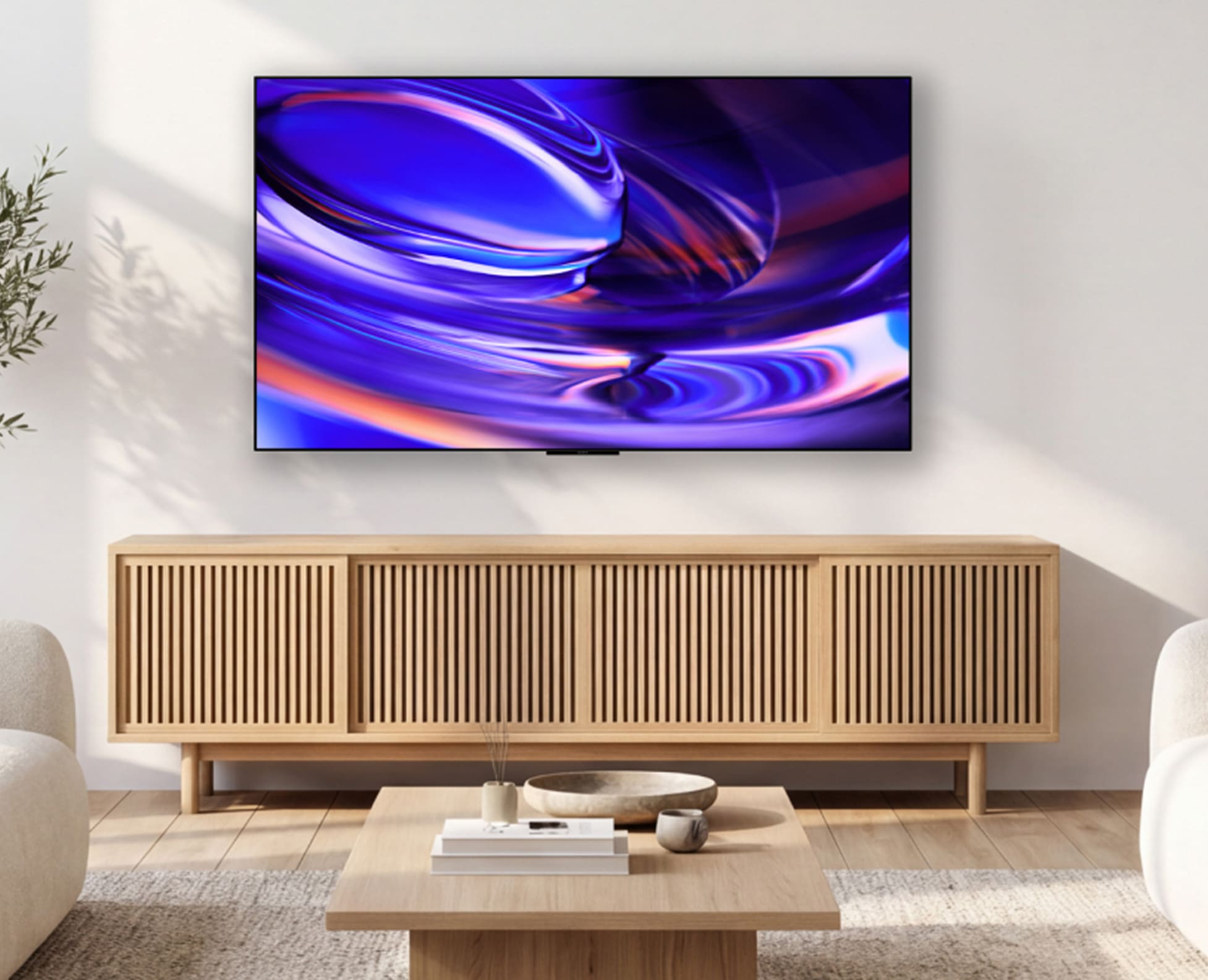
Sony Bravia 6 Launches as a More Affordable 4K OLED TV With 120Hz Gaming Support
Sony has introduced the Bravia 6, a new entry-level 4K OLED TV series aimed at buyers who want premium picture quality without stepping into the brand’s more expensive flagship models. With prices starting at $1,300, the Bravia 6 is positioned as a serious option for anyone shopping for an affordable OLED TV in 2026.
The lineup begins with a 48-inch model priced at $1,300. The 55-inch version costs $1,500, while the popular 65-inch size comes in at $2,000. For larger home theater setups, Sony is also offering a 77-inch model for $3,000 and an 83-inch version priced at $4,000.
The Bravia 6 sits below Sony’s higher-end OLED and premium LED models, but it still brings many of the features buyers expect from a modern 4K TV. It uses a wide-angle 4K OLED panel powered by Sony’s Triluminos Pro engine, which is designed to deliver rich colors, strong contrast, and deep black levels. The TV also supports major HDR formats, including Dolby Vision, HDR10, and HLG, making it suitable for movies, streaming shows, and next-generation gaming.
Gamers are one of the biggest target audiences for the Bravia 6. Sony has equipped the TV with four full-bandwidth HDMI 2.1 ports, which is a major advantage for users with multiple gaming consoles or high-end entertainment devices. The TV supports 4K gaming at 120Hz, Variable Refresh Rate, and Auto Low Latency Mode, helping reduce input lag and deliver smoother gameplay on current-generation consoles.
The Bravia 6 is powered by the Pentonic 800 system chip and runs on Google TV. It also includes Gemini integration for voice search, giving users a more modern smart TV experience when finding content, adjusting settings, or searching across streaming apps.
Audio support is also solid for the price range. The TV offers native decoding and passthrough for Dolby Atmos and DTS:X, making it compatible with immersive sound formats when paired with a soundbar or home theater system. Sony has also included a height-adjustable stand, which makes it easier to place a soundbar underneath the screen without blocking the picture.
To reach a lower price point, Sony has made a few notable compromises. The Bravia 6 does not include the more advanced XR Processor found in the company’s higher-end TVs. It also skips the premium anti-reflective coating available on more expensive models, meaning reflections may be more noticeable in bright rooms.
Another missing feature is Sony’s Acoustic Surface Audio technology, which uses the display itself to produce sound. Instead, the Bravia 6 relies on more traditional full-range drivers and tweeters. Peak brightness is also expected to be lower than Sony’s premium OLED models, so the TV may perform best in dimmer viewing environments where OLED contrast can shine.
Even with those trade-offs, the Bravia 6 appears to be a compelling new choice for shoppers looking for a more accessible 4K OLED TV. At $2,000 for the 65-inch model, it lands directly in the same price range as other budget-friendly OLED competitors, giving buyers another strong option in the growing entry-level OLED market.
For viewers who want deep blacks, vibrant colors, HDMI 2.1 gaming features, Google TV, Dolby Vision, and a full set of modern connectivity options, the Sony Bravia 6 could become one of the more attractive OLED TV releases of the year.