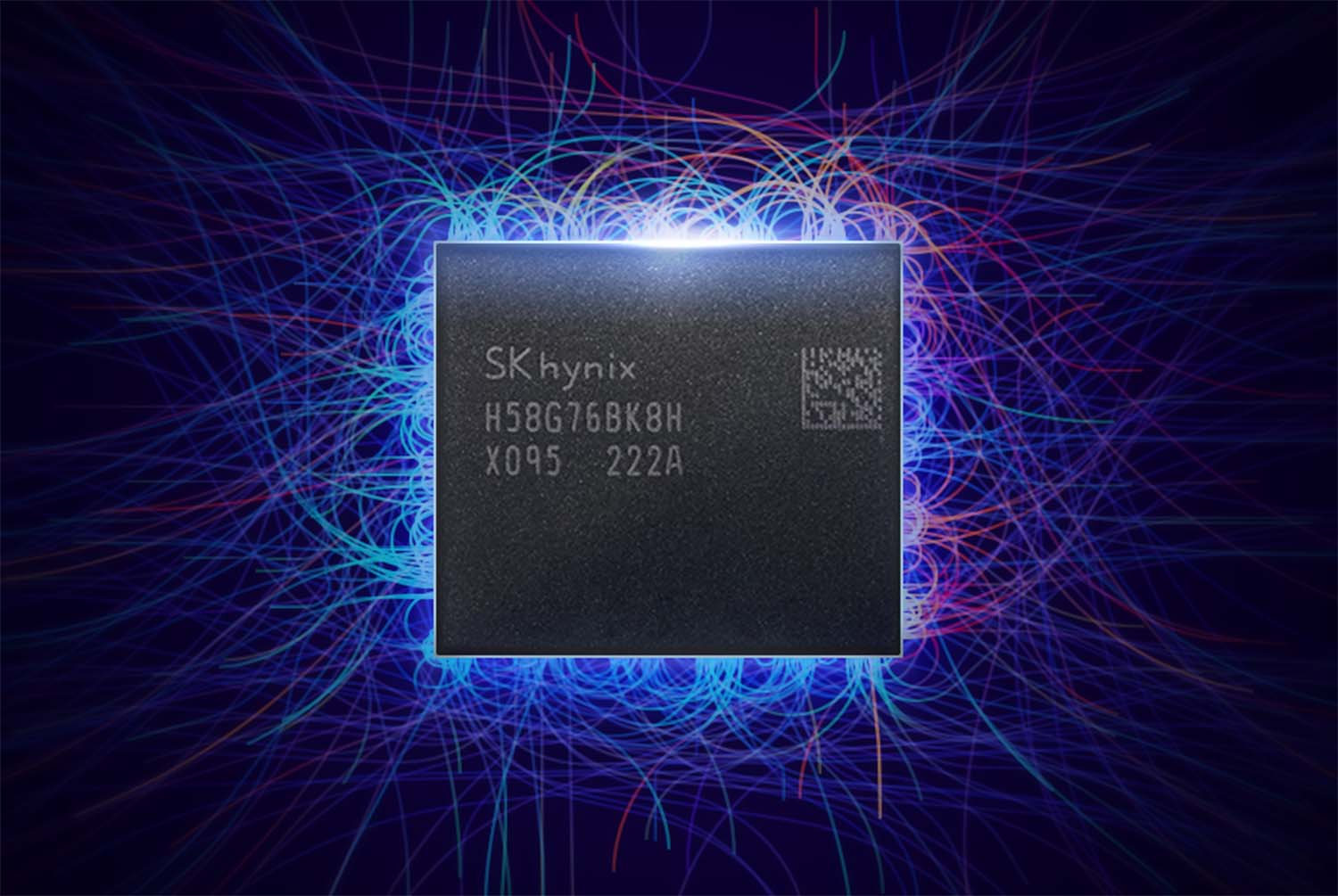
AI’s appetite for memory keeps growing, and one of the world’s largest DRAM makers is hitting the gas. SK hynix is preparing a massive production ramp to ease shortages, but even a dramatic scale-up may not be enough to satisfy demand in the near term.
According to a Korean business report, SK hynix plans to expand its 1c DRAM output by more than eightfold by 2026 to serve hyperscalers and chipmakers including NVIDIA and AMD. At the company’s Icheon campus, monthly 1c DRAM production is set to jump by about 140,000 units—from roughly 20,000 today to around 160,000. That’s a striking increase, signaling how aggressively the memory industry is trying to keep AI infrastructure fed.
Where will that new capacity go? SK hynix is prioritizing next‑generation products, notably GDDR7 modules for upcoming GPUs and low‑power SoCAMM memory that has been gaining traction in AI servers. These parts are essential for both training and inference workloads, offering high bandwidth and improved efficiency—two things modern data centers can’t get enough of.
SK hynix isn’t alone. Other major suppliers, including Samsung and Micron, are also moving quickly to lift output. Still, the surge in demand tied to AI inference and the ongoing buildout of global data centers is so intense that even accelerated expansion may feel like running on a treadmill. The near-term reality is straightforward: capacity is rising, but demand is rising faster.
That imbalance has important implications for consumers. Because so much new DRAM is earmarked for AI and cloud customers, relief in the retail market may lag. PC builders, gamers, and everyday buyers shouldn’t expect a quick return to abundant, lower-priced memory just yet. Even with increased wafer starts, suppliers face a sizable gap between current output and the inventory levels required to support hyperscale growth.
Put the scale in perspective: one major AI initiative alone—OpenAI’s Stargate project—is expected to consume about 900,000 DRAM wafers every month. By current estimates, that’s roughly 40% of global supply on its own. And this doesn’t even account for coming demand spikes from future high-bandwidth products such as HBM4 and HBM4E, which will further tighten the market as advanced accelerators roll out.
All signs point to a prolonged DRAM supercycle driven by AI. As cloud service providers race to deploy new clusters and enterprises accelerate their AI roadmaps, memory becomes the bottleneck and the battleground. GDDR7 will power next-gen GPUs, low-power modular form factors like SoCAMM will give server designers more flexibility, and 1c DRAM will be the workhorse node bridging today’s needs with tomorrow’s innovations.
What to watch next:
– How quickly SK hynix can bring the additional 1c DRAM capacity online and convert it into GDDR7 and low‑power server modules
– The pace at which other suppliers expand and whether collective industry output can narrow the AI supply gap
– The impact of HBM4/HBM4E adoption on wafer allocation and pricing across the broader DRAM ecosystem
– Signs of relief in consumer channels—pricing trends for desktop and laptop memory, and availability of next‑gen GPU memory
Bottom line: SK hynix’s ramp is big, but AI’s demand is bigger. The company’s eightfold expansion plan shows how the industry is shifting resources toward data centers and accelerators, not consumer shelves. Until supply materially catches up—and that could take years given current trajectories—expect the DRAM market to remain tight as the AI era accelerates.