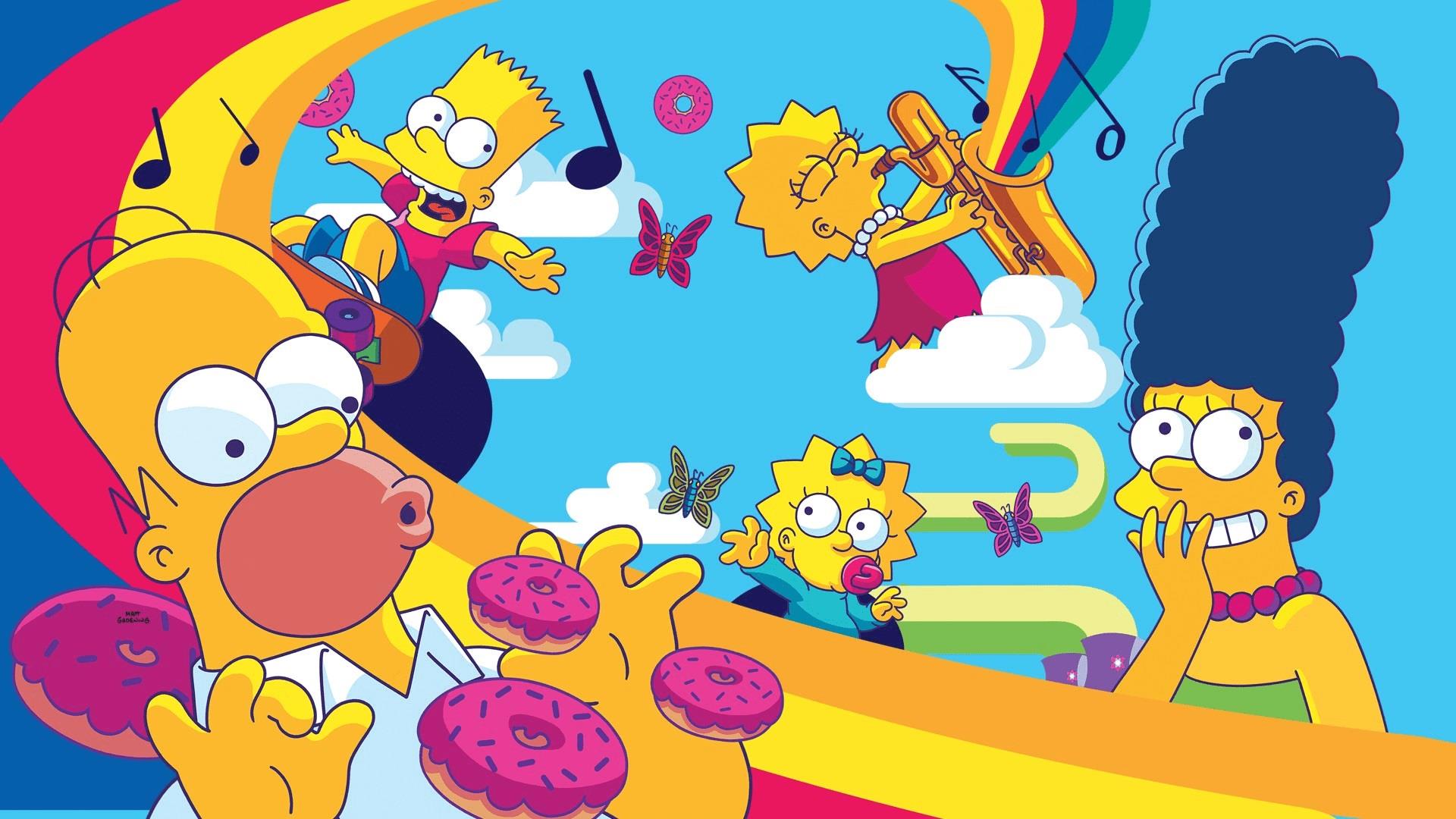
For nearly 36 years, The Simpsons has been a staple of television, delighting audiences and making history as one of the longest-running shows ever. Recently, however, the rise of artificial intelligence has sparked concern among actors and artists, particularly due to AI’s growing capability to create realistic videos and mimic human voices. One voice actor, deeply concerned about this trend, asserts that true voice acting involves much more than a mere talent that can be reproduced by machines.
Hank Azaria, renowned for bringing characters like Moe, Chief Wiggum, and Comic Book Guy to life on The Simpsons, has shared his trepidations in an op-ed for The New York Times. He expressed his fears about AI potentially taking over roles that passionate experts like him have spent years perfecting. To Azaria, such advancements border on theft.
Imagining a future where AI accurately recreates the diverse voices he crafted over four decades saddens Azaria. “It seems unjust to exploit my likeness or sound without consent,” he confessed. Even with sophisticated AI, capturing the essence of characters like Moe, the crotchety bartender from The Simpsons, poses a formidable challenge. Moe’s character is rich with emotions, appearing in nearly every episode over the past 36 years. According to Azaria, no algorithm can easily capture the depth required to portray Moe credibly.
Azaria emphasizes that effective voice acting transcends mere vocal imitation—it demands a physical and emotional commitment. “Voice acting is misunderstood as requiring only a voice,” he observes. “Our entire beings are engaged to convey authenticity—even if it means simulating actions like running or genuinely conjuring tears during emotional scenes.”
Despite Azaria’s assertions, the rapid pace of investments in AI by major companies suggests that his concerns might materialize sooner than expected. Some tech giants have expressed interest in licensing artists’ voices for AI assistants, offering lucrative deals in the process. While the future remains uncertain, the evolving landscape of AI technology will undoubtedly shape the industry in the coming years, setting the stage for a compelling narrative in how we balance creativity with technological progress.