Why Many Classic Sonic Games Still Haven’t Returned to Modern Consoles
Many Sonic fans continue to ask the same question: why are so many classic Sonic games still stuck on older systems? With the franchise celebrating decades of history, players are eager to revisit beloved titles without digging out outdated hardware or hunting for second-hand copies.
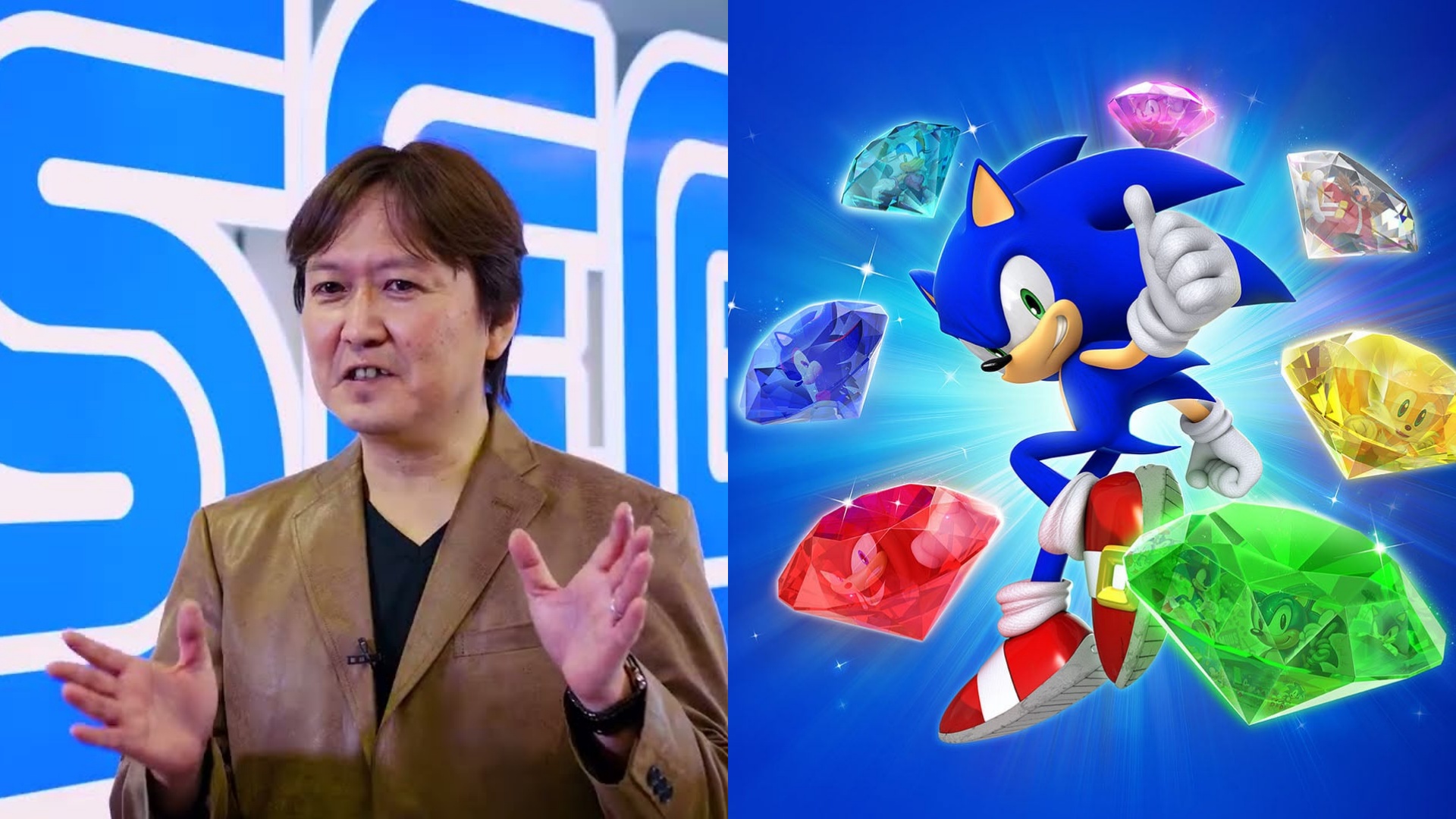
According to Sonic Team head Takashi Iizuka, bringing older Sonic games to modern platforms is not as simple as it may seem. While fans may imagine a quick port, modern re-releases often come with much higher expectations. Today’s players typically look for sharper visuals, smoother performance, refined controls, improved menus, faster loading times, and other quality-of-life upgrades that make older games feel more comfortable on current hardware.
That creates a major challenge. Once developers begin updating a classic game to meet modern standards, the project can become much larger than a basic port. In some cases, the amount of work needed for a polished remaster or remake can come close to the effort required to build an entirely new Sonic game. This is one of the main reasons Sega has continued to focus more heavily on new entries in the franchise rather than bringing back every classic title.
Still, many longtime fans argue that not every Sonic game needs a full remake. A large part of the community would be satisfied with simple ports or lightly enhanced versions. For these players, the priority is accessibility. They want legal, affordable, and convenient ways to play older Sonic games on modern consoles and PC without relying on discontinued platforms.
The demand is especially strong because several fan-favorite Sonic titles remain tied to older hardware, including systems such as the Dreamcast and GameCube. As time passes, those games become harder for new generations of players to experience. Physical copies can be expensive, original consoles may be difficult to find, and older hardware does not always work well with modern displays.
At the same time, Sega’s current approach appears to be working. Sonic is enjoying one of its strongest periods in years, helped by successful films, solid game sales, new releases, and crossover projects that have introduced the character to a wider audience. After years of mixed reception and inconsistent momentum, the Sonic brand has regained significant popularity.
That success may explain why Sega is being careful with its priorities. New Sonic games help push the series forward, while remasters and re-releases require time, money, and development resources. Even so, the demand for classic Sonic games on modern platforms is not going away.
For many fans, the ideal future would include both: fresh Sonic adventures and easier access to the series’ most important older titles. Whether through simple ports, enhanced editions, or full remakes, there is a clear appetite for Sonic’s past to become more available in the present. Until then, some of the franchise’s most beloved games will remain locked behind aging hardware, leaving fans hoping Sega eventually finds the right way to bring them back.