Snapdragon 8 Elite Extreme Gen 6 Reportedly Faces Overheating Concerns in Samsung Testing
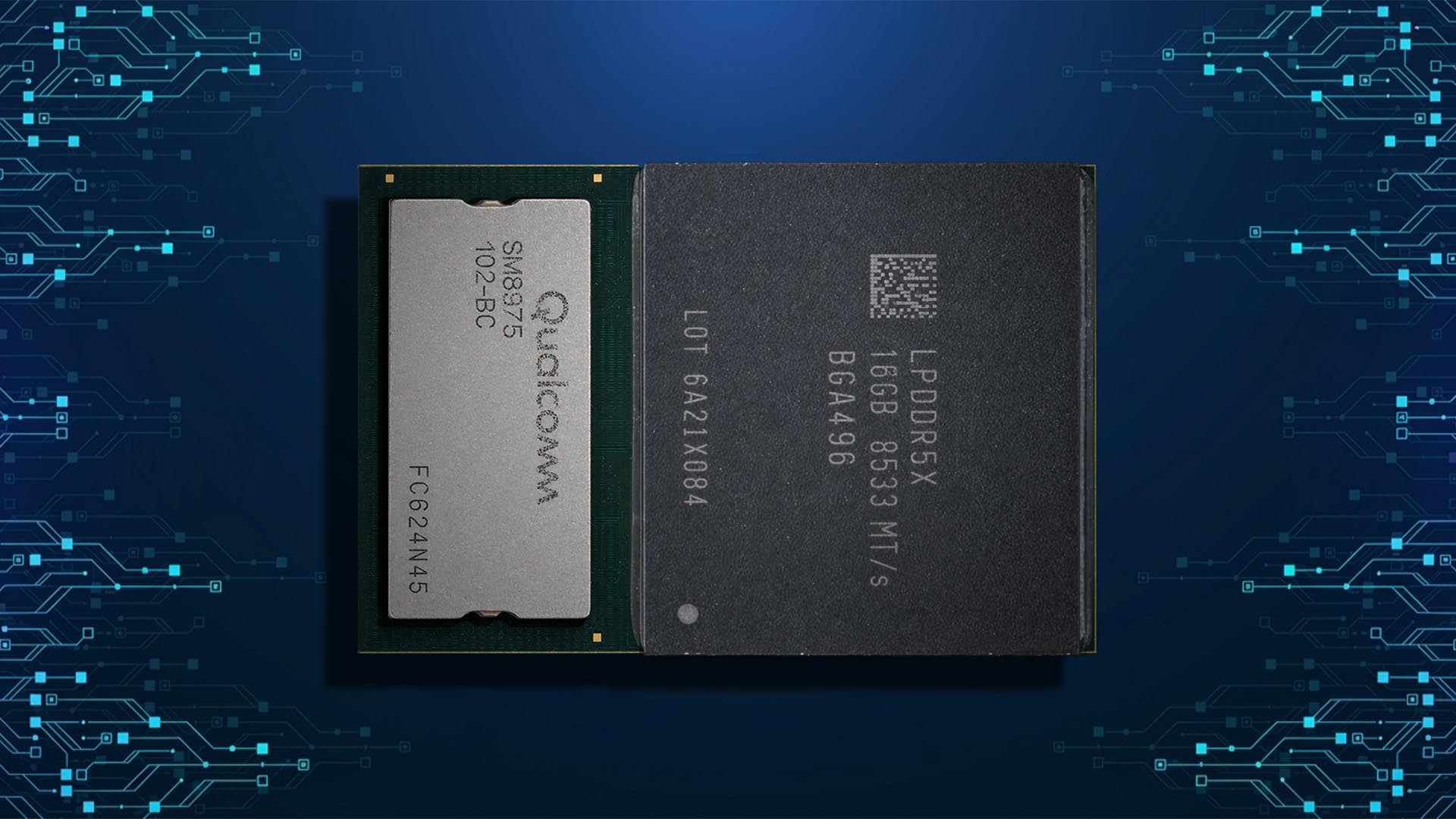
Qualcomm’s rumored Snapdragon 8 Elite Extreme Gen 6 is expected to be one of the company’s most ambitious mobile chipsets yet, potentially marking its first move to a 2nm manufacturing process. On paper, that should bring better efficiency, stronger performance, and improved thermal behavior. However, a new report suggests that Samsung may not be fully satisfied with the chip’s current performance during internal testing.
According to the report, Samsung has allegedly found that the Snapdragon 8 Elite Extreme Gen 6 still experiences overheating and throttling under sustained heavy workloads. In practical terms, this means the chipset may start at high clock speeds but reduce performance when pushed for longer periods, such as during gaming, video processing, benchmarking, or other demanding tasks.
The issue is especially notable because Qualcomm is said to be using an “Offset PoP” packaging design for the Snapdragon 8 Elite Extreme Gen 6. This packaging method is believed to help improve sustained performance by managing heat more effectively. Even with that change, Samsung’s reported testing has apparently raised concerns, with the company said to have asked Qualcomm to address the thermal behavior soon.
That said, the report does not include detailed benchmark figures, temperature readings, power consumption numbers, or side-by-side comparisons. Without that data, it is difficult to judge how serious the issue really is. It is also unclear whether the tested silicon represents an early sample or a version closer to mass production. Early chip samples often behave differently from final commercial hardware, especially when firmware, drivers, and thermal tuning are still being refined.
The situation becomes more interesting because Samsung may have another option: its own Exynos 2700 chipset. The Exynos 2700 is expected to be manufactured using Samsung’s improved 2nm process, reportedly called SF2P. If Qualcomm cannot resolve the alleged performance and heat-related problems in time, Samsung could theoretically lean more heavily on its in-house processor for future Galaxy flagship devices.
This possibility could put added pressure on Qualcomm. The Snapdragon series has become the preferred choice for many Android flagship phones, especially in premium models where performance, battery life, and thermal stability are major selling points. If Samsung gains confidence in its own Exynos 2700, Qualcomm could face tougher negotiations and stronger competition inside one of the world’s biggest smartphone brands.
Still, there is reason to be cautious. Reports about upcoming Exynos chips have been optimistic in the past, only for real-world performance and benchmark results to fall short of expectations. Samsung’s chip division has been working to close the gap with Qualcomm and Apple, but competing at the highest level requires more than a smaller manufacturing node. Architecture, power efficiency, modem performance, GPU strength, and thermal design all play major roles.
Qualcomm’s recent strategy has often focused on aggressive performance targets. The company has pushed high clock speeds to gain an advantage in benchmark tests such as Geekbench, particularly in single-core and multi-core results. While this can deliver impressive peak performance, it can also increase power draw and heat output. If a chipset requires too much power to reach its highest speeds, sustained performance may suffer once temperatures rise.
Apple, by comparison, has taken a different approach with its latest high-end chips. Rather than relying only on advanced manufacturing processes, Apple has continued to invest heavily in architecture improvements and tight hardware-software optimization. Paired with improved cooling systems in newer iPhone models, this strategy can help deliver strong sustained performance without depending solely on extreme clock speeds.
For Samsung, the final decision may come down to stability, efficiency, and user experience. A flagship phone cannot rely only on short benchmark bursts. Buyers expect smooth gaming, fast app performance, reliable camera processing, and strong battery life without excessive heat. If the Snapdragon 8 Elite Extreme Gen 6 can deliver those qualities after further tuning, it will likely remain a powerful candidate for future Galaxy devices.
For now, the claims should be treated as unconfirmed. Qualcomm has not publicly verified the reported issues, and Samsung has not released official testing data. Until final hardware appears, it is too early to say whether the Snapdragon 8 Elite Extreme Gen 6 is facing a serious thermal problem or whether this is simply part of the normal development process for a next-generation mobile processor.
What is clear is that the battle for the next wave of premium smartphone chipsets is heating up. With Qualcomm pushing 2nm technology, Samsung preparing the Exynos 2700, and Apple continuing to refine its custom silicon, the competition in flagship mobile processors could become even more intense over the next few years.