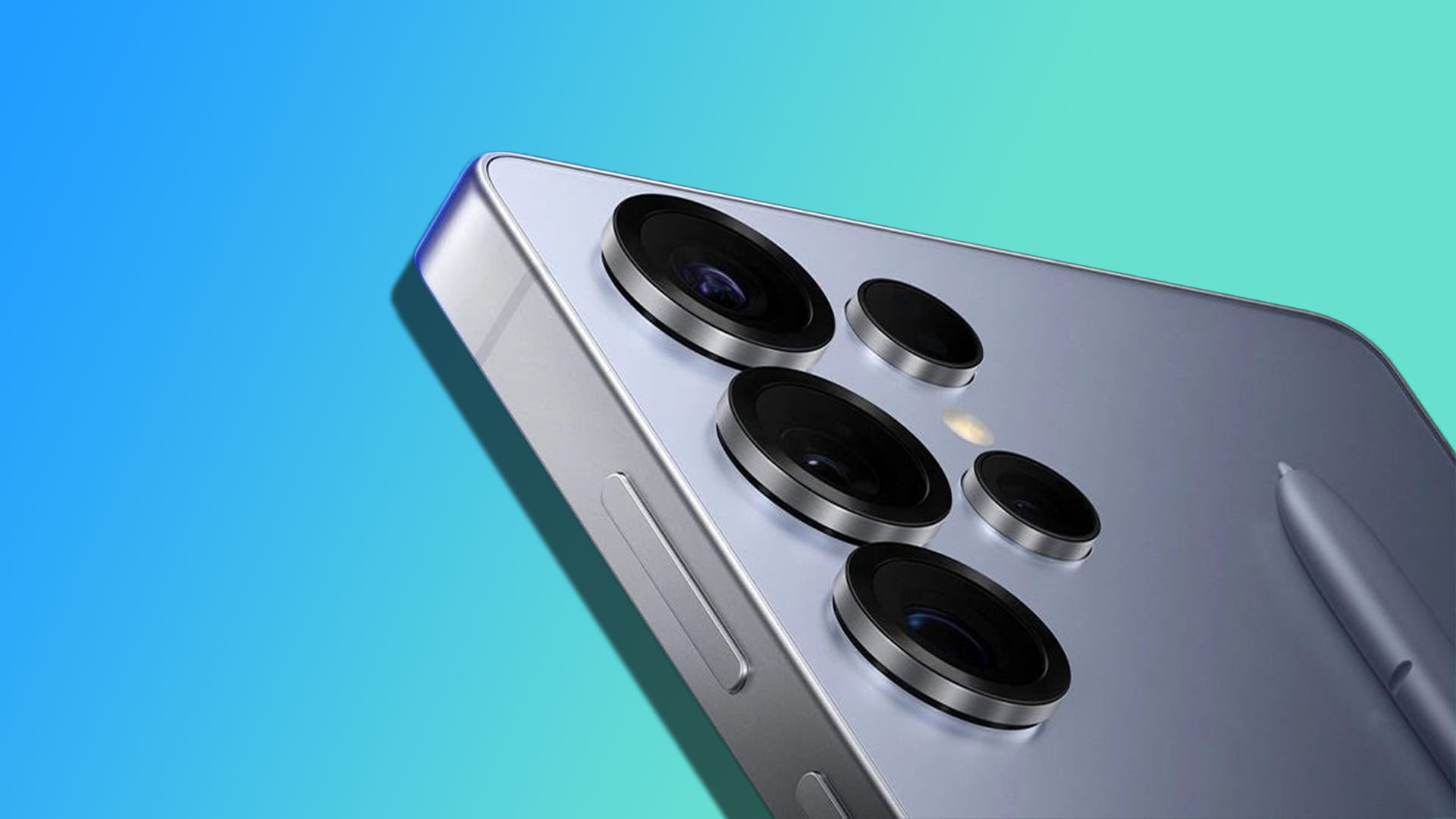
The Galaxy S25 Ultra is generating plenty of buzz with its impressive camera setup, featuring a 200MP main sensor paired with two telephoto units. However, some enthusiasts might feel shortchanged, as rumors indicate that Samsung chose not to equip this flagship with potentially superior hardware like the 200MP ISOCELL HP9 sensor. This decision raises eyebrows, but there’s a noteworthy explanation behind it.
To integrate Samsung’s latest sensors, such as the anticipated 200MP ISOCELL HP9, future flagships like the Galaxy S25 Ultra would have to contend with substantial increases in thickness. A well-known source, Ice Universe, has shared insights on social media, explaining the challenges Samsung faces. The ISOCELL HP9 camera unit would indeed be as thick as the smartphone itself, necessitating a complete design overhaul to maintain the aesthetic appeal that consumers expect from a top-tier model.
Moreover, the shift away from employing AloP (All Lenses on Prism) technology in this flagship—though rumored for the Galaxy S25 Edge—appears to be a strategic choice. It seems this emerging technology comes with a hefty price tag, making it imprudent to incorporate across the board without revisiting the overall cost of producing a single flagship. One suggestion floating around is for Samsung to simply beef up its phones’ thickness to accommodate the camera bump. However, this solution may deter a segment of buyers, as additional bulk could affect the user experience negatively.
Despite the allure of advanced sensors, Ice Universe suggests that the use of such innovative components may not be feasible for mainstream models like the Galaxy S25 Ultra. This is due to cost constraints and the potential impact on sales. Larger camera modules tend to add to the smartphone’s weight and bulk, which might not appeal to the broader consumer base.
The conversation hints at Samsung’s potential to incorporate AloP technology in the future, which could pave the way for integrating high-performance sensors such as the 200MP ISOCELL HP9 without needing to compromise on design or add excessive weight. This step could be essential for Samsung’s long-term strategy, allowing them to maintain a balance between innovation, usability, and customer satisfaction.


