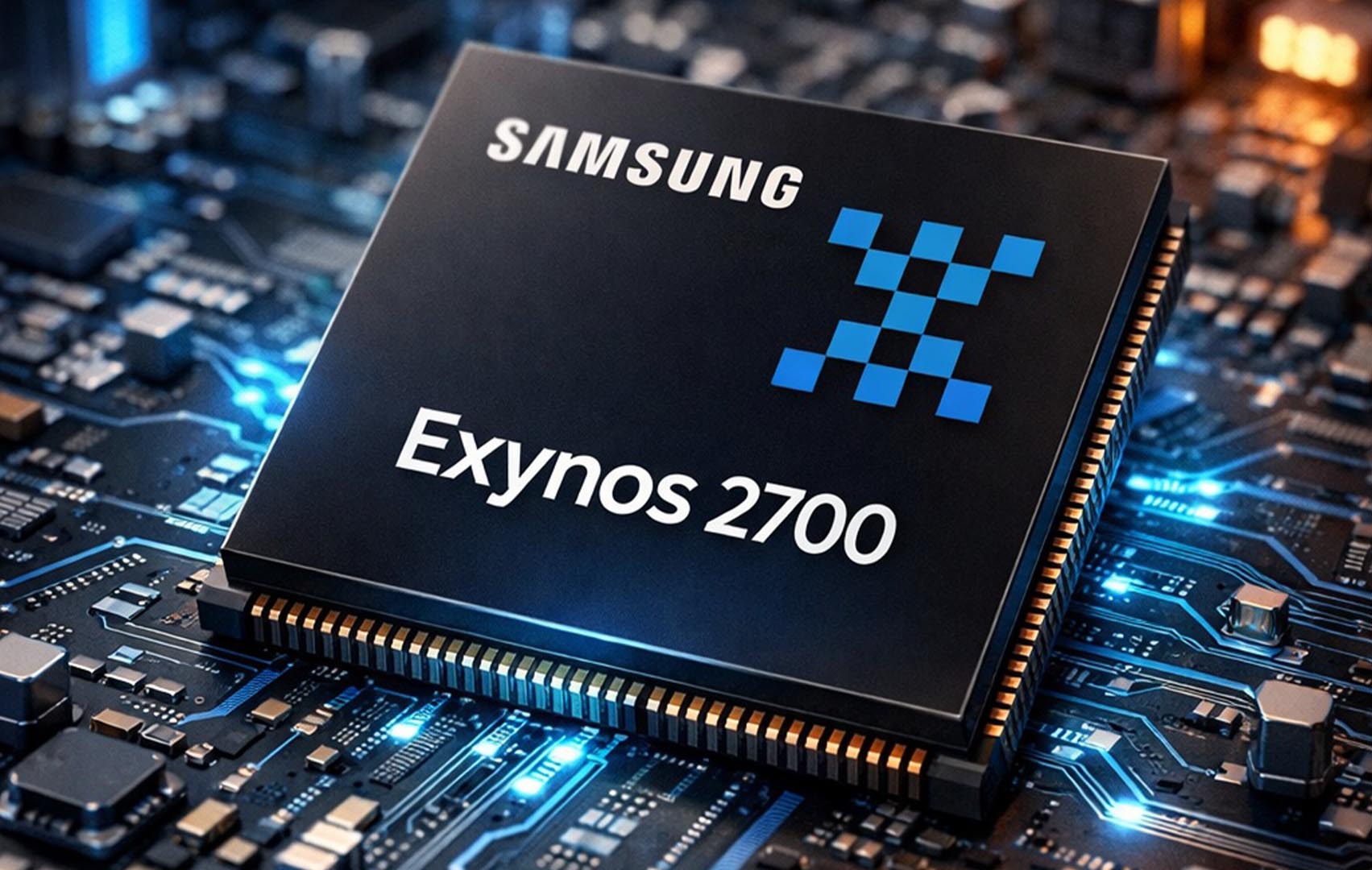
Samsung is already looking beyond the Exynos 2600. The company has now publicly confirmed it is developing the Exynos 2700, signaling a bigger push to expand its 2nm GAA chipset lineup and increase its share in future flagship phones.
The confirmation came during Samsung’s Q1 2026 earnings call, where the company spoke about its next flagship mobile processor plans. While the Exynos 2700 has been the subject of talk for a while, this is the first time Samsung has openly acknowledged the chip and its strategy around it. Put simply, Samsung believes the Exynos 2700 will build on what the Exynos 2600 started—and help the company grow its presence in premium smartphones.
One of the biggest motivations is clear: Samsung wants its own Exynos platform to account for a larger portion of Galaxy S27 shipments. That would also mean less reliance on Qualcomm’s Snapdragon lineup, which has powered many Galaxy flagships across different regions in recent years.
According to commentary shared by analyst Bryan Ma, Samsung indicated that Exynos 2700 development is progressing as planned. The company also highlighted that the new processor will maintain the “flagship competitiveness” of the Exynos 2600 while pushing further—especially in AI. Samsung specifically pointed to enhanced AI performance as a key improvement, though it did not provide additional specifications or performance figures.
The Exynos 2700 is expected to take advantage of Samsung’s second-generation 2nm GAA manufacturing process. If everything goes as intended, that should translate to better performance and improved power efficiency compared to the Exynos 2600, which is exactly what Samsung needs as competition at the very top of the smartphone chip market continues to intensify.
On the design side, Samsung is expected to continue using ARM-based CPU and GPU designs, rather than switching to fully in-house cores. Early benchmark chatter suggests the Exynos 2700 could feature a different 10-core CPU configuration, pointing to meaningful internal changes even if the overall approach remains familiar. The broader goal appears to be delivering a more refined, more stable evolution of the Exynos 2600 rather than a risky reinvention.
That refinement matters because efficiency is still a major challenge. Earlier testing of the Exynos 2600 has suggested that under heavy stress it can hit peak power levels around 30W—territory more typical of laptop-class processors than smartphones. Power spikes like that can lead to higher temperatures, more aggressive thermal throttling, and a less consistent user experience during demanding tasks like gaming, extended camera use, or on-device AI workloads.
If Samsung wants the Exynos 2700 to power more Galaxy S27 models next year, reducing those worst-case power and heat behaviors will be crucial. It also needs to be ready for next-generation competition, as Qualcomm is widely expected to bring its own 2nm Snapdragon 8-series options to the market, raising the bar for both sustained performance and efficiency.
For now, Samsung’s message is straightforward: Exynos 2700 is on track, it’s aimed squarely at flagship competitiveness, and AI performance will be a major focus. The next big question is whether Samsung’s 2nm improvements and platform optimizations will be enough to deliver cooler, steadier performance—and convince the company to rely on Exynos in a larger share of its top-tier Galaxy phones.


