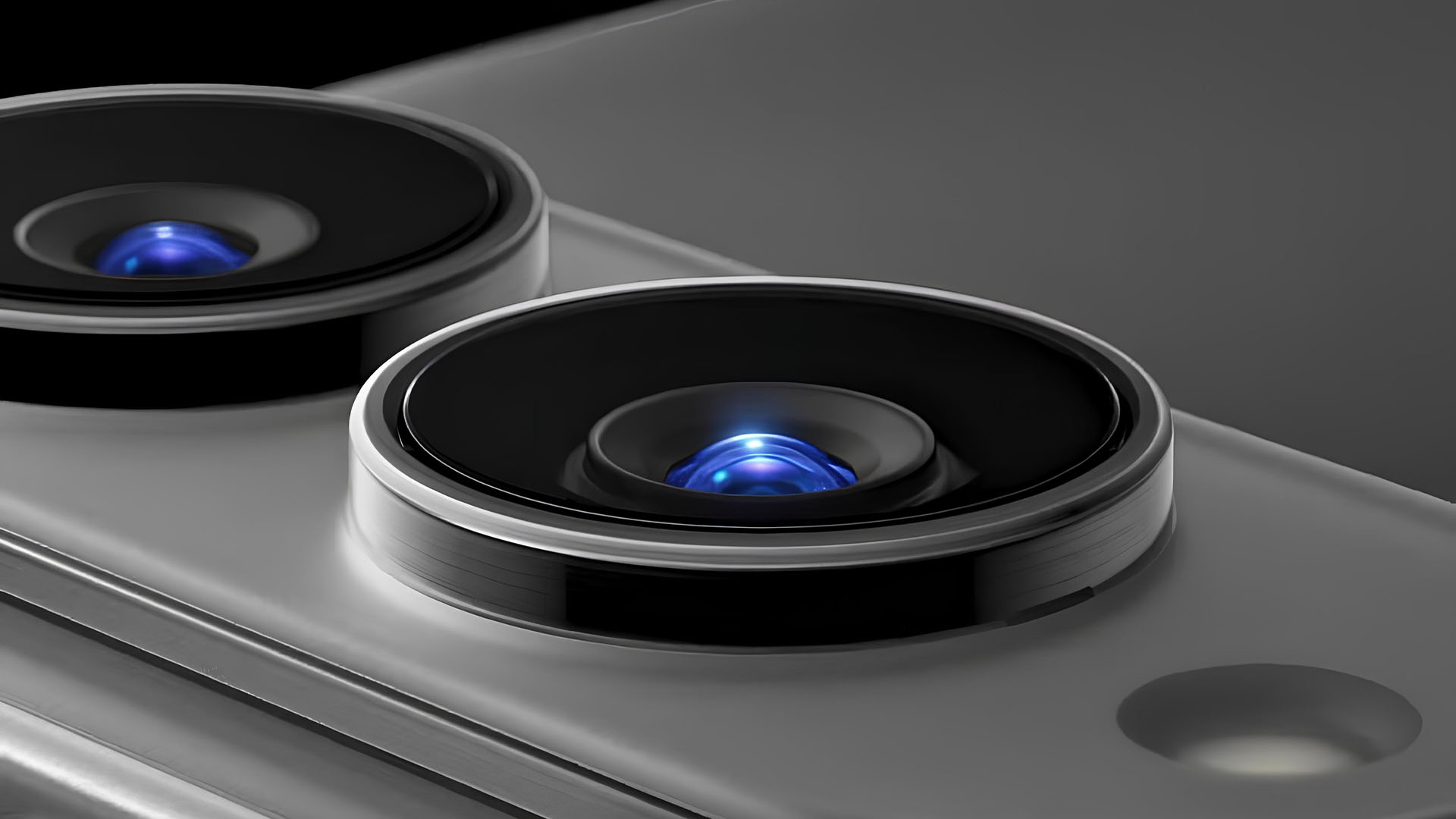
Samsung may be preparing one of its most meaningful smartphone camera comebacks in years: the return of variable aperture lenses. The feature has been missing from the company’s flagship phones for quite some time, but fresh reports suggest it’s back on the table as the next big hardware upgrade Samsung wants to explore.
According to information shared by ETNews, Samsung’s Electro-Mechanics division and MCNEX are reportedly producing early variable aperture samples that Samsung can test and evaluate. While this is encouraging news for mobile photography fans, the technology is still said to be in the early stages. That makes it far from guaranteed that the upcoming Galaxy S26 series will include it—though the company is reportedly strongly committed to using variable aperture again.
Why the sudden renewed interest? Competition is heating up, and Apple has been rumored multiple times to bring variable aperture to the iPhone 18 Pro and iPhone 18 Pro Max. If that happens, it could push smartphone photography into a new phase where hardware once again plays a bigger role alongside software processing. For Samsung, responding with a tangible camera innovation could be important—especially as critics have often pointed out that recent Galaxy S generations haven’t delivered major camera hardware changes.
For anyone who missed Samsung’s earlier implementation, variable aperture first appeared on the Galaxy S9 and Galaxy S9+ in 2018. The idea is simple but powerful: the camera can physically adjust the aperture to control how much light reaches the sensor, depending on your environment. In bright scenes, a narrower aperture can help preserve detail and reduce overexposure. In low light, a wider aperture allows more light in for brighter shots and potentially cleaner results.
Back then, Samsung offered two aperture “stops”: f/1.5 and f/2.4. At this stage, there’s no clear information on how many aperture levels future iPhones might use, and there’s also no confirmation on what Samsung’s next-gen implementation would look like if it returns.
So why did Samsung drop variable aperture in the first place? The report points to practical challenges—mainly concerns about camera thickness and the higher manufacturing costs that come with more complex moving parts. In recent years, Samsung has leaned more heavily on computational photography—using software and AI-driven processing to compensate for limitations in hardware. While that approach has continued to deliver strong results, bringing variable aperture back could add real flexibility that software alone can’t always replicate.
If Samsung moves forward, this could be the kind of upgrade that refreshes interest in the Galaxy S lineup. A variable aperture camera would signal a shift back toward visible hardware innovation—something many fans have been asking for—and could help Samsung stand out in a market where flagship phones often feel increasingly similar.