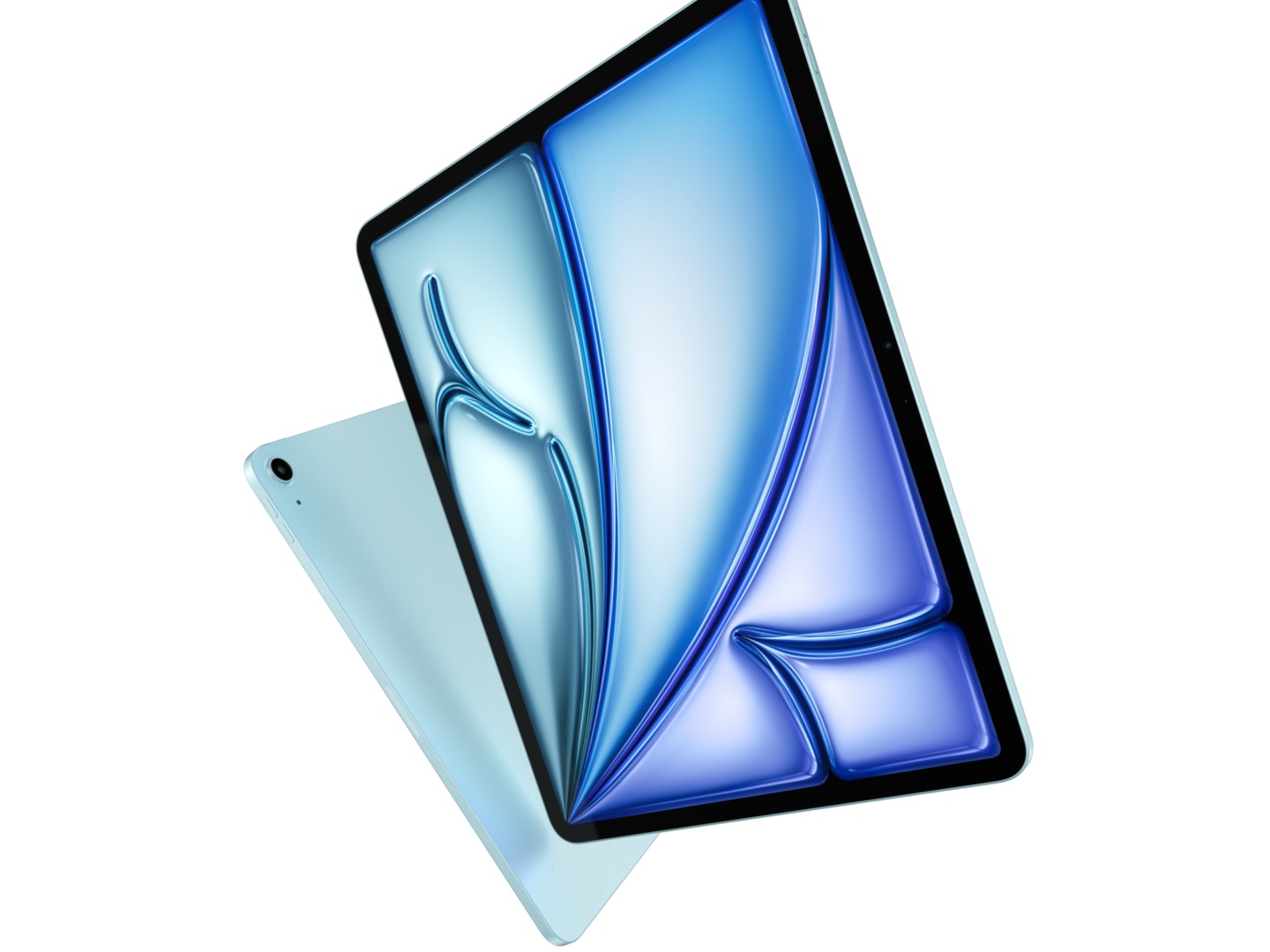
Apple’s OLED iPad Air could arrive next year, with Samsung Display expected to take a leading role
Apple may be preparing one of its most important iPad upgrades yet, as the next-generation iPad Air is expected to finally move to OLED display technology. After OLED screens made their way to other Apple devices, the iPad Air has remained one of the key models still waiting for the upgrade. That could change as early as next year.
According to a new industry report, Apple is working on an OLED iPad Air lineup that could launch in the early part of next year. Samsung Display is expected to supply a major share of the OLED panels, potentially making it Apple’s largest OLED supplier for iPad models in that period.
Samsung Display already plays a major role in Apple’s display supply chain. The company provides OLED panels for several Apple products, including iPhone models, select iPad Mini OLED panels, and OLED displays planned for MacBook Pro models. With the upcoming iPad Air OLED, Samsung’s role could become even more significant.
The report claims that Samsung Display will provide OLED panels for one of the two expected iPad Air screen sizes. Apple is estimated to ship around 4 million to 5 million units of the new OLED iPad Air. Chinese display maker BOE is also expected to supply some panels, but Samsung is still projected to hold the largest overall share of Apple’s iPad OLED orders next year.
The OLED iPad Air is not expected to use the same advanced display structure found in the iPad Pro. Apple’s premium iPad Pro models use tandem OLED technology, which improves brightness, efficiency, and panel longevity by stacking two OLED layers. The iPad Air OLED, however, is expected to use a single-stack OLED panel.
Apple is also expected to differentiate the iPad Air from the iPad Pro through display backplane technology. Instead of LTPO, which supports more advanced adaptive refresh rate features, the OLED iPad Air is expected to use LTPS technology. This should still deliver a major visual upgrade over LCD, including richer colors, deeper blacks, improved contrast, and a more premium viewing experience.
The move to OLED could make the iPad Air far more appealing to buyers who want a high-quality display without paying iPad Pro prices. The iPad Air has long been positioned as Apple’s balanced tablet option, offering strong performance and premium features at a more accessible price point than the Pro lineup. An OLED display would strengthen that position and could help Apple attract users who prioritize entertainment, creativity, and productivity.
The report also suggests that Apple has lowered its shipment expectations for OLED iPad Pro models. Sales of recent iPad Pro models have reportedly been weaker than expected over the past few years. While Apple was initially said to be targeting around 10 million units, actual demand appears to have fallen short. For 2026 and 2027, the shipment target is reportedly closer to 3 million to 4 million units.
If the OLED iPad Air launches early next year, it could become one of Apple’s most notable tablet updates in recent memory. With Samsung Display expected to supply a large portion of the panels, the device may also mark a major shift in Apple’s OLED strategy across the iPad lineup.
For consumers, the biggest takeaway is simple: the iPad Air could soon get a brighter, sharper, and more vibrant display, bringing it closer to the premium visual experience of the iPad Pro while likely maintaining a more affordable price point.