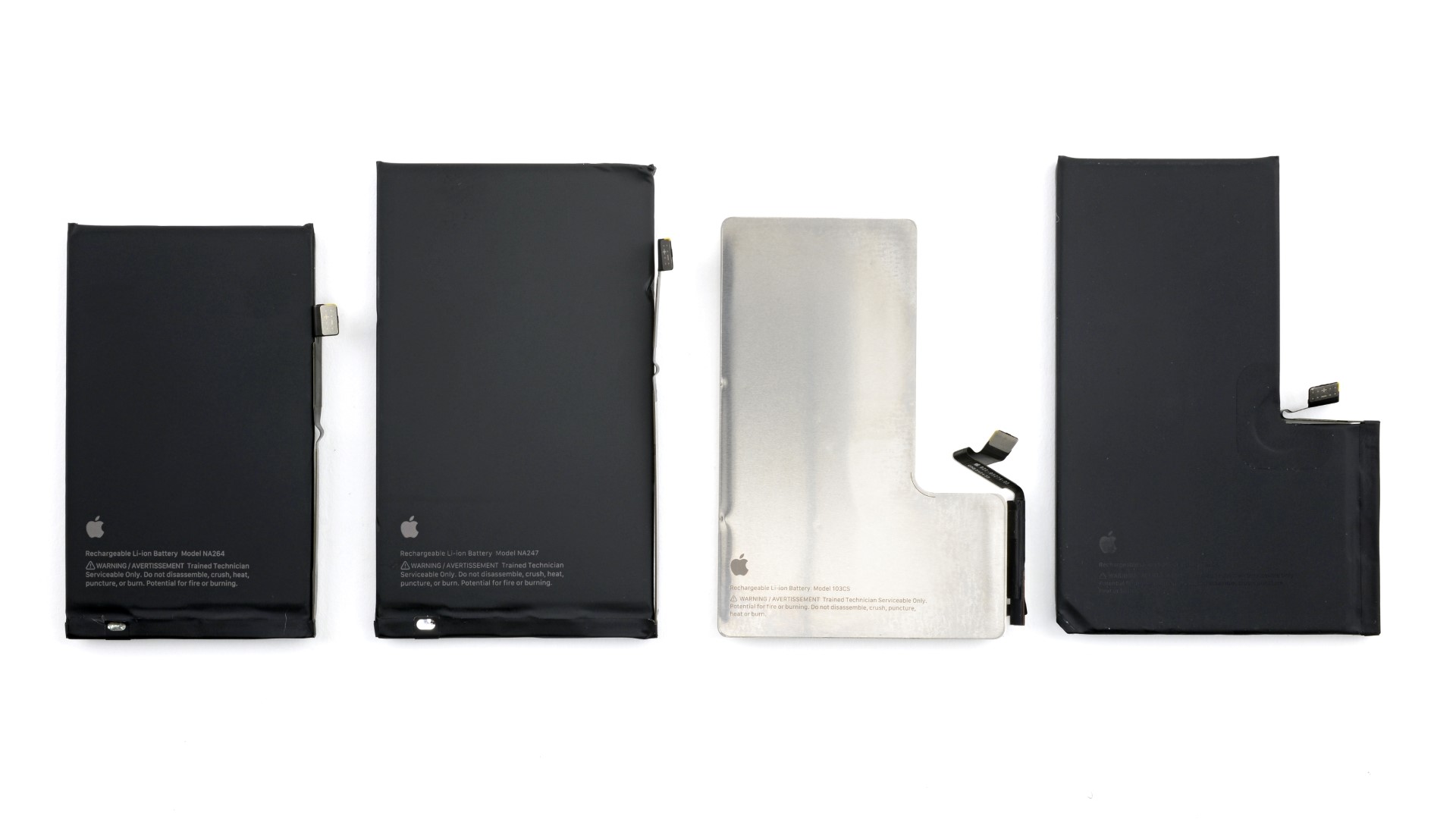
Chinese smartphone manufacturers are on a fast track, rapidly integrating silicon-carbon batteries into their devices. This advancement is particularly evident in smartphones with battery capacities exceeding 6,000mAh, offering users exceptional runtimes. In comparison, Samsung and Apple have maxed out their flagship batteries at 5,000mAh, as seen in the Galaxy S24 Ultra, with similar expectations for the Galaxy S25 Ultra.
Rumors suggest that these tech giants are exploring silicon-carbon battery technology to break past this capacity ceiling. Industry whispers indicate that Samsung is actively participating in developing these advanced cells, although specific details about which flagship will first debut this technology remain scarce.
The transition to silicon-carbon batteries is driven by the need to surpass the 5,000mAh limit. Xiaomi has already embraced this technology with the Redmi Turbo 4, featuring a massive 6,550mAh battery. Such mid-range phones often have fewer features than premium models like the iPhone 16 Pro Max and Galaxy S24 Ultra, allowing them the space to house larger batteries without trade-offs.
High-end smartphone makers face a more complex challenge. Samsung and Apple engineers must strategically navigate the internal space constraints of their devices to incorporate larger batteries while preserving key features. This endeavor is not only complex but also time-intensive and costly.
For Samsung, the rumor mill suggests direct involvement in developing silicon-carbon battery materials. However, Apple’s progress remains more enigmatic, with expectations that they might adopt the technology later, given their historically conservative pace in embracing new industry standards.
The potential of these advanced batteries is tantalizing. As power-efficient components become more refined and software optimizations improve, the key to significantly longer runtimes may well lie in these revolutionary battery technologies. It’s time for Samsung and Apple to harness this innovation, ensuring that their devices can keep up with user demands for more power.


