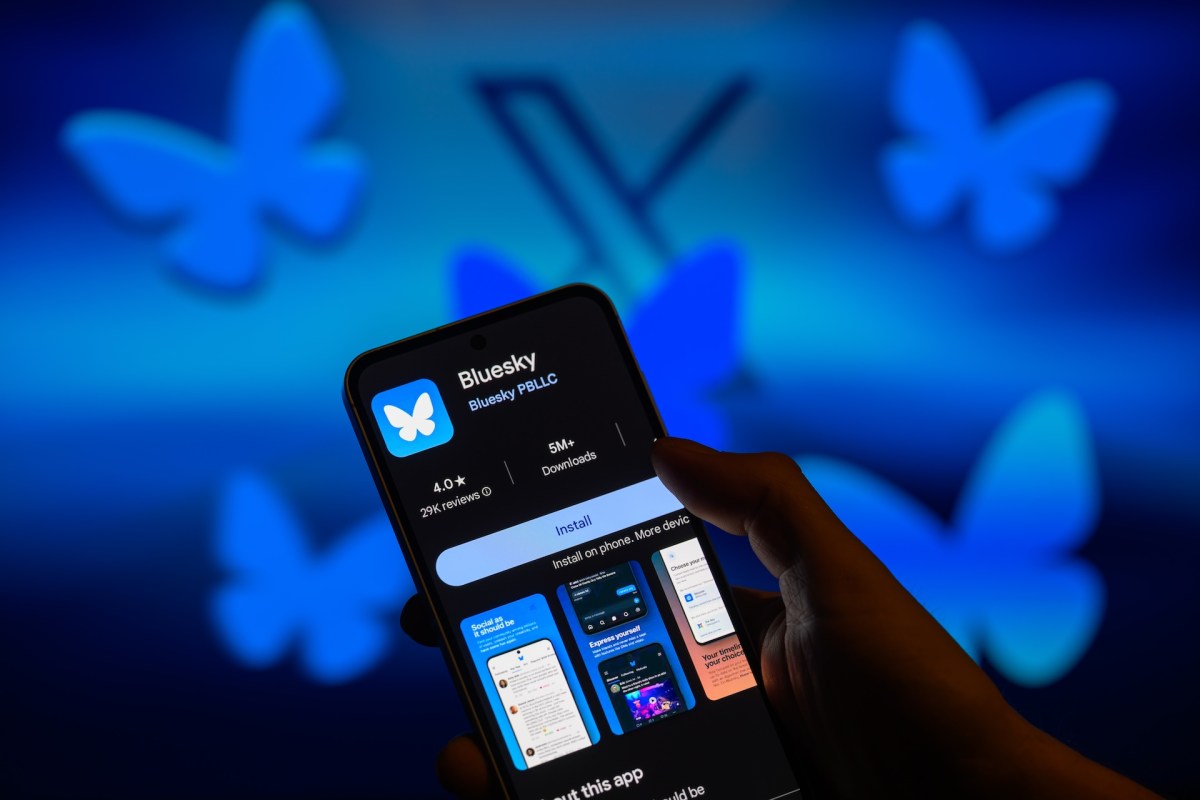
In a bold move to reshape the world of social networking, Bluesky, the emerging alternative to Twitter, is steering away from the conventional pay-for-verification model embraced by platforms like Meta and X. During a recent livestream, Bluesky unveiled its unique vision for user account verification, which could significantly enhance the user experience and broaden its community appeal.
Instead of charging users for verification—essentially selling the blue checkmark that confirms their identity—Bluesky is considering a pioneering system that welcomes multiple verification providers. Presently, users on Bluesky can secure their verification by adopting a custom domain name. For instance, the account @nytimes.com on Bluesky signifies the official handle of The New York Times. Bluesky tackles impersonation issues on a case-by-case basis, ensuring the integrity of its platform.
Moving forward, Bluesky envisions an ecosystem where several verification providers can coexist. Jay Graber, CEO of Bluesky, expressed the possibility of Bluesky being just one of many verification options. Under this model, users could choose to trust Bluesky’s verification team or seek authentication through other services. Such a decentralized approach promises to diversify the verification process and challenge the notion that only a single entity should control it.
This shift is a refreshing take compared to traditional systems used by platforms like Twitter. Historically, Twitter’s verification process has been inconsistent, leading to claims of favoritism and complexity. Even with Elon Musk’s attempt to democratize the system by allowing anyone to pay for verification, it led to widespread impersonation issues, diminishing the value of the verified check. Similarly, Meta’s approach to paid verification focuses primarily on creators and businesses.
Bluesky’s innovative strategy opens the doors for various types of verification. For example, a university could authenticate its alumni, or a fan community like the Swifties could recognize official members. This system empowers users to develop their own criteria and policies for verification, potentially creating diverse and inclusive standards.
A key challenge for Bluesky lies in simplifying this multi-faceted verification process for users. Practical solutions could involve developing distinct badges or symbols representing different verification types, which third-party apps might display uniquely.
In terms of growth, Bluesky has expanded rapidly, especially after Musk’s policy changes at X, and now boasts over 22.7 million users. This surge in popularity has prompted competitors like Meta’s Threads to introduce similar Bluesky-like features in a bid to catch up.
Looking ahead, Bluesky’s team is also exploring ways to connect users’ profiles to their broader online presence, potentially integrating links to personal websites and other social media accounts. While specific features and timelines remain in development due to the company’s swift growth, Bluesky’s blueprint promises a dynamic future for social networking verification.