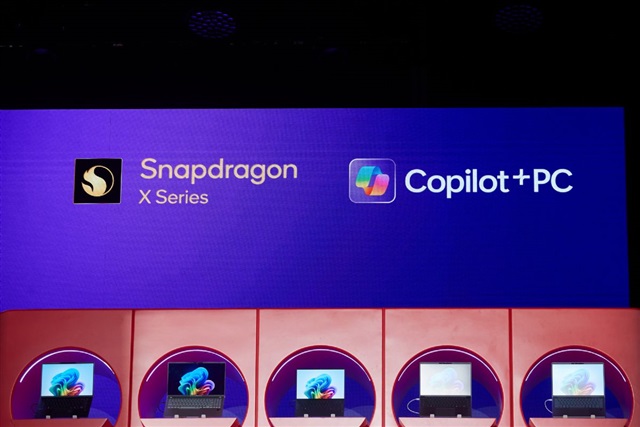
Qualcomm’s recent triumph in its patent dispute with Arm has captured the attention of industry analysts, prompting a reevaluation of licensing practices across the semiconductor industry. This pivotal US jury verdict supports Qualcomm’s rights to utilize technology it acquired, potentially setting a precedent that could reshape the landscape of semiconductor licensing agreements. Such legal developments have significant ramifications for how companies negotiate and enforce their technology licensing deals.
By successfully defending its use of acquired technology, Qualcomm not only fortifies its own position but may also influence how other companies approach their licensing strategies. This outcome could encourage greater innovation and collaboration, as businesses seek new avenues for growth while ensuring legal protection for their intellectual property.
The ruling opens the door for potential shifts in how technology transactions are negotiated and settled, possibly prompting a more nuanced approach to defining the scope and limitations of such agreements. As a result, companies in the semiconductor sector might need to reassess their licensing tactics to align with the evolving legal landscape.
In the wake of this legal victory, the spotlight is on Qualcomm and how it navigates its future licensing engagements. This case could serve as a blueprint for industry players looking to safeguard their innovations and maximize the value of their technological investments. As the dust settles, it’s clear that Qualcomm’s battle is more than a legal skirmish—it’s a catalyst for a larger conversation about the future of semiconductor technology licensing.


