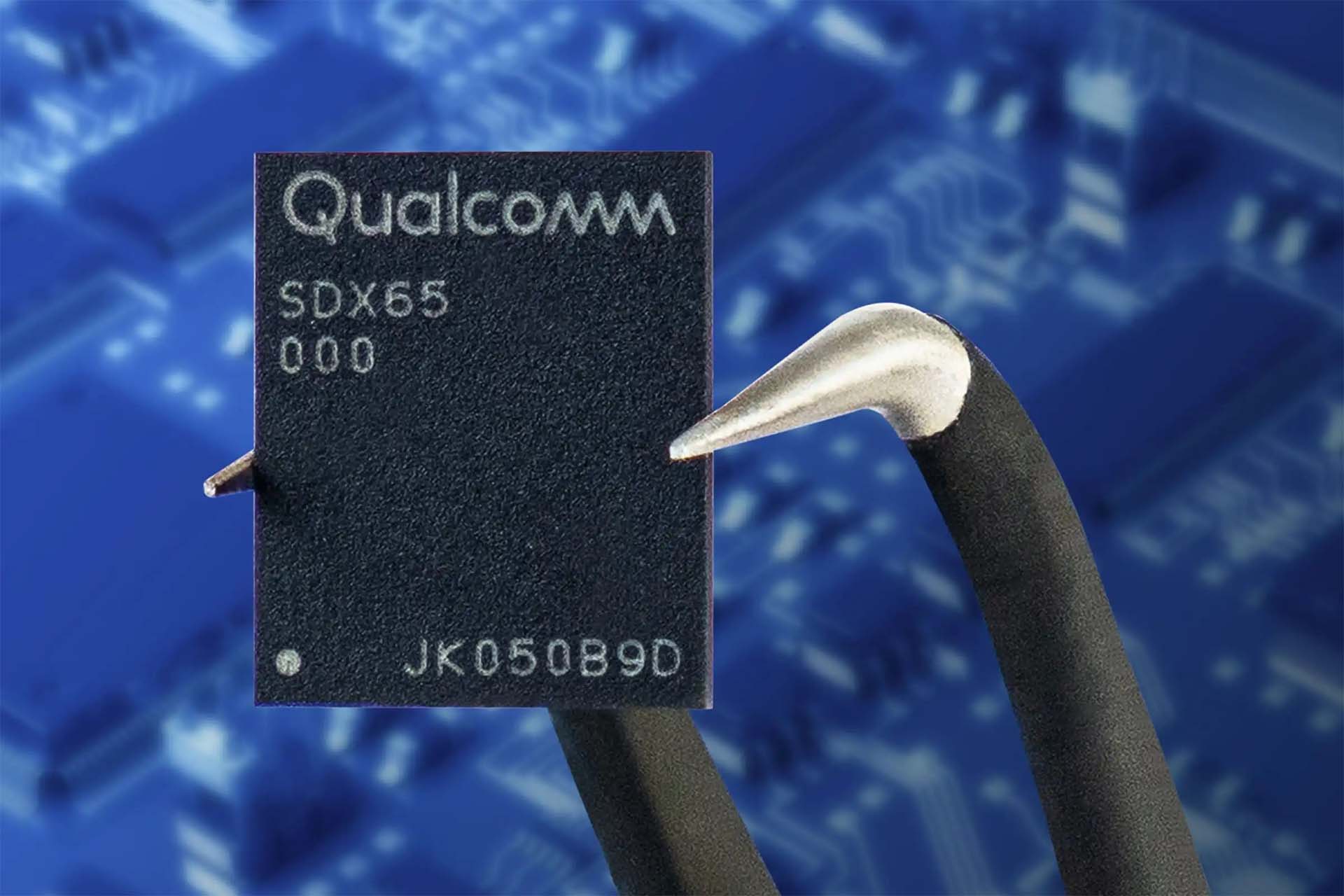
Qualcomm might be best known for its smartphone and tablet chipsets, but the company is gearing up for change as it navigates a shifting landscape. With Apple soon to exit as a customer, Qualcomm is keenly aware of the need to diversify its business. The company’s recent earnings call revealed a robust performance, with fiscal Q2 2025 earnings hitting $10.84 billion, surpassing expectations and showing a healthy rise in chipset sales.
Chipset sales climbed 12 percent annually. However, Qualcomm faces new hurdles, particularly from Chinese firms eager to forge their own paths. The company’s net income saw a boost to $2.81 billion, up from $2.33 billion the previous year. This growth is partly attributed to the success of the Snapdragon 8 Elite, notably popular with Samsung. Qualcomm hopes to sustain this momentum with the expected release of the Snapdragon 8 Elite Gen 2 in September.
Despite recent successes, rising wafer costs pose challenges, potentially increasing expenses for chipset production and impacting Qualcomm’s phone partners. With Apple’s 5G modem licensing agreement ending in 2027 and the company’s own 5G chip already in development, Qualcomm could soon lose a significant revenue stream.
Additionally, Huawei’s strong presence in the Chinese market with its Kirin SoCs, along with rumors of Xiaomi’s custom chipset debuting soon, could further pressure Qualcomm’s market share.
CEO Cristiano Amon emphasized the company’s focus on diversification during the earnings call. Qualcomm’s automotive sector grew by 59 percent annually, and the IoT sector saw a 27 percent increase in revenue. We can expect to see more advanced chipsets in Windows laptops next year, followed by Meta’s headsets. While Qualcomm is bracing for future challenges, the real question is whether these efforts in diversification will compensate for potential revenue losses. Only time will tell.


