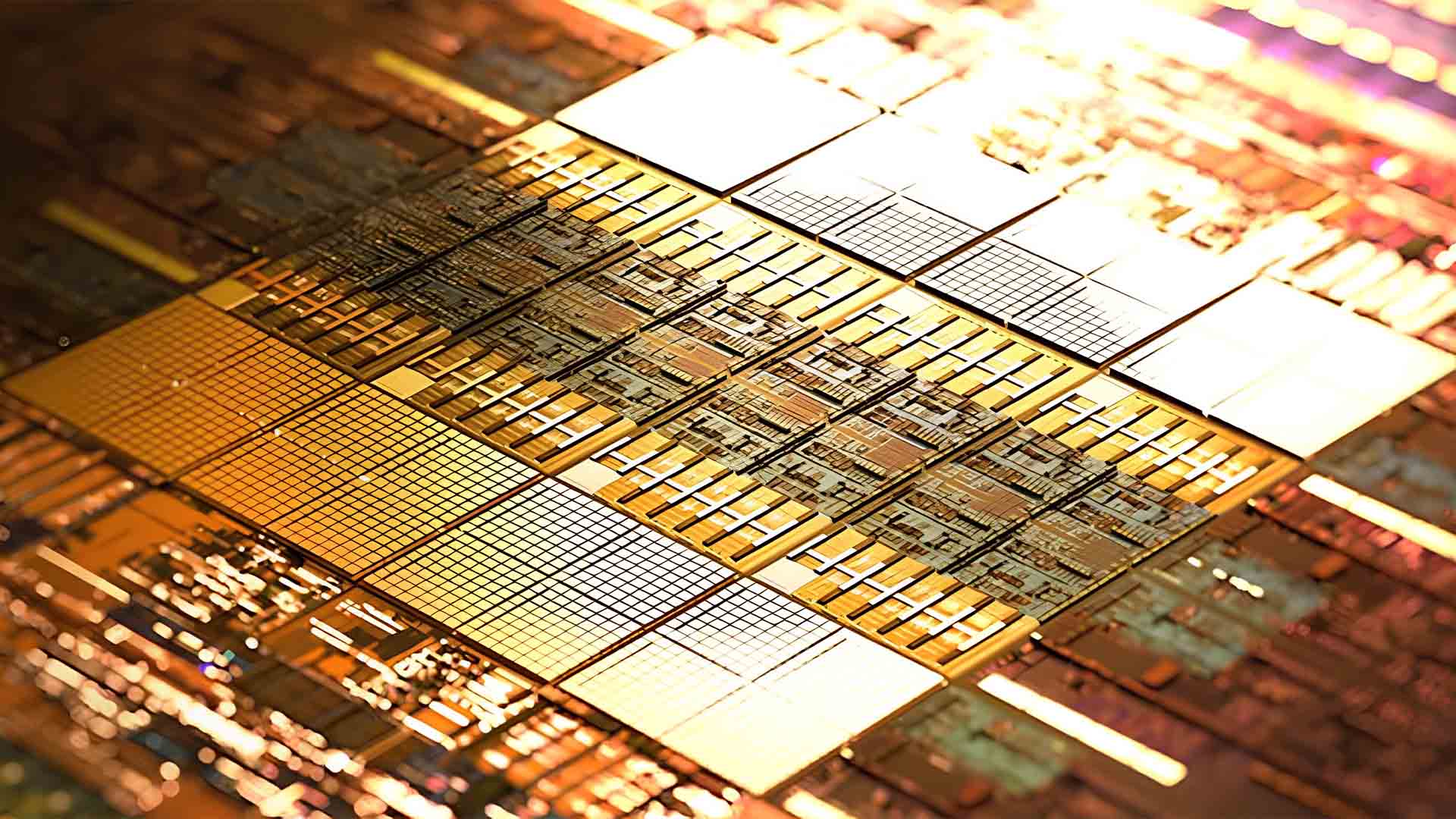
As the demand for advanced semiconductor technology skyrockets, several industry powerhouses, including NVIDIA, Apple, AMD, and Qualcomm, are reportedly considering raising the prices of their products. This shift in pricing strategy is emerging in response to the intensified demand for Taiwan Semiconductor Manufacturing Company’s (TSMC) neoteric 3nm process, which has become the linchpin for AI hardware production.
TSMC’s 3nm process is fast becoming the “Holy Grail” for tech markets due to its advanced capabilities in meeting the high demands of AI applications. It’s reported that the entire supply of TSMC’s cutting-edge 3nm process has been booked by the top industry leaders until 2026. Even as TSMC has markedly increased its production capacity for its 3nm products, the insatiable industry demand has peaked.
Currently, the N3 technology, which is TSMC’s 3nm offering, is already heavily employed in AI accelerators, and the anticipation is high for its broader implementation in mobile devices through the N3P node. This burgeoning demand has brought about speculation on future pricing strategies for semiconductors and the tech products they empower.
While TSMC has not officially announced any immediate price increases, the company’s track record shows price adjustments that align with the intrinsic value of its processes. Notably, TSMC has expressed a strategic commitment to working cooperatively with its primary partners, which indicates the potential for keeping prices stable for its closest collaborators while facing supply scarcity. Nonetheless, in the face of the current high demand, it seems plausible that chip manufacturers might find themselves compelled to elevate their prices, which could, in turn, influence the broader integrated circuit design industry.
Further compounding the issue, TSMC is planning to expand, transitioning some of its 5nm production to the more sought-after 3nm lines and targeting a significant increase in monthly wafer output. This move could mitigate some of the supply issues. However, the impending introduction of Intel’s Lunar Lake, also utilizing TSMC’s 3nm technology, could introduce yet more demand that the industry has not fully accounted for.
While it’s not definitive that consumer electronics will experience a cost surge as a direct consequence of these 3nm production constraints, consumers and businesses alike should prepare for the possibility. The shift in manufacturing processes, combined with the unprecedented demand from major tech corporations, signals a potentially higher price point on the horizon for the latest semiconductor-driven devices.
Staying abreast of these developments is crucial for stakeholders in the technology sector, as they could influence product development timelines, launch strategies, and ultimately, market dynamics. Technology enthusiasts and consumers will need to keep a watchful eye on how these changes may impact their purchases and investments in the coming years.


