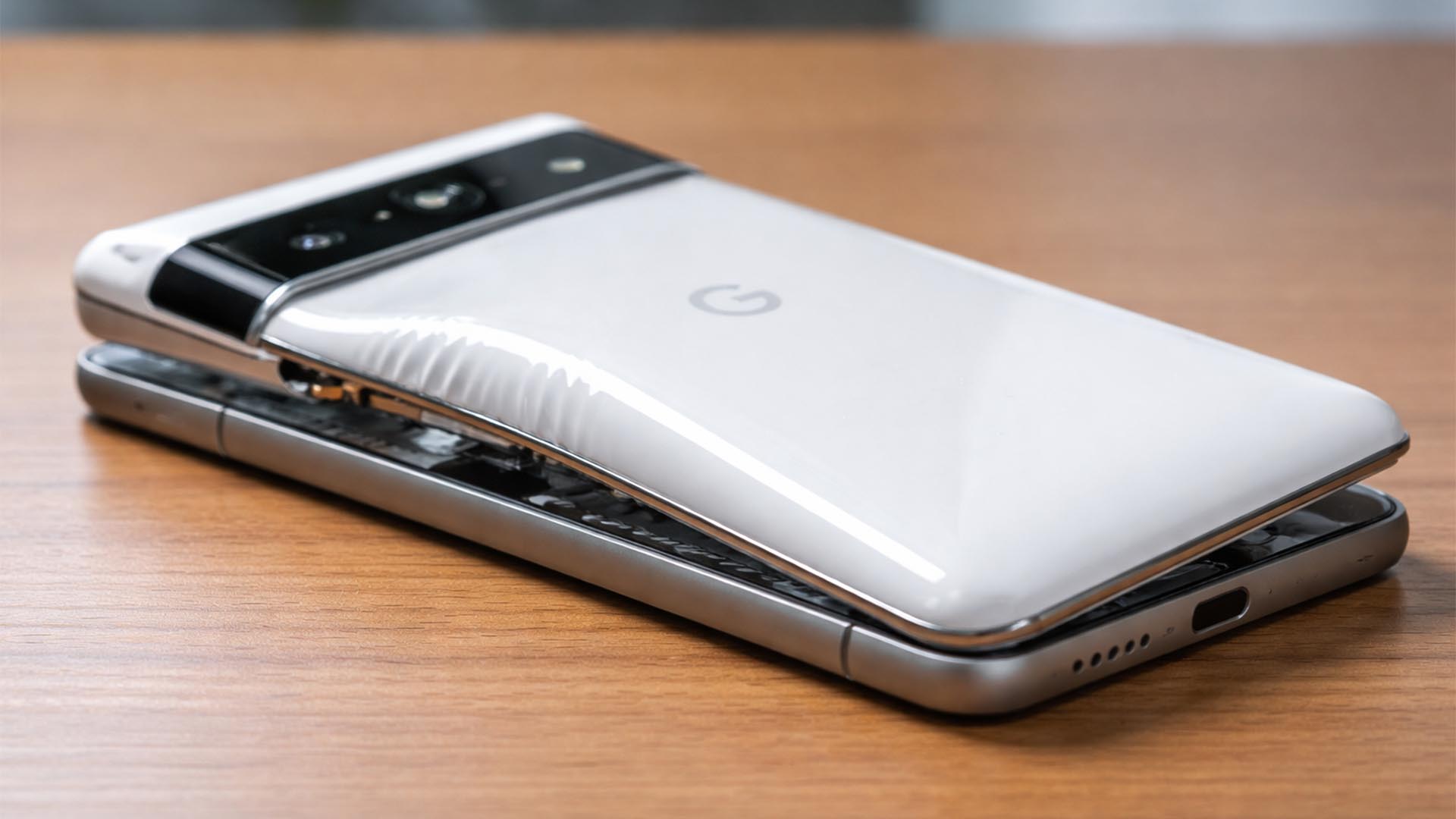
Filing a warranty claim for a phone can be frustrating on a good day. When the problem is serious, like a swollen battery, most people expect the service process to be straightforward: inspect the device, confirm the fault, and repair or replace what’s needed. But one recent incident at a Google service center in Delhi, India, suggests some customers may instead be met with questionable explanations that shift blame away from the device itself.
According to a post shared on X by @Pmkphotoworks, a woman brought her Pixel smartphone to the service center after the battery swelled. When she asked what caused the swelling, the representative responded by asking which charger she used. She answered that she had been charging the phone with a Samsung adapter. The representative then claimed that using a Samsung charger was the reason the Pixel’s battery had swollen.
That explanation doesn’t line up with how modern smartphone charging typically works. Reputable, standards-compliant chargers from major brands are designed to negotiate the correct voltage and current with the device. In other words, a genuine Samsung charger should function like any other quality charger, delivering power within safe limits based on what the phone requests. Simply using a charger from a different phone brand, by itself, is not a credible reason for a battery to swell.
The post does not confirm whether the customer ultimately received a battery replacement or any warranty support. Still, the interaction highlights a common concern many consumers have when seeking repairs: the possibility that a service representative may try to deny service by pointing to something easy to question, such as an accessory choice, rather than focusing on the underlying failure.
Battery swelling is typically linked to factors like heat, battery age, repeated stress from long-term charging cycles, manufacturing defects, or physical damage. Prolonged exposure to high temperatures, frequent heavy use, and charging habits that keep the phone hot for extended periods can all contribute. If using another brand’s charger were truly enough to cause swollen batteries, it would be happening at scale—especially in markets where people regularly mix and match chargers or use third-party power adapters.
This situation also lands amid broader conversations about Pixel reliability. Over the years, Pixel phones have faced recurring reports of both hardware and software issues, with overheating frequently mentioned. There have also been cases where overheating concerns led to software changes intended to reduce risk, including updates that limit battery capacity and alter charging performance after a certain number of charge cycles. Those kinds of mitigations may help safety, but they also raise questions about whether the long-term solution should be stronger battery quality control and better thermal management, rather than leaving customers to argue about accessories at a service counter.
For Google, customer trust is built or lost in moments like these. A swollen battery is not a minor inconvenience—it’s a safety concern. If service experiences turn into a blame game, frustrated buyers may decide their next phone will come from a competitor. In a market where switching from Pixel to iPhone or Samsung is easy, after-sales support can matter just as much as camera features and software updates.