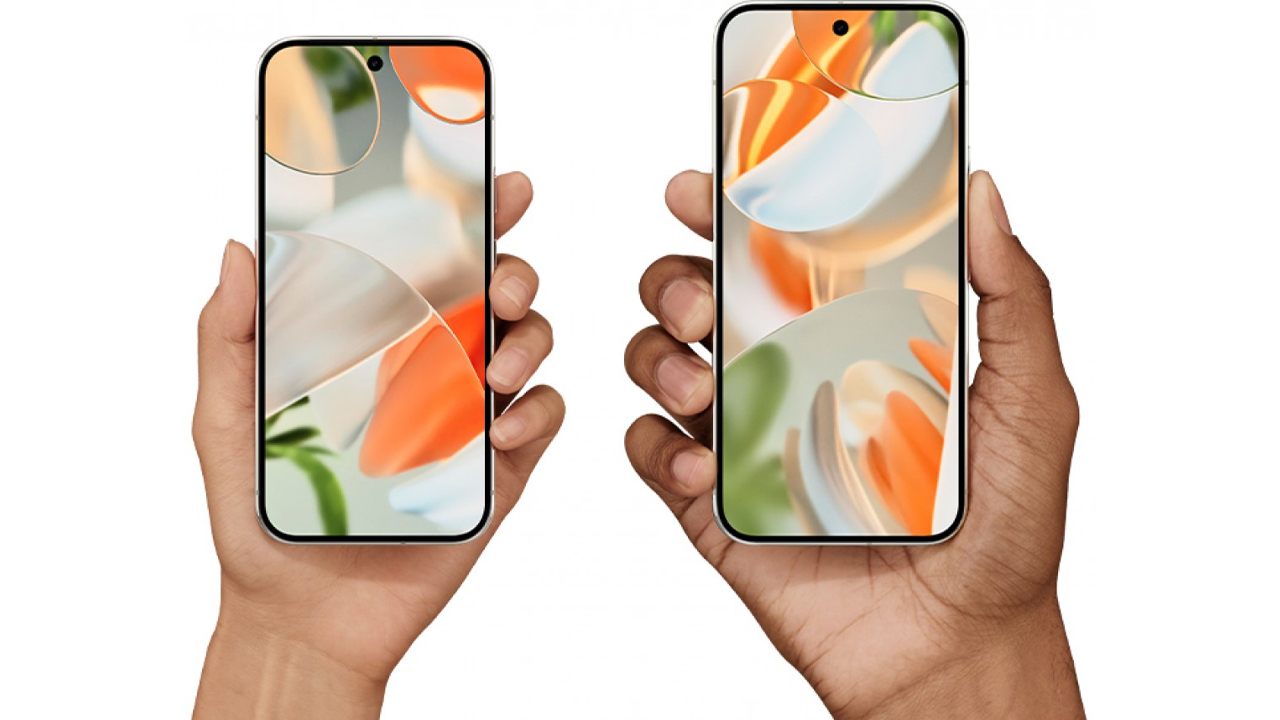
When evaluating the camera capabilities of flagship smartphones, discerning users often look for detailed comparisons to make an informed purchase. The recent head-to-head comparison of the camera performances between Google’s Pixel 9 XL and Apple’s iPhone 15 Pro has brought some intriguing findings to light. This rivalry is particularly interesting as it pits the best from Google against formidable competitors like the upcoming Samsung Galaxy S24 Ultra and the iPhone 15 Pro Max models.
Starting with selfie cameras, the Pixel 9 XL has demonstrated a noteworthy edge over its counterpart. Its front-facing camera offers a wider angle, which is beneficial for users looking to include more in their frame, from group selfies to expansive background scenes. Complementing this wider scope, the Pixel 9 XL’s photos exhibit higher contrast and saturation, which presents a more striking image overall. Even more, Google’s strides in RealTone technology contribute to a realistic representation of skin colors, adding to the natural appearance in selfies.
Rear cameras on the Pixel 9 XL further cement Google’s prowess in photography. Sporting a 48 MP ultrawide and a 50 MP wide camera, these optics deliver consistent color reproduction and cooler-toned imagery that appears sharper when closely inspected. High-contrast scenes are managed with greater finesse by the Pixel 9 XL, achieving a better balance between light and shadow nuances.
An evident difference is observed in zoom capabilities, illustrated by an example where the Pixel 9 XL captured more details in the darker areas of a plane’s service door compared to the iPhone 15 Pro. Yet, in portrait mode, the iPhone 15 Pro stands out with its impressive subject separation, offering crisp edge delineation against the background blur—a feature that could potentially be enhanced in the Pixel 9 XL through future software refinements.
The Pixel 9 XL shines in low-light photography as well. Rather than artificially brightening all aspects of a scene, it maintains its characteristic punchy look with more realistic colors under warm artificial lighting, which commonly perplexes camera sensors.
Video performance and stabilization are areas where distinct differences come to the fore. Both devices manage to produce high-quality footage, but the Pixel 9 XL tends to produce sharper results—a preference that may vary among users. Its optical image stabilization (OIS) presents more adept panning movements and smoother walking recordings, although some frame rate irregularities in bright conditions could detract from the overall experience.
Price-point discussions are inevitable when considering such high-end devices. The Pixel 9 XL, retailing at around $1,099, justifies its price tag with the same camera hardware and processing power as the slightly more affordable Pixel Pro variant.
Considering these findings, potential buyers must weigh their preferences for photographic characteristics, such as selfie capabilities, skin tone accuracy, zoom clarity, low-light performance, video quality, and image stabilization. Those looking for comprehensive camera abilities and specific processing styles will find the decision between Google’s Pixel 9 XL and Apple’s iPhone 15 Pro to be a compelling one. Each device has its unique strengths and areas for improvement, which should be part of the purchasing decision for any discerning smartphone photographer or videographer.


