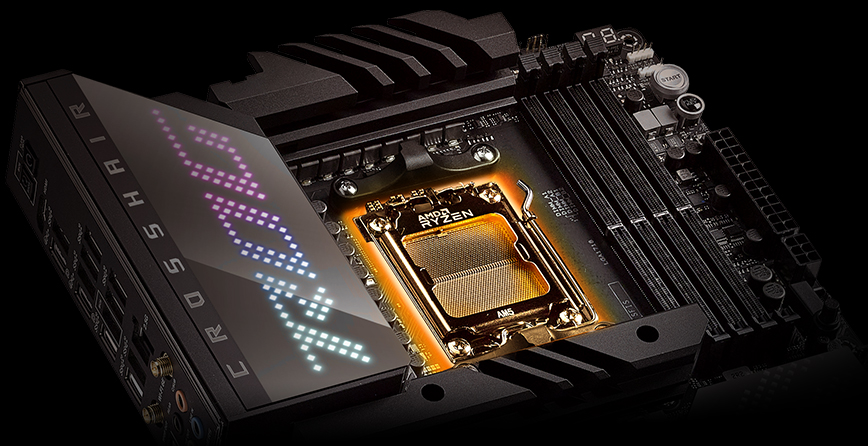
Attention AMD X670E motherboard users: A serious bug is causing your PCIe 5.0 SSDs to slow down dramatically, plummeting to the outdated speeds of PCIe Gen 1. This performance drop is not limited to any single motherboard brand; it spans multiple manufacturers, leaving many users frustrated with system freezes and boot failures.
Initially, the PCIe Gen 5 SSDs operated at their expected high speeds, but users soon began to notice alarming declines in performance. Worse, filling both the Gen 5 SSD slot and the Gen 5 graphics card slot exacerbates the issue, leading to system crashes and failures to boot into Windows.
Crucial, the company behind the T700 and T705 SSDs, conducted investigations and pinpointed the issue to the X670E motherboards. Testing various boards and configurations, they managed to replicate the performance slowdowns consistently. According to Crucial, this problem surfaces when a Gen 5 SSD is connected to a Gen 5 slot on the motherboard. They suggest that switching your SSD connection to Gen 4 should resolve the issue for now.
The actual cause remains elusive, but some speculate that the primary PCIe 5.0 slot for graphics cards may be drawing too much bandwidth from the first Gen 5 SSD slot, impacting overall performance. Temporary fixes include switching to a PCIe 4.0 SSD or running the graphics card at Gen 4 speeds, but these are less than ideal solutions for those who invested in PCIe 5.0 technology.
In response, motherboard manufacturers like MSI have started rolling out BIOS updates, which have alleviated the problem for some users. However, not everyone has reported success with these updates, indicating that more work needs to be done.
For now, Crucial advises affected users to contact their motherboard manufacturers for BIOS updates aimed at resolving this issue. Keep an eye out for any new updates that could provide a permanent fix.
It’s a tough break for those who invested in the cutting-edge technology of PCIe 5.0, but rest assured, manufacturers are aware and working on solutions. Stay tuned for updates to keep your systems running at their best.