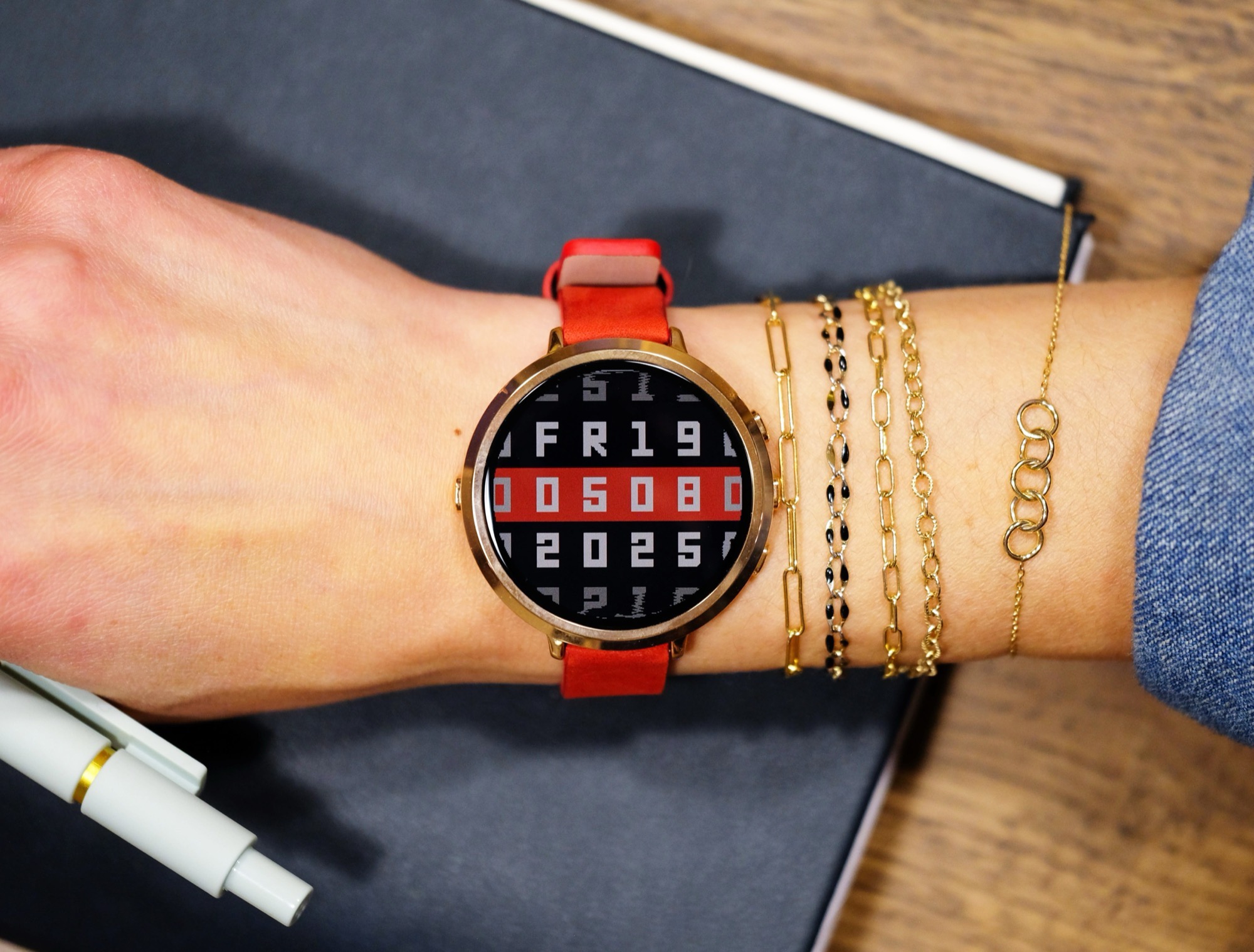
Pebble Time 2 and Pebble Round 2 are getting a major software upgrade that could make them far more useful than typical smartwatches. The upcoming Pebble OS update will introduce plugins, a new system designed to let apps and watch faces share data and actions in a more flexible way.
Pebble’s return has already attracted attention thanks to its familiar strengths: efficient MiP displays, impressive battery life, and an open-source operating system. With the Pebble Time 2 and Pebble Round 2, the revived smartwatch brand is leaning into what made Pebble popular in the first place while adding modern features that could help it compete in today’s wearable market.
The biggest new feature is plugin support for Pebble OS and its developer tools. These plugins are described as lightweight, background-style apps that can provide information or perform actions for other apps and watch faces. Instead of each developer building the same features separately, a plugin can supply useful data such as weather updates, stock prices, reminders, notes, traffic information, or calendar events.
Plugins can also go beyond showing information. They may be used to trigger actions such as controlling music playback, managing smart home devices, or connecting with web-based automation tools. This could make Pebble watch faces much more dynamic, allowing them to display relevant real-time information in creative ways.
One of the most important details is how the system is designed to protect battery life. The JavaScript code needed for plugins will run on the connected smartphone rather than directly on the smartwatch. That means the Pebble Time 2 and Pebble Round 2 should be able to benefit from smarter features without sacrificing the long battery life that Pebble devices are known for.
For developers, the plugin system could be a major time-saver. Instead of coding common features like weather, finance, or calendar support from scratch, app and watch face creators can rely on existing plugins. This should make development faster while encouraging a wider range of useful Pebble apps and watch faces.
Pebble founder Eric Migicovsky has compared the concept to Apple Watch complications, but with more freedom. While complications usually place specific pieces of information in fixed areas, Pebble’s plugins are expected to offer developers more control over how data appears, how it is styled, and how it can be integrated into watch faces. That flexibility could help Pebble stand out in a smartwatch market that often feels locked down.
Privacy and permissions are also part of the plan. Users will need to approve access to sensitive information separately for each app and each watch face. This should help prevent plugins from accessing personal data without clear permission.
The plugin update could become one of the most important improvements to Pebble OS since the platform’s revival. By combining open-source development, customizable watch faces, practical data sources, and smartphone-powered processing, Pebble is aiming to create a smartwatch experience that is both efficient and highly personal.
For fans of the original Pebble watches, this update may feel like a natural evolution of what made the brand special: long battery life, simple usability, and deep customization. For new users considering the Pebble Time 2 or Pebble Round 2, plugin support could make these smartwatches much more appealing as flexible alternatives to mainstream wearable devices.