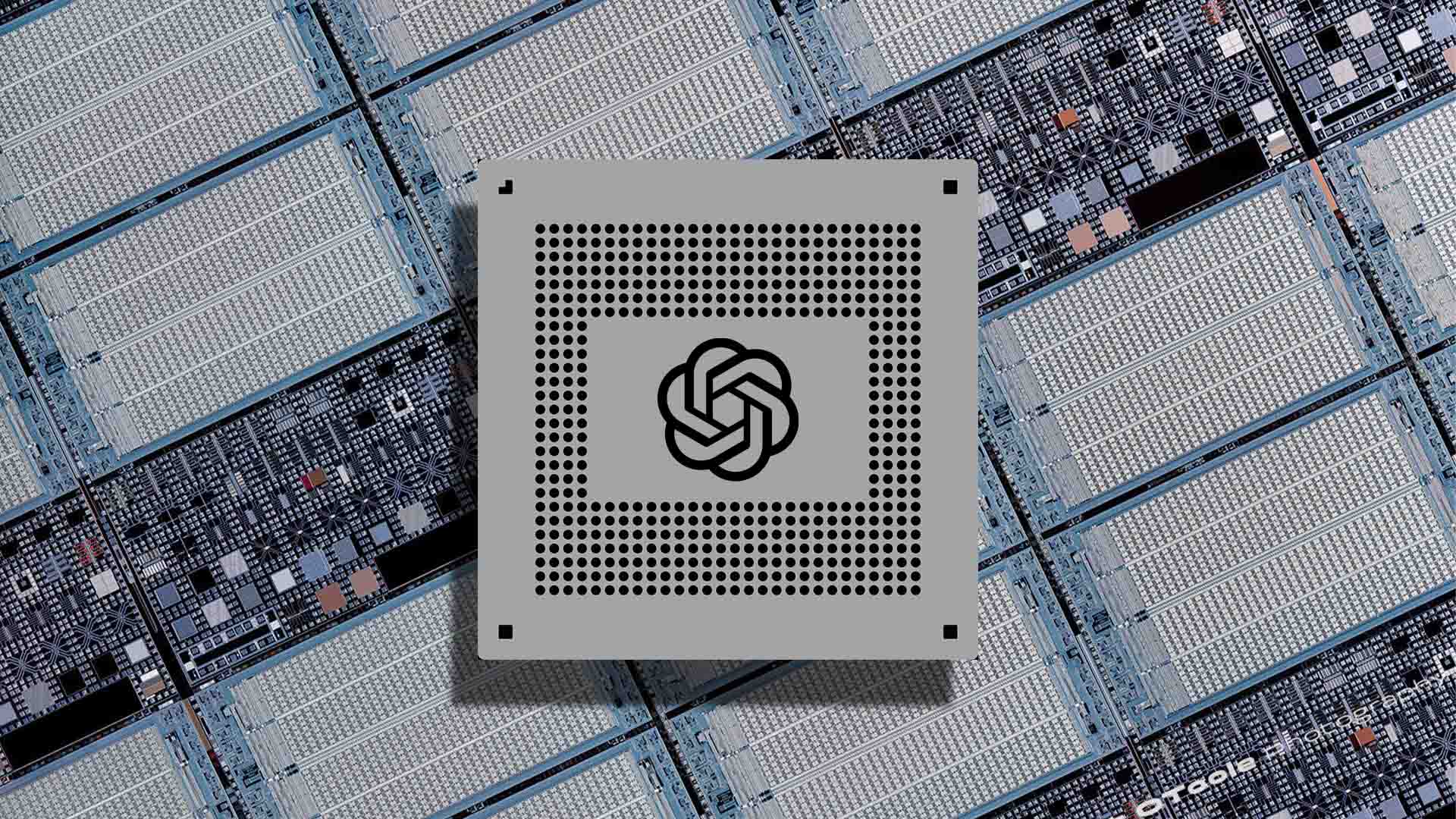
OpenAI is embarking on an ambitious journey to reduce its dependency on NVIDIA’s GPUs by crafting its own custom AI chip. This move is a pivotal step for the tech company, best known for developing ChatGPT, and it seems like significant progress has been made, according to recent reports. OpenAI is reportedly nearing the completion of its silicon design, with final touches expected to be wrapped up in the next few months. Should this process proceed smoothly, the company plans to send the completed design to TSMC for tape-out potentially within the first half of the year.
Initially, this custom AI chip will serve a specific purpose: powering AI models. While OpenAI’s path may be strewn with challenges, the company is clearly committed to achieving its vision. Reports indicate that the tape-out phase, which will span six months, demands a hefty financial investment running into millions. Interestingly, if OpenAI pays extra, TSMC could expedite the chip production. Nevertheless, there’s no definitive assurance of a seamless first attempt—any issues would necessitate another round of tape-out to address the flaws.
In a twist, there were past hints about OpenAI considering TSMC’s A16 Angstrom technology for its Sora video generator. Whether this aligns with the AI chip under current development remains unverified. Heading this crucial venture is Richard Ho, alongside a team of 40 skilled professionals. Broadcom is also lending a helping hand, although the scope of their involvement isn’t fully disclosed.
The name of OpenAI’s in-house chip is still under wraps, but its primary functions will encompass training and executing AI models. Initially, these capabilities will be limited, but there’s potential for expansion based on OpenAI’s deployment strategy. If all progresses as anticipated, mass production could kick off by 2026, with TSMC applying its 3nm technology, combining systolic array architecture with High Bandwidth Memory (HBM)—a technique also employed by NVIDIA in their AI GPUs. This strategic move could fundamentally enhance OpenAI’s technological autonomy, pushing the boundaries in the AI landscape.