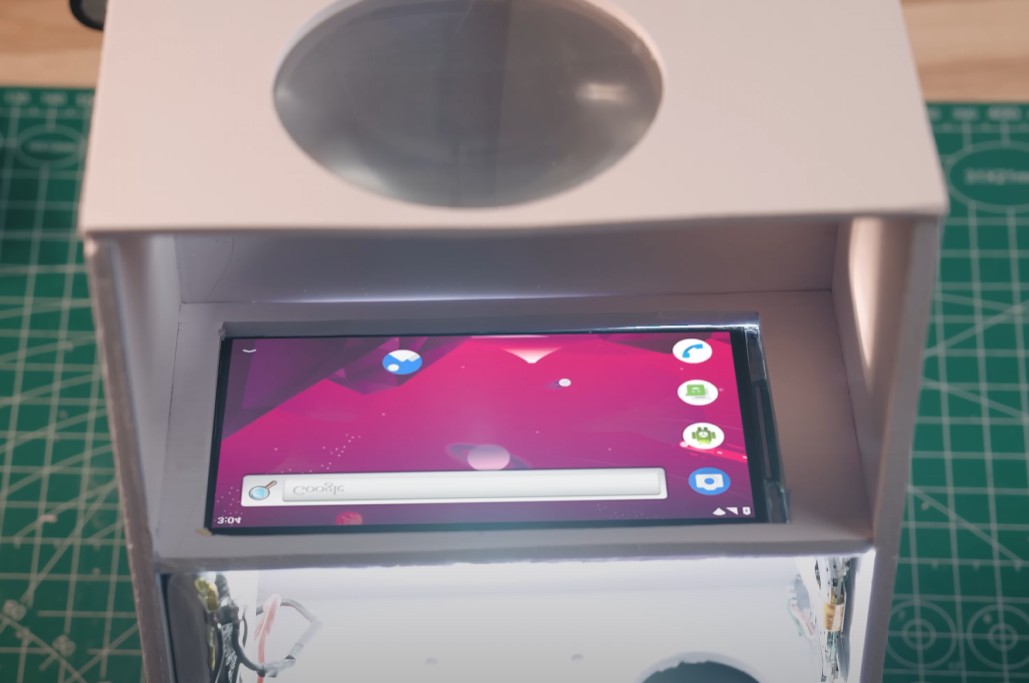
Vaping can be a practical harm-reduction tool, but the disposable vape trend is an ecological nightmare. Hundreds of thousands of these tiny, complex gadgets are tossed every single day—about 500,000 in the U.S. alone according to 2023 figures—most after just a couple of days of use. Scale that globally and the problem balloons, which is why some governments have already moved to restrict or ban them. It’s hard to justify the engineering effort, materials, and energy that go into something designed to become trash almost immediately.
One ingenious project shows just how much potential we casually throw away. Engineer and tinkerer Bogdan Ionescu took a discarded disposable vape and transformed it into a functioning web server. Inside the device, he found a humble PY32F002B microcontroller—about as bare-bones as they come. Despite its limitations, he reverse engineered the hardware, wrangled the firmware, and got it online.
Here’s the clever twist: the vape’s electronics don’t include any native networking at all. Instead, he repurposed the USB serial interface to operate like a 56K modem, using what appears to be a standard telephone line to reach the internet. It’s a retro, dial‑up throwback that makes the whole experiment both technically charming and surprisingly effective. The result is a minimalist “VapeServer” that actually hosts a webpage—proof that even the simplest, cheapest microcontrollers can do real work when you’re willing to dig in and experiment.
The technical write-up behind this hack is a testament to skill and patience, but the broader message is just as compelling: the parts we toss contain real value. Batteries, microcontrollers, sensors, enclosures, and charging circuits in disposable vapes are more than capable of living a second life. People already repurpose them as power banks, but this project shows the possibilities go much further—from basic servers and educational electronics to tiny IoT experiments.
The environmental case is hard to ignore. Each disposable vape combines a lithium-ion cell, plastics, metals, and circuitry that are costly to produce and difficult to recycle. Multiplied by hundreds of thousands per day, the e-waste impact is staggering. Choosing refillable, repairable vaping solutions—or skipping disposables altogether—cuts down on waste. And for devices already headed to the bin, responsible recycling or creative upcycling can keep materials in use and out of landfills.
If you care about sustainability, this story is your reminder that innovation doesn’t always require buying new. Sometimes it looks like opening up a throwaway gadget and finding out what it can really do. The VapeServer is a quirky, brilliant example of that ethos: turn trash into tech, highlight the absurdity of disposable design, and inspire others to rethink what’s possible with a little curiosity and a lot of persistence.
Quick note for would‑be tinkerers: if you try your own upcycling projects, handle lithium batteries with care and follow safe electronics practices. Responsible experimentation can be both fun and planet‑friendly—and it might just spark the next great DIY idea.