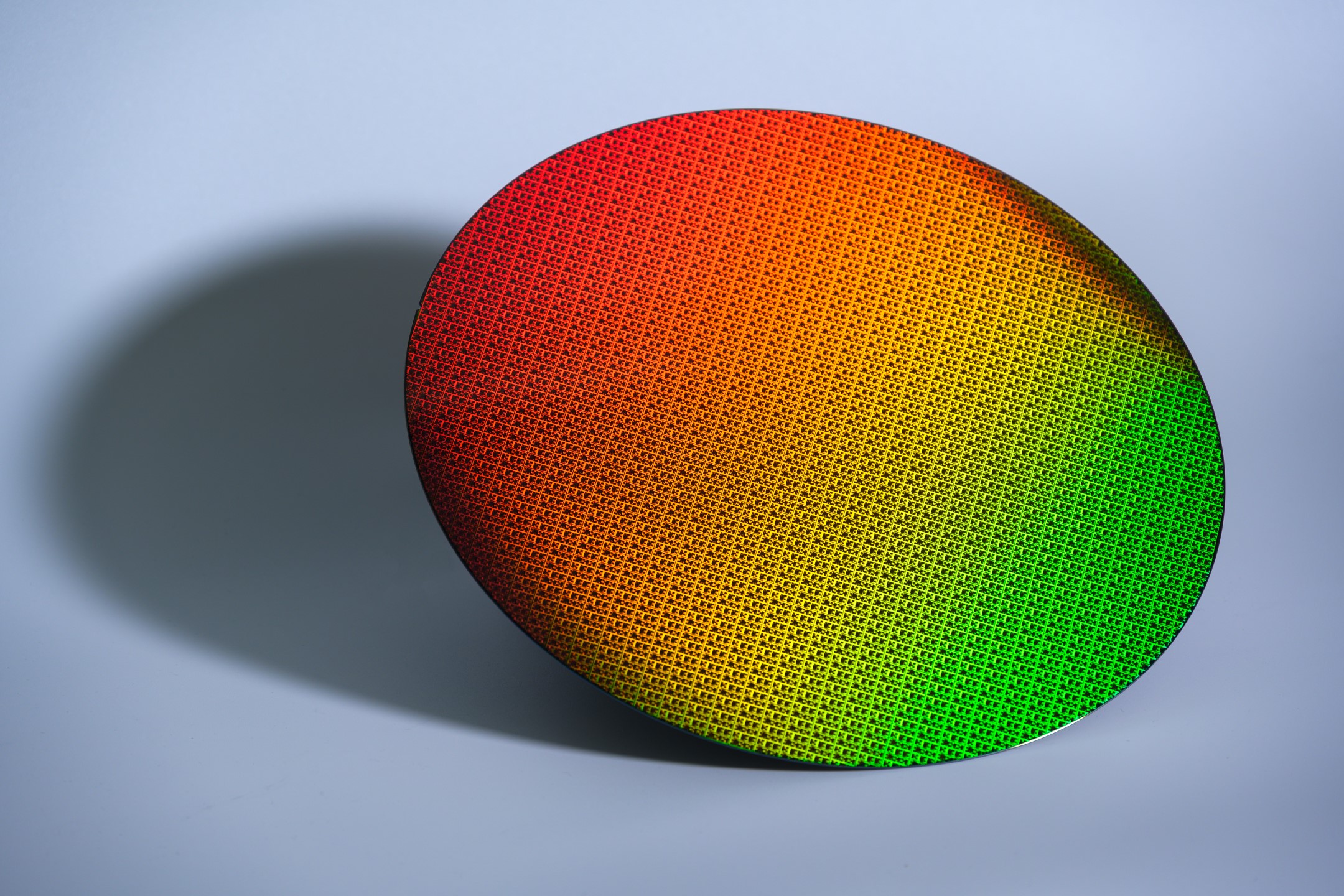
The semiconductor industry is buzzing with the news that major players like NVIDIA and Broadcom are exploring Intel’s groundbreaking 18A manufacturing process. This move underscores a significant step forward for Intel Foundry Services (IFS), potentially positioning Intel as a leader in the semiconductor field.
According to a report, these tech giants are conducting manufacturing tests with Intel’s 18A process. Should the trials be successful, it could lead to substantial manufacturing contracts worth hundreds of millions of dollars. Notably, AMD is also reportedly interested in Intel’s 18A, though it’s unclear if they have joined the testing phase. The outcome of these tests is crucial, as any future agreements hinge on Intel’s ability to meet the high quality standards of industry titans like NVIDIA and Broadcom.
Intel’s sudden rise in prominence can be partially attributed to the U.S. government’s initiatives aimed at revitalizing the domestic semiconductor industry. As a leading U.S. company in this arena, Intel is a natural focus for these efforts, gaining substantial attention and support to enhance its foundry operations.
However, challenges loom ahead. Intel has delayed the broader production of its 18A process to mid-2026 for small to mid-sized manufacturers, citing the need to ensure the node meets rigorous industry standards before scaling up. Meanwhile, Intel plans to unveil its upcoming Panther Lake SoCs with the 18A process by the second half of 2025, though initially, this technology will not be available to external clients. This delay is noteworthy, especially as competitors like TSMC are expected to have 2nm products available during this period, increasing the competitive pressure on Intel.
The coming years will be a pivotal time for Intel Foundry Services. With interest from major players like NVIDIA potentially sparking wider industry adoption, Intel’s success will depend heavily on the performance of its 18A process in delivering fully integrated chip designs. As the semiconductor landscape evolves, it will be fascinating to see whether Intel can solidify its position and meet the high expectations set by the market.


