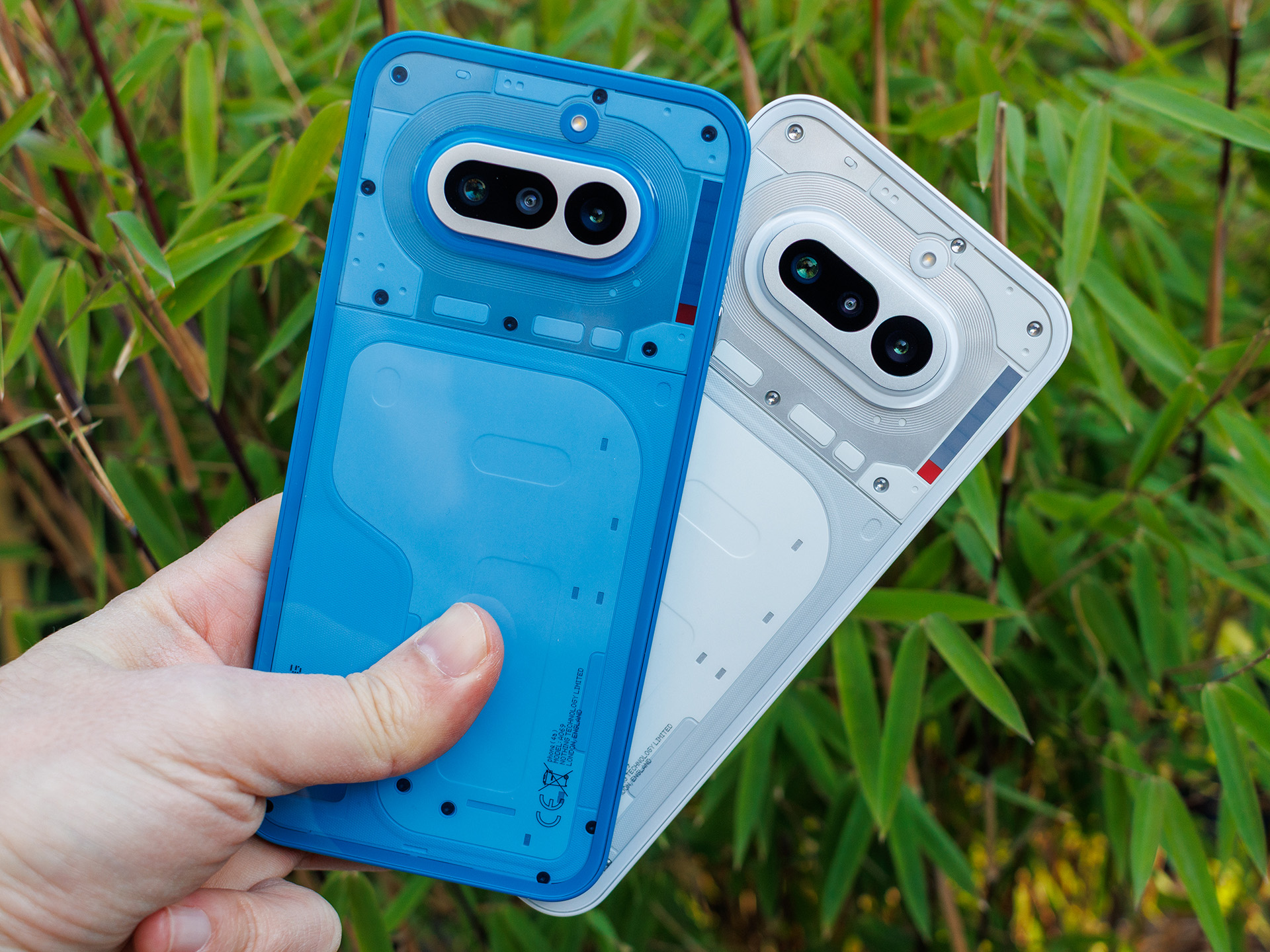
Nothing Phone (4a): A Stylish Mid-Range Phone That Punches Above Its Price
The Nothing Phone (4a) arrives as one of the more interesting mid-range smartphones, refining what worked before while adding meaningful upgrades where they matter most. Instead of simply chasing bigger numbers, Nothing has focused on creating a phone that feels modern, polished, and different from the usual budget-friendly Android crowd.
One of the biggest improvements is the display. The Nothing Phone (4a) features a much brighter 120Hz OLED screen, making everyday use feel smoother and more enjoyable. Whether you are scrolling through social media, watching videos, browsing the web, or gaming casually, the high refresh rate helps the phone feel responsive and premium. The added brightness also makes the screen easier to use outdoors, which is a practical upgrade many users will appreciate.
Performance is another strong point. Powered by the Snapdragon 7s Gen 4 chipset, the Nothing Phone (4a) delivers smooth everyday performance for common tasks such as multitasking, streaming, messaging, and using apps. It may not be designed as a high-end gaming phone, but for most users, it offers more than enough speed and reliability. Apps open quickly, animations feel fluid, and the overall experience is stable.
The camera system is where the Nothing Phone (4a) really starts to stand out from many mid-range competitors. The revamped camera setup produces detailed, natural-looking photos in good lighting, avoiding the overly processed look that often appears on affordable smartphones. Colors appear balanced, sharpness is handled well, and images generally look clean and pleasing.
The standout feature is the new periscope zoom camera. Optical zoom is still uncommon in this price range, and its inclusion gives the Nothing Phone (4a) a clear advantage for users who enjoy mobile photography. Zoom shots are surprisingly strong, offering better detail and clarity than typical digital zoom solutions. This makes the phone more versatile for travel, portraits, street photography, and capturing distant subjects.
Of course, design remains one of Nothing’s biggest strengths. The transparent-inspired back continues to give the phone a unique identity, while the Glyph LED system adds personality and functionality. These lights can be customized for notifications, calls, and other alerts, helping the device stand out in a market where many mid-range phones look almost identical.
Battery life is also impressive in daily use. The Nothing Phone (4a) is built to comfortably last through a normal day for most users, making it dependable for work, entertainment, and communication. Combined with the clean and minimal Nothing OS interface, the phone feels refreshingly simple compared to many Android devices loaded with unnecessary apps and cluttered menus.
Nothing OS is one of the main reasons the Phone (4a) feels more premium than its price may suggest. The interface is clean, fast, and visually consistent. It avoids excessive bloatware and focuses on a smooth user experience. For people who prefer a simple Android phone without too many distractions, this software approach is a major advantage.
However, the Nothing Phone (4a) is not perfect. One of its main weaknesses is the relatively limited software update promise, with only three major Android version upgrades. While this may be enough for many buyers, it falls behind some competitors that offer longer support. Another issue is heat buildup during heavier use. Under demanding workloads, such as extended gaming or intensive multitasking, the device can become noticeably warm.
When compared with the Redmi Note 15 5G, the Nothing Phone (4a) feels more refined and premium. Redmi’s device is likely to appeal to buyers who want strong value, a large battery, and a bright AMOLED display at an aggressive price. It offers plenty of features for the money and remains a practical choice for budget-conscious users.
Still, the Nothing Phone (4a) has the upper hand in areas that shape the overall user experience. Its camera system is more capable, its software feels cleaner, and its design is far more distinctive. The minimalist interface gives it a more elegant feel, while the transparent styling and Glyph LEDs make it much more recognizable.
The Samsung Galaxy A37 5G takes a different path. Instead of focusing on bold design or unusual features, Samsung aims for balance and long-term reliability. The Galaxy A37 5G offers solid performance, dependable cameras, and a quality Super AMOLED display. It may not feel as visually exciting as the Nothing Phone (4a), but it is built for users who want a safe, familiar, and durable smartphone experience.
Samsung’s biggest advantage is its software support. With longer Android and security update commitments, the Galaxy A37 5G becomes especially appealing for users who plan to keep their phone for several years. If long-term updates are a top priority, Samsung’s mid-range option may be the better choice.
The Nothing Phone (4a), however, is the more exciting device. It combines a bright 120Hz OLED display, smooth Snapdragon performance, a capable camera system with optical zoom, strong battery life, and one of the most distinctive designs in the mid-range market. It is not just another affordable Android phone; it feels like a device with personality.
For users who want a stylish mid-range smartphone with clean software, strong cameras, and a premium feel, the Nothing Phone (4a) is an excellent choice. It may not offer the longest software support, and it can get warm under pressure, but its strengths easily make it one of the most attractive options in its category.